


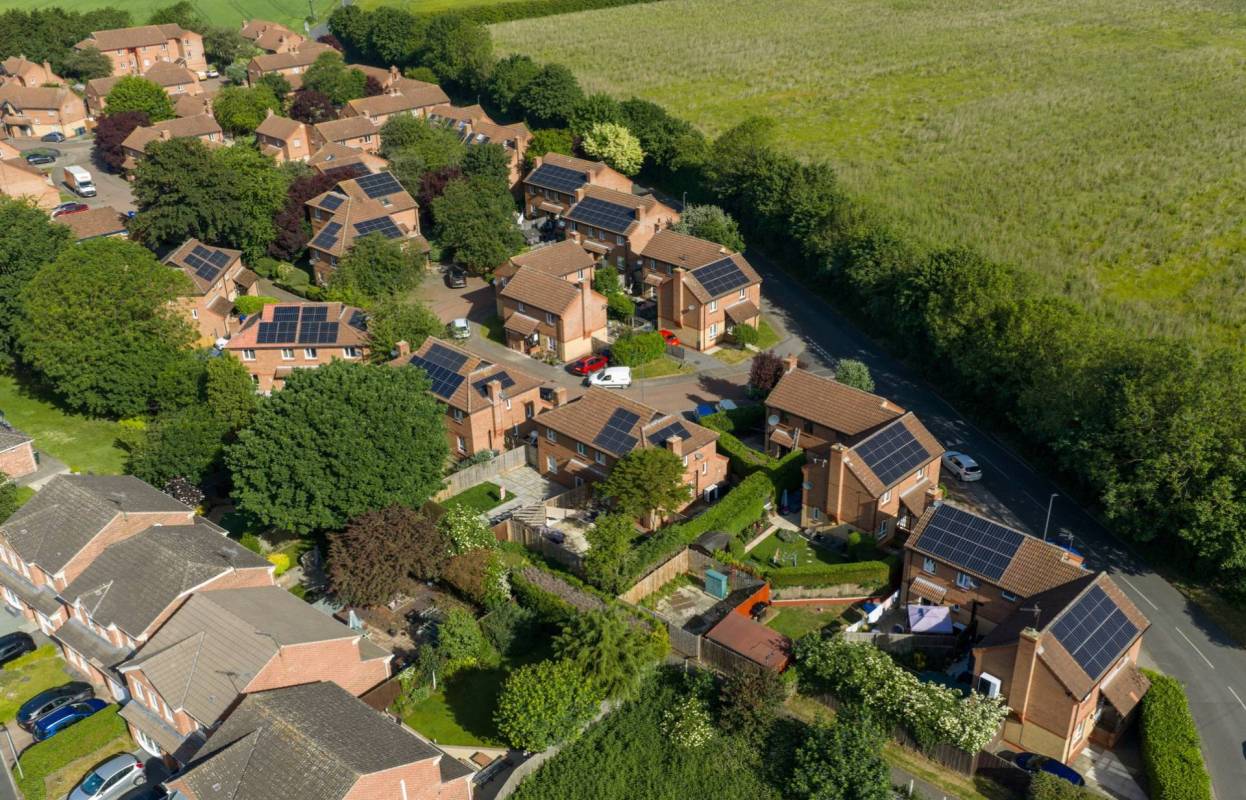
The residential solar market was bracing for a sharp hit after the 30% federal tax credit went away, but that feared downturn has not materialized.
Since the July 4 cutoff, demand for rooftop panels and home batteries is steadier than many expected.
For some homeowners, the stronger motivation seems to be backup power rather than the tax break.
What happened?
The One Big Beautiful Bill Act eliminated several clean energy incentives, including the $7,500 federal electric vehicle tax credit and the 30% solar tax credit, Electrek said.
July 4 was also the last day homeowners could "safe harbor" a new solar project and still qualify for the solar credit.
Even so, the early numbers do not point to the kind of collapse some in the industry had feared.
TCD Picks » Quince Spotlight
💡These best-sellers from Quince deliver affordable, sustainable luxury for all




The Solar Energy Industries Association and Wood Mackenzie forecast a residential solar market decline of 18-21% rather than a complete breakdown.
That is still a notable setback. But it also suggests many households are continuing to consider solar even without the federal incentive and that some buyers may not have been depending on the credit to begin with.
Rather than focusing on lower utility bills or climate concerns, homeowners appear to be viewing solar as a way to maintain power during outages and reduce reliance on an increasingly stressed grid.
Why does it matter?
Solar panels paired with battery storage can do more than reduce monthly electric bills — they can also keep critical appliances running during storms, blackouts, and periods of grid strain.
Battery storage was included with as many as 45% of new solar installs in 2025, versus about 6% in 2020. That marks a sharp increase and points to a market that is more focused on resilience.
As electricity prices rise and severe weather becomes more disruptive, the appeal is fairly simple: more control over household energy costs and a better chance of staying powered when the grid goes down.
There are environmental upsides as well. When households generate and store their own electricity, they reduce demand for power produced from dirty energy sources while easing strain on the grid.
What can I do?
The value of the systems did not vanish with the tax credit. It may still make financial sense depending on your roof, utility rates, state policies, battery options, and whether backup power is a priority.
Because tax law and energy incentives can be complicated, it is advisable to speak with a qualified installer and review the details with an accountant or tax professional. Doing so can separate real savings from marketing promises and clarify whether a purchase, lease, or power purchase agreement makes the most sense. Notably, leasing and PPA options are still eligible for tax incentives from any companies that used the law to pay for part of projects ahead of time, so those setups are more attractive than they otherwise might be.
If you want to compare options, EnergySage offers free tools that let you curate competitive bids from local installers without their obtaining your contact information unless you choose to work with one. That can make it easier to compare pricing, equipment, and financing before committing.
Pairing solar with batteries, and even an EV, can expand those benefits.
Jim Reilly, a GM Defense employee and microgrid expert, wrote about his setup on LinkedIn, as Electrek noted. "This is energy dominance," he said. "I own the refinery and the delivery system. While the world reacts to the price at the pump, my costs are a flat line."
As Electrek reader Craig Merrow put it, "A great feeling to be energy independent!"

Get TCD's free newsletters for easy tips, smart advice, and a chance to earn $5,000 toward home upgrades. To see more stories like this one, change your Google preferences here.






