


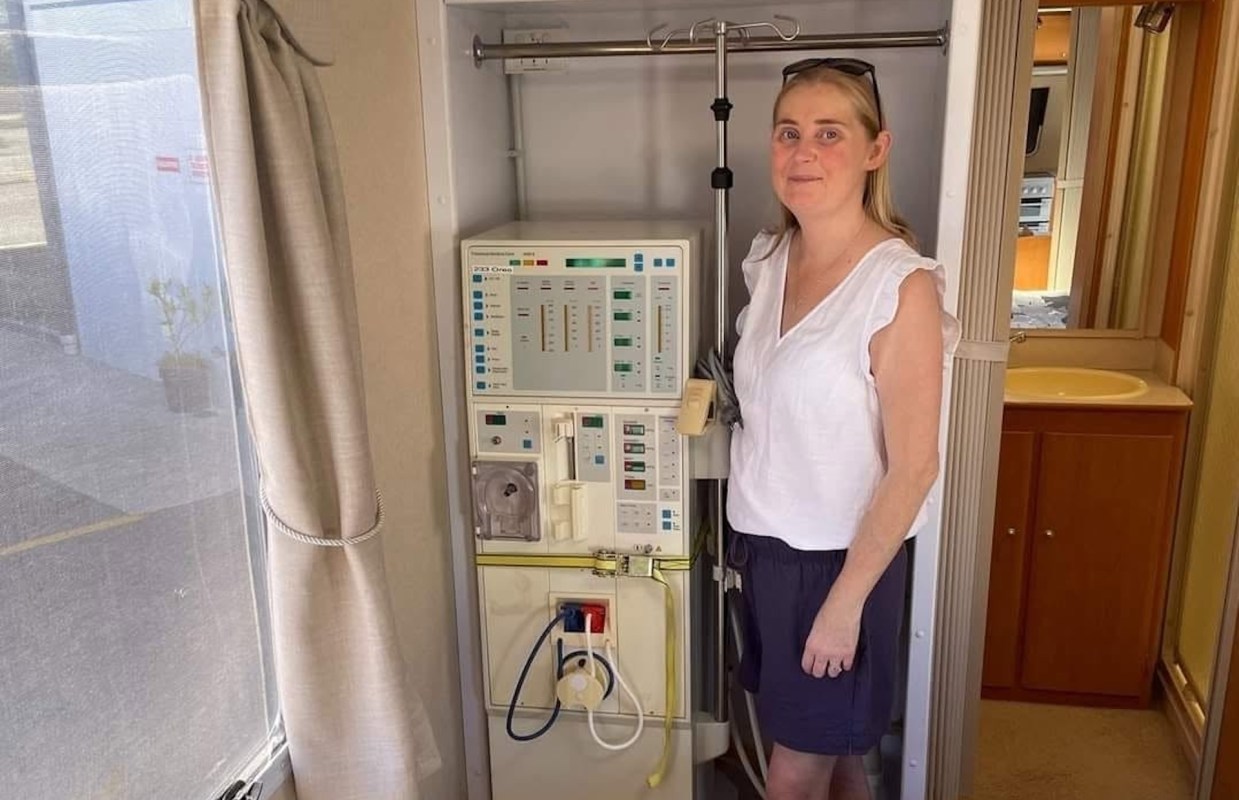
A New Zealand District Council agreed to cut a quarterly water charge of more than $600 in half after Christchurch home dialysis patient Claire Christie spent months challenging the cost.
Here's what to know
According to 1News, moving to a home outside Christchurch put Christie's family on Selwyn District Council's separate water charging system instead of having water costs folded into rates. Christie, whose kidneys failed when she was 17, now uses a haemodialysis machine at home four times a week, and the treatment uses about 26 gallons (100 liters) of water an hour.
The result was a quarterly bill topping $600. Christie said that felt especially unfair because the water was being used for treatment she had no choice about.
"Your water is separate to your rates out here, so we got a water bill that was quite significantly expensive," she said.
After months of discussions, the family received a 50% reduction. Christie argued to the council that she should not face a financial penalty for treatment she cannot go without, and Selwyn Water said in a statement that its policy covers customers with qualifying medical needs and that her ongoing remission was handled under it.
More background
Kidney Health New Zealand said the issue can affect other dialysis patients too, depending on where they live. The organization's general manager, Madi Keay, said councils charge for water differently, so the cost burden of home treatment isn't shared evenly. She said patients cannot simply cut back on home dialysis to lower their bills.
TCD Picks » Quince Spotlight
💡These best-sellers from Quince deliver affordable, sustainable luxury for all




"It's something that cannot be delayed or shortened," she said, according to 1News. "It's essential to staying alive."
Keay said patients who can no longer afford to dialyze at home could end up needing hospital care, where dialysis units are already "incredibly overstretched."
What's being done?
Selwyn Water said Christie's relief came through its waivers and remissions policy for customers with qualifying medical needs. 1News noted that the council ultimately acknowledged the issue, saying, "We apologize to Claire for the delay."
Instead of accepting the charge, she phoned the council to explain that her water use was medically unavoidable.
"I rang them and I said, look, it's not fair that I am medically dependent on water," Christie said. "I cannot help it because this machine uses 100 liters every hour."
Keay said water charging differs by council, suggesting Christie's case may not be isolated. Medical remission or waiver policies could help protect patients while easing pressure on hospital dialysis services.
"It's not an exaggeration to say it's a life-saving treatment," Christie said. "If it wasn't for this, there's a good chance that I would have died in a week."

Get TCD's free newsletters for easy tips, smart advice, and a chance to earn $5,000 toward home upgrades. To see more stories like this one, change your Google preferences here.






