


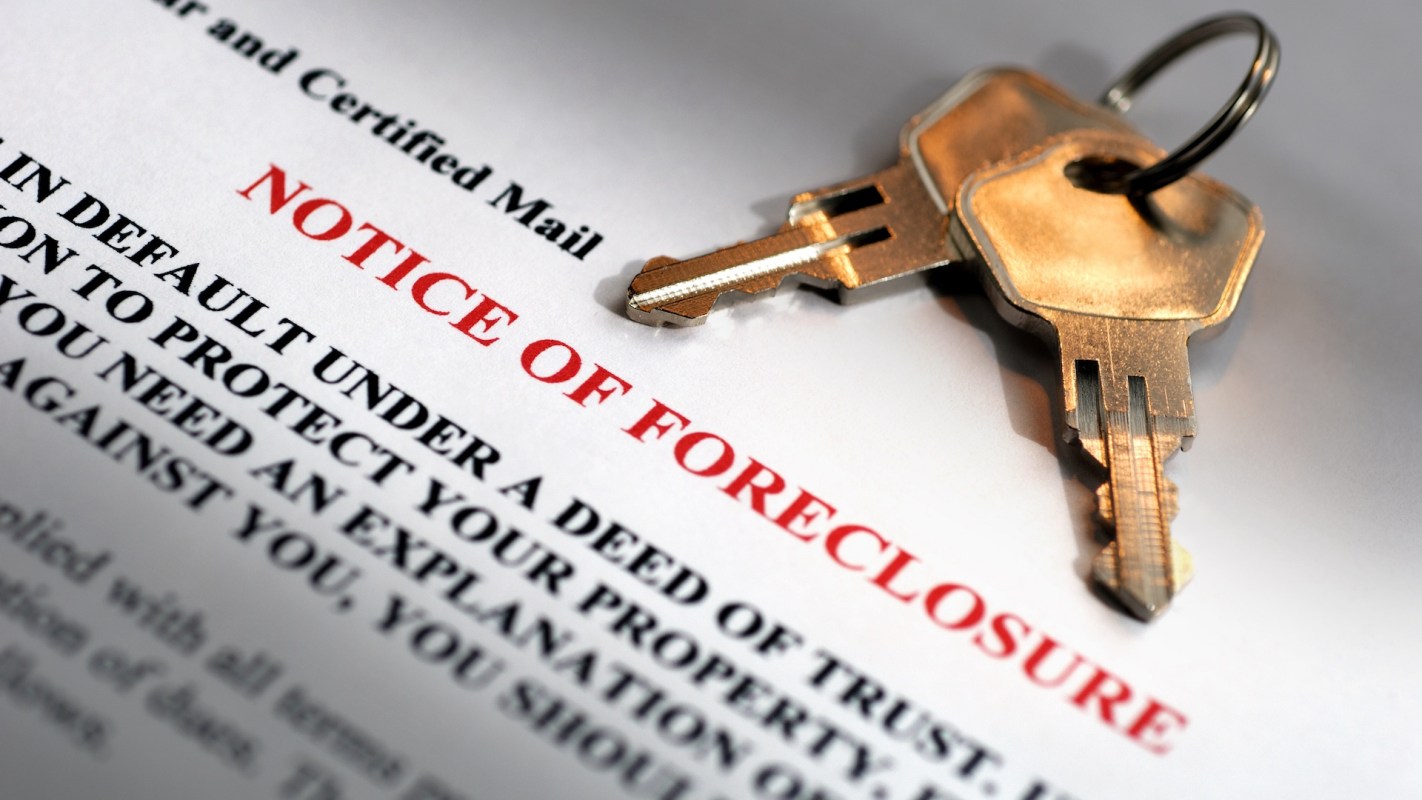
Homeowners associations across the U.S. are ramping up collection efforts against residents who fall behind on dues, and in more communities, those cases are ending in foreclosure.
The shift comes as many associations face budget strain of their own.
What's happening?
Foreclosure is becoming a more common tool for associations trying to stabilize their finances as expenses climb. As Fox Business reported, the pattern is showing up in many types of communities, including condo developments and higher-end neighborhoods.
ATTOM data showed that HOA foreclosure activity rose by nearly 40%, increasing faster than mortgage foreclosures overall, according to the Wall Street Journal.
In many states, unpaid dues, fees, or fines can result in a lien, which is a legal claim that may later lead to foreclosure. Using Benutech Data Insights records, Fox Business reported that HOAs recorded 284,933 homeowner liens in 2025 — about one every 90 seconds — up 8.6% from 2024.
Many boards are also facing weak reserve funding. A 2025 Reserve Study report found 74% of association-governed communities were below the 70%-funded level, indicating that many may lack enough reserves for major projects and expected repairs.
TCD Picks » Quince Spotlight
💡These best-sellers from Quince deliver affordable, sustainable luxury for all




As Brian Fox, co-founder of real estate technology firm Benutech, told WSJ, "HOAs are being forced into more aggressive collections to avoid their own financial collapse."
Why does it matter?
Because HOA dues cover shared costs such as insurance, maintenance, landscaping, repairs, and other services, widespread nonpayment can create financial strain for an entire community, not just the households that are behind.
Insurance is one of the major pressures on association budgets. Citing the Foundation for Community Association Research, Fox Business reported that 93% of surveyed associations said property and casualty insurance premiums had increased. More than half reported hikes of 11% to 25%, and about 10% said premiums had more than doubled.
What can I do?
Homeowners in HOA-governed communities can review their governing documents and check whether their state places limits on what associations can do.
If dues become difficult to manage, it may help to contact the association early, ask about repayment options, and request a detailed breakdown of charges before a delinquency escalates into legal action. Attending board meetings and monitoring reserve-fund decisions can also give residents more warning when budgets are tightening.
Boards also have options. Clearer budgeting, stronger reserve planning, and faster communication with residents may help reduce the risk that unpaid dues spiral into lawsuits or foreclosure filings.

Get TCD's free newsletters for easy tips, smart advice, and a chance to earn $5,000 toward home upgrades. To see more stories like this one, change your Google preferences here.






