


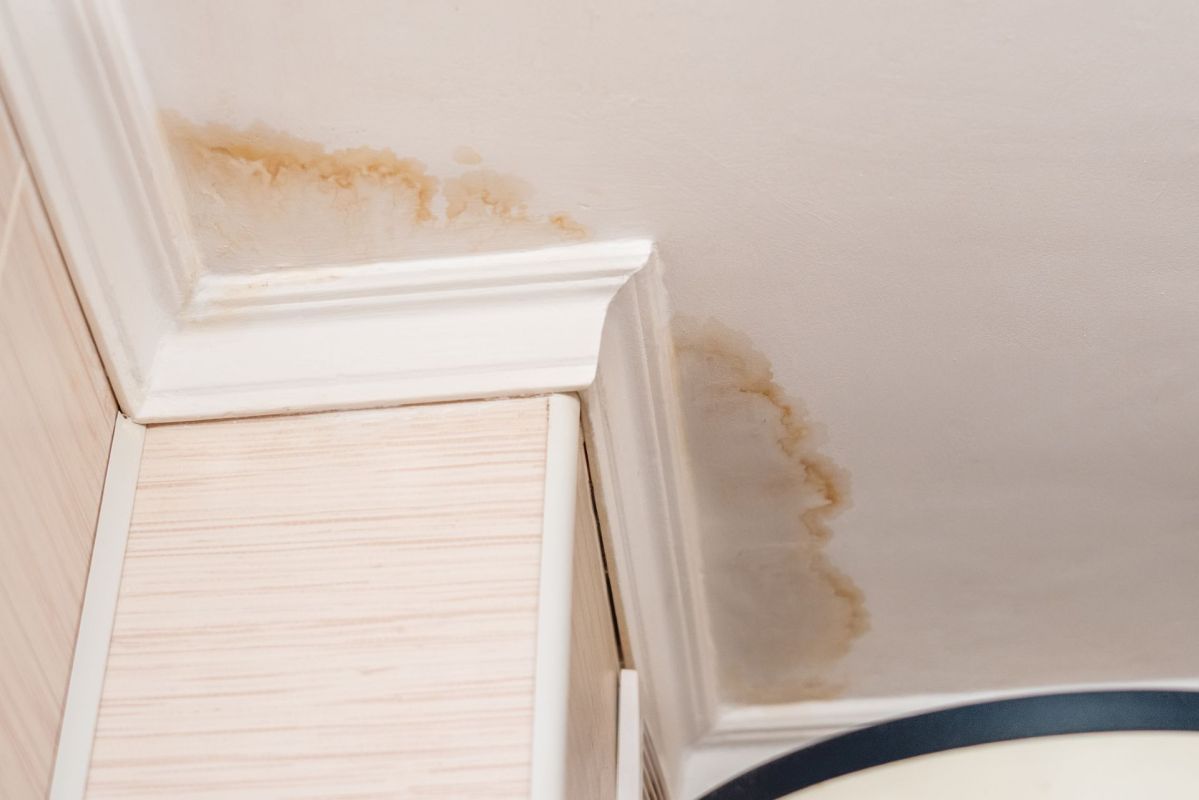
A home maintenance issue should not ordinarily end with someone losing their property.
But a dispute that reportedly began with a leak shows how quickly a fight with an HOA or condo association can spiral once fees, legal bills, and foreclosure powers enter the picture, as a Baltimore Sun article recently showed.
What happened?
Fees, assessments, and legal costs can mount quickly during fights with condo or HOA boards, sometimes putting a person's home at risk.
The Baltimore Sun reported on one homeowner whose dispute with an association board developed into precisely that kind of financial crisis.
Aaron Davis purchased his condo in 2021 for a reasonable $130,000, the paper reported, only to have it sold out from under him for $10,000 amid a repair-related dispute.
A disagreement over maintenance, who is responsible, or how rules are enforced may start out small and still turn into a financial crisis before long.
TCD Picks » Quince Spotlight
💡These best-sellers from Quince deliver affordable, sustainable luxury for all




Because HOA and condo boards often have substantial power to enforce rules and collect money they say is owed — including through liens or foreclosure — an otherwise ordinary housing problem can become far more serious once penalties and attorneys' fees are added.
Davis, who filed for bankruptcy during the matter as a "last resort," described being legally outmaneuvered by his condo board.
"My issues ultimately stemmed from [management] putting a hole in my ceiling, and it snowballed. The bankruptcy was meant to address whatever liens I had on my property and their validity. I honestly felt betrayed," he explained.
Why does it matter?
A home is often a family's biggest source of both savings and stability.
When HOA or condo disputes bring rising charges, the issue can shift from a single repair to whether the homeowner can keep living on the property.
These conflicts can also discourage practical, money-saving home improvements.
Across the country, HOAs have drawn criticism for blocking upgrades such as rooftop solar panels or replacing water-intensive grass with native plant lawns — changes that can cut utility bills, reduce water use, and make homes more resilient.
What can I do?
If you live in an HOA- or condo-governed community, the first step is to understand exactly what your governing documents allow.
That includes repair responsibilities, assessment rules, dispute procedures, and whether the board can pass legal costs back to owners.
For larger changes, homeowners can work together to push for clearer bylaws, better mediation options, and rules that do not punish residents for trying to protect or improve their property.
If you are trying to navigate board restrictions on clean-energy or low-water upgrades, TCD's resource for working with HOAs offers practical tips for changing bylaws and building support.
After an association dispute becomes a legal fight, the initial problem may no longer be the main issue — the bigger risk can be damage to a homeowner's finances, equity, and housing security.

Get TCD's free newsletters for easy tips, smart advice, and a chance to earn $5,000 toward home upgrades. To see more stories like this one, change your Google preferences here.






