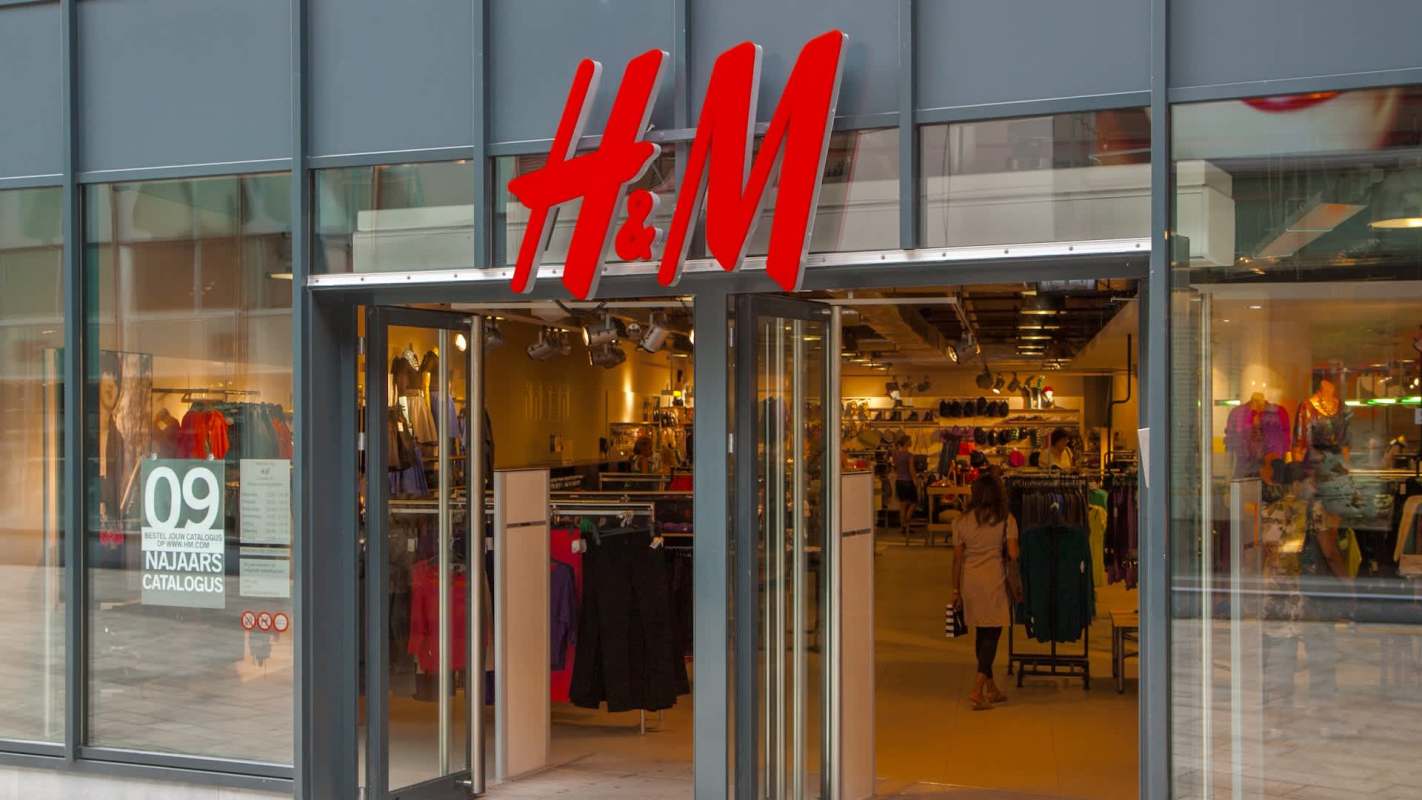
A shopper's frustration over an H&M miniskirt quickly turned into a conversation about what clothing should cost and whether certain pieces should even be sold.
What happened?
The garment drew criticism on an anticonsumption forum after a user highlighted its €50 ($57) price and said the garment was made entirely from synthetic fibers, with 42% of it coming from recycled polyester.
"I really like this skirt but I can't possibly support something like this," the poster wrote, adding, "This should be 15 bucks at most."
While the miniskirt's price tag was a point of discussion for some, others were more focused on the real problem of another piece of plastic-based fast fashion.
Some even said the high cost might suggest that it wasn't made by people in unsafe and exploitative working conditions.
"It shouldn't be cheaper, it shouldn't be sold," one commenter wrote.
TCD Picks » Quince Spotlight
💡These best-sellers from Quince deliver affordable, sustainable luxury for all




Why does it matter?
The exchange reflects growing frustration with fast fashion brands selling petroleum-based clothing at prices that can still feel premium. That can mean spending more on garments that may not last, wasting consumers' money and eventually adding more plastic to landfills.
Commenters also pointed to the labor side of the issue, as more shoppers question not just how much an item costs, but what that price actually represents.
"Clothes are only cheap because we outsource the work to people we can exploit," one user wrote, arguing that ultra-low prices often depend on workers being underpaid somewhere along the supply chain.
The same person added in another comment that "price is not an indicator of quality," cautioning that a higher price tag does not automatically translate to better labor practices.
What can I do?
Repeated suggestions included buying less, mending clothes already in use, shopping secondhand, and seeking transparency through goods or brands that share sourcing details.
One commenter suggested that "looking for union made is one good start."
Some commenters saw the issue as one of reducing harm rather than finding a flawless solution.

Get TCD's free newsletters for easy tips, smart advice, and a chance to earn $5,000 toward home upgrades. To see more stories like this one, change your Google preferences here.