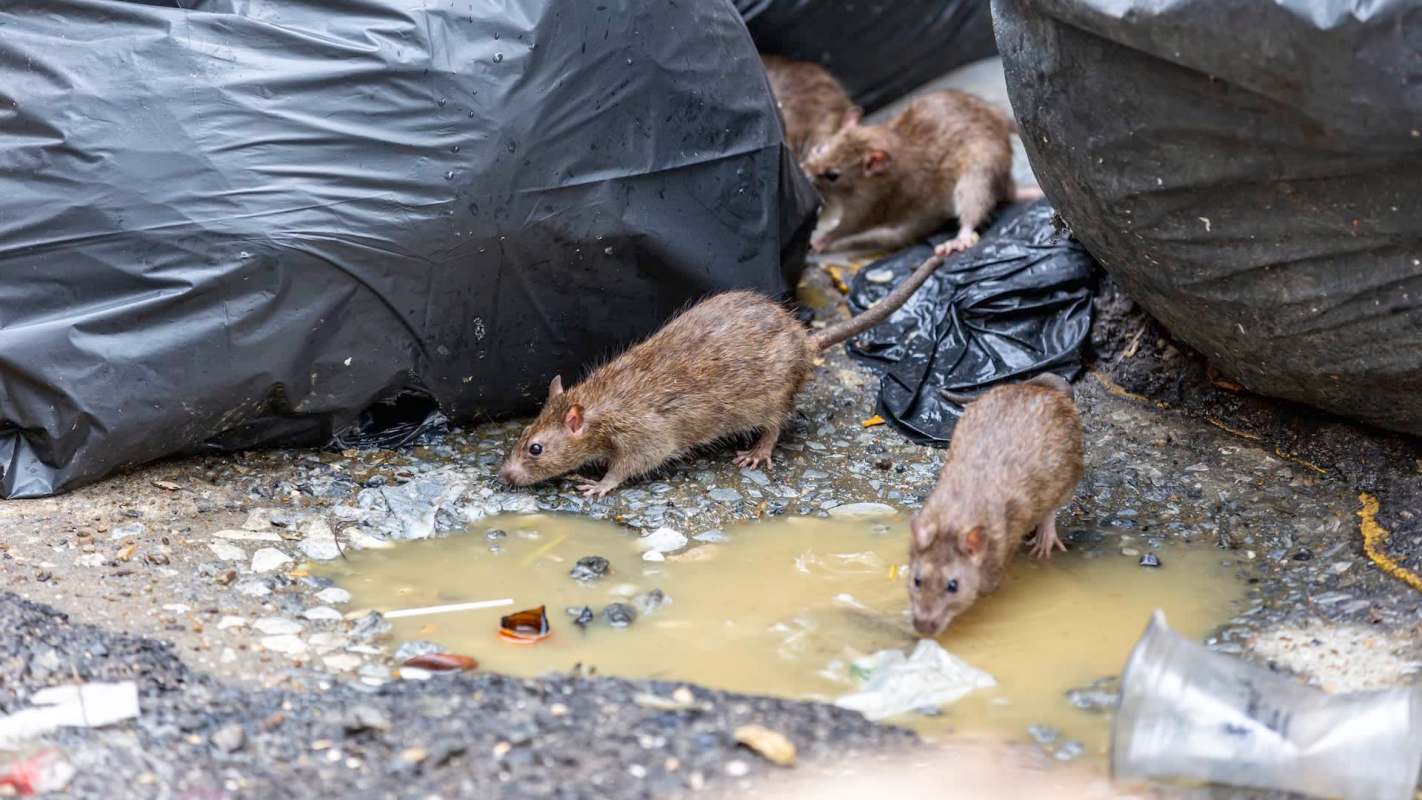
Havana residents are caught in a dire predicament: Endure mounting piles of decaying trash or breathe toxic smoke from burning garbage.
As fuel shortages continue to disrupt waste collection across Cuba's capital, refuse is piling up in neighborhoods, attracting flies and rats while sending smoke into homes, schools, and businesses.
The crisis has intensified as the U.S. oil blockade on Cuba enters its fourth month, sharply reducing the island's fuel supply and leaving fewer than half of Havana's garbage trucks operational, according to The Guardian.
In response, authorities have scaled back pickups, established temporary dump sites, and allowed some waste to be burned in densely populated areas.
As a result, ordinary neighborhoods have become informal dumping grounds.
Trash that was once collected weekly is now sometimes left for an entire month, prompting many residents to discard household waste outside rather than storing it indoors.
TCD Picks » Quince Spotlight
💡These best-sellers from Quince deliver affordable, sustainable luxury for all




"Since there is no proper oversight and no collection, the result is an epidemic of flies, rats, waste, and foul odours," resident Francisco Castillo said, per The Guardian.
Havana authorities have set up 122 temporary waste sites, including 24 using what officials describe as "controlled incineration." Officials say the measures help address sanitation concerns despite their environmental drawbacks.
However, residents and experts caution that the strategy is creating new health risks.
The state-run Cuban Neuroscience Center warned that burning trash in the open can release harmful substances and create new toxic compounds as materials break down in flames. Some pollutants may linger in the environment for years — and even longer in the human body.
For residents, the consequences are immediate. Smoke exposure can worsen respiratory problems, while uncollected garbage attracts insects and rodents capable of spreading disease. Additionally, even short-term exposure to particulate matter air pollution harms brain function.
An anonymous doctor told The Guardian hospitals are seeing rising cases of hygiene-related illnesses, gastrointestinal problems, and hepatitis, particularly among children.
"It is harder to keep an eye on kids — everything they put in their mouths, their tendency to wander off, and everything they eat while in the street," they said.
At the same time, stagnant water trapped in discarded plastic is creating breeding grounds for Aedes aegypti mosquitoes, which have already contributed to a recent chikungunya outbreak on the island.
"I was bitten by the chikungunya mosquito, and I was really, really sick for a few days," Castillo said, describing pain so severe he could not walk.
The threat could worsen as Cuba enters its rainy season, which runs from May through November.
Officials are attempting to respond. In March, the government launched Cuba Recycles, a yearlong campaign to raise recycling awareness and expand collection points for recyclable waste.
By recycling, residents can help protect community health, reduce waste, and conserve resources.
Still, most of Havana's garbage ends up at El Bote del 100, a massive landfill holding an estimated 1.8 billion cubic feet of waste. Nearby communities have reported smoke and foul odors.

Get TCD's free newsletters for easy tips, smart advice, and a chance to earn $5,000 toward home upgrades. To see more stories like this one, change your Google preferences here.