


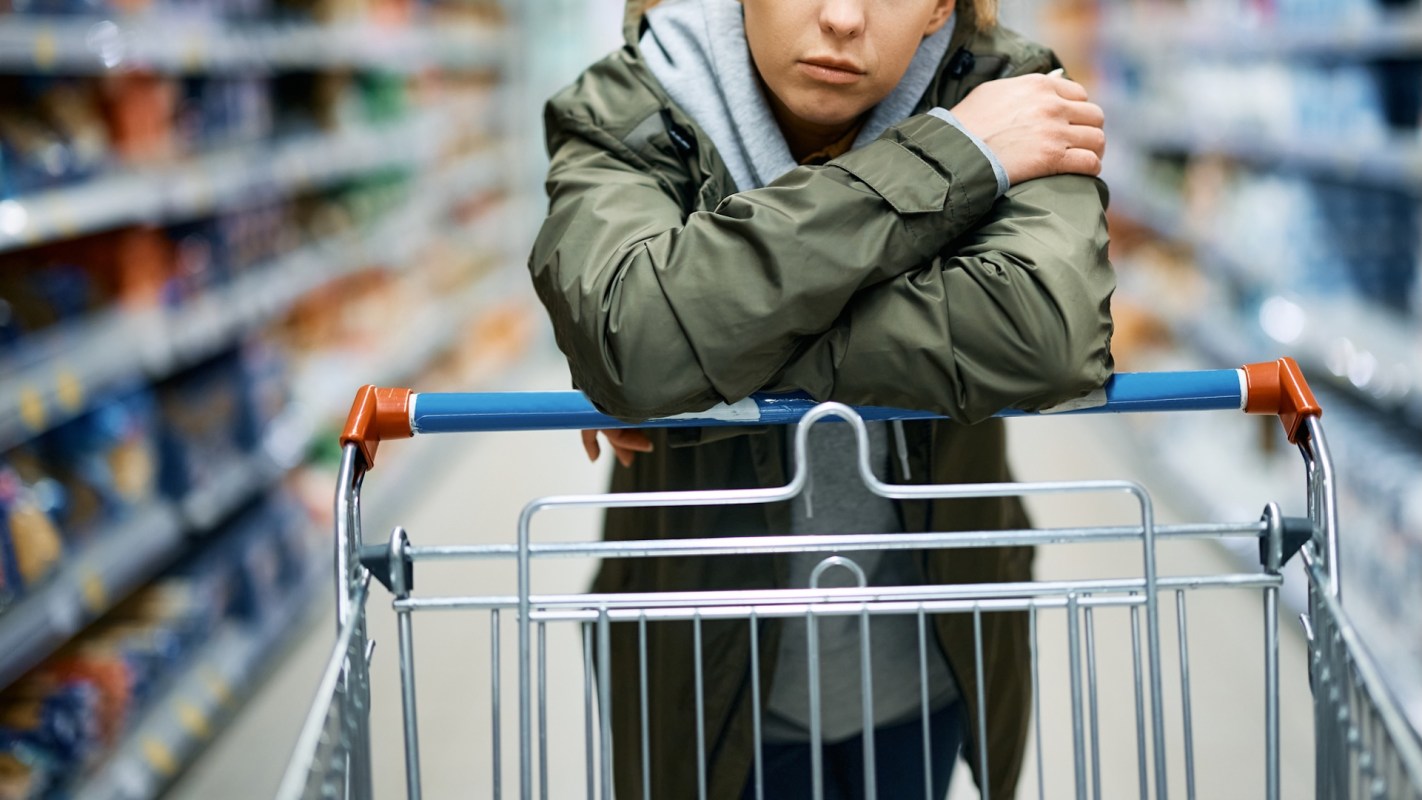
Food producers, transporters, and retailers face pressure from high diesel costs and an incoming El Niño weather pattern. For shoppers in the United States, that could translate into faster-than-average grocery price increases into early 2027.
Here's what to know
Ricky Volpe, an agribusiness professor at California Polytechnic State University, outlined the outlook during an FMI — The Food Industry Association briefing, according to Grocery Dive.
The approaching El Niño is forecast to be particularly strong, adding to Volpe's concerns about persistently high energy costs.
"There's not a whole lot that's moving in the right direction in terms of keeping food prices flat or down right now … it would surprise me to see food prices go flat or trend down in the next four or five months," he said.
More background
Unusually heavy rainfall in major palm oil-producing regions during El Niño could push up the ingredient's price, Volpe said. Palm oil is used in baked goods and cereals.
Volpe's weather-related concerns also extend to rice, cocoa, and coffee, which could become more expensive, Grocery Dive reported.
TCD Picks » Quince Spotlight
💡These best-sellers from Quince deliver affordable, sustainable luxury for all




The warning follows an uneven year for grocery inflation. The U.S. Bureau of Labor Statistics reported that grocery prices fluctuated from month to month in 2026, with the latest monthly increase marking the fastest since April.
Despite this, survey data from FMI showed that many shoppers still feel they can manage food expenditures. In a trade group polled for its latest Grocery Shopper Trends report, 62% said their income is not keeping up with inflation, but more than 70% indicated that they are "doing OK so long as they stick to their budget," Steve Markenson, vice president of research and insights for FMI, said during the briefing.
What can be done?
One indicator Volpe cited was the Producer Price Index, a gauge of wholesale prices that can offer clues about where retail prices are headed, according to Grocery Dive.
The index has been rising as transportation, commodities, energy, and storage costs rise. Businesses face these costs before food ever reaches supermarket shelves.
As Grocery Dive noted, global supplies and prices influence U.S. food prices. That connection holds even for goods such as rice, despite substantial American production.
"Whether the United States is a net importer or exporter, global variations in availability and prices are going to hit the domestic prices," Volpe said, according to the outlet.
"We're seeing concerns, a little angst in terms of the shopper," Markenson said. "But shoppers do feel that they do have a sense of control and they're navigating the environment that they're working in."

Get TCD's free newsletters for easy tips, smart advice, and a chance to earn $5,000 toward home upgrades. To see more stories like this one, change your Google preferences here.






