Revisiting an old bargain-food plan can show how uneven supermarket inflation can be.
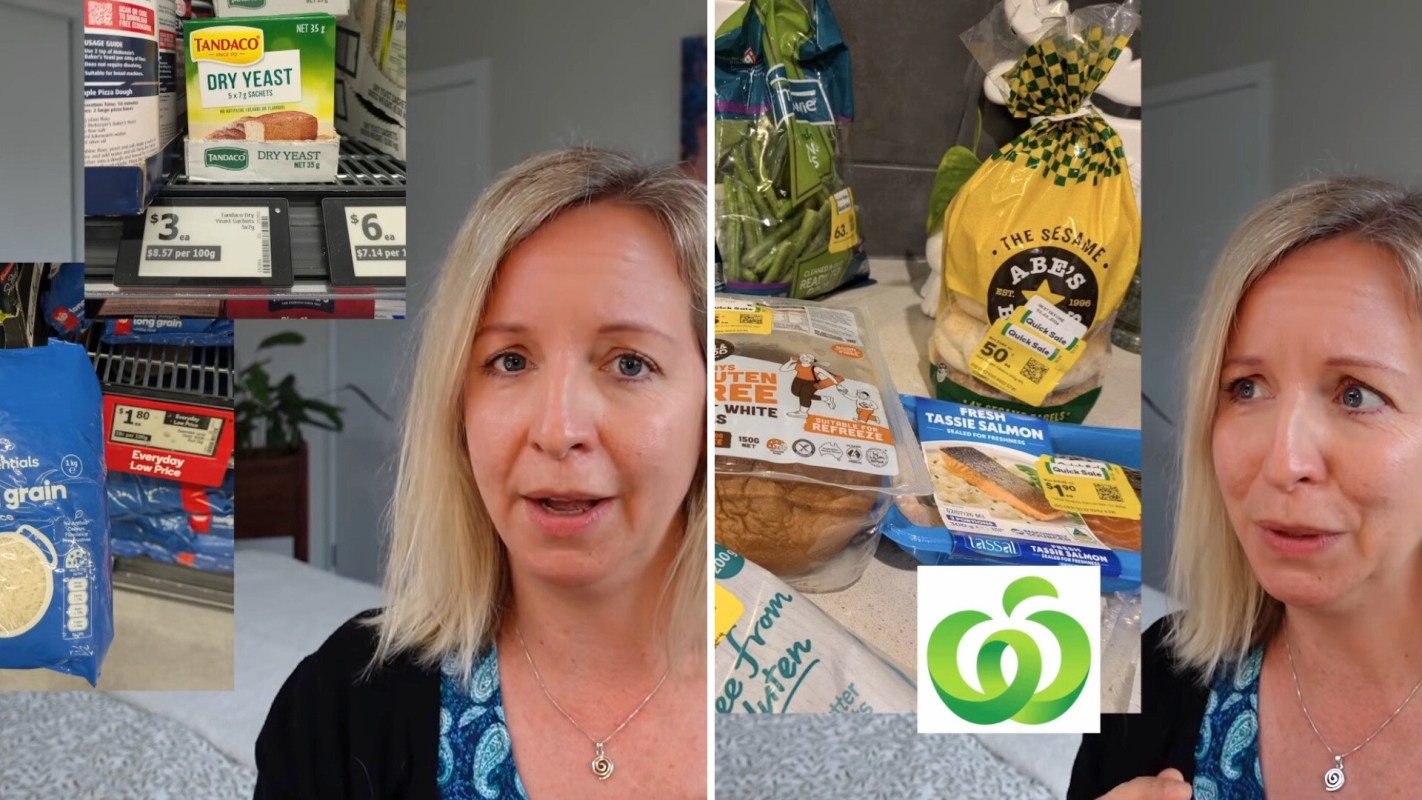
When a budget-meal creator from Australia repeated a 22-item shop from a seven-day, $5-a-day challenge, the new total was notably higher than before.
Here's what to know
In a YouTube video from Simple Meal Plan & Prep with Emmy (@SimpleMealPlanPrep), the July 2025 basket was bought again in September 2026 as a 22-item comparison. The shop, described in the source as mainly Woolworths plus one ALDI purchase, came to AU$45.50 (US$31.87) instead of AU$43.44 (US$30.34) — a rise of AU$2.06 (US$1.44), or 4.53%.
That means the average change across the basket worked out to less than 10 Australian cents per item, even though the price shifts were far from evenly spread.
The price changes were uneven: some items were cheaper than before, most moved up only a little, and bananas were the main outlier, up 42%.
Budget pressure can come from a single volatile item, even if nearly everything else in the cart is relatively steady.
TCD Picks » Quince Spotlight
💡These best-sellers from Quince deliver affordable, sustainable luxury for all




More background
This kind of receipts-based comparison is not the same as an official inflation report, but it does offer a practical snapshot of what shoppers may experience in real stores.
Grocery inflation rarely affects every category the same way. Shelf-stable basics and packaged goods may move only slightly, while fresh produce can fluctuate much more from one period to another.
In a low-cost meal plan, an increase of just over $2 has to be absorbed elsewhere.
Ultra-low-cost meal challenges leave little room for price swings. If one or two key items rise sharply, the limited wiggle room in a $5-a-day plan can disappear quickly.
What can be done?
Focusing on where the biggest jumps are happening can protect a budget more effectively than reworking an entire shopping list.
That could mean choosing fruit based on weekly specials, buying frozen alternatives when produce prices spike, or planning meals around whichever staple is cheapest at the time. Flexibility is often more valuable than sticking rigidly to one exact list.
It can also help to save old receipts, shopping lists, or screenshots of online carts. Comparing the same basket over time offers a clearer picture of personal grocery inflation than relying on memory alone.
The overall rise was just AU$2.06, but a 42% increase in bananas highlights how one common grocery line can upset a carefully planned food budget.
Where can I learn more?
Grocery price pressures are showing up worldwide, from rising banana costs to weather-related strain on produce and staples.
• Across grocery aisles, rising banana prices have become a visible warning of climate strain.
• A European Central Bank study pointed to overlooked drivers behind food inflation.
• Wildfire smoke is raising grocery costs by stressing crops and livestock before harvest.

Get TCD's free newsletters for easy tips, smart advice, and a chance to earn $5,000 toward home upgrades. To see more stories like this one, change your Google preferences here.