


For thousands of people in the Netherlands hoping to install cleaner home technology, grid congestion is becoming an increasingly serious obstacle.
According to pv magazine, two of the country's biggest grid operators are now warning customers that getting a new or heavier electricity connection could take longer than expected — and that many households may not need an upgrade at all.
Liander, the Netherlands' largest distribution system operator, said about 7,300 customers are facing extended waits when trying to switch from a smaller existing hookup to a larger connection.
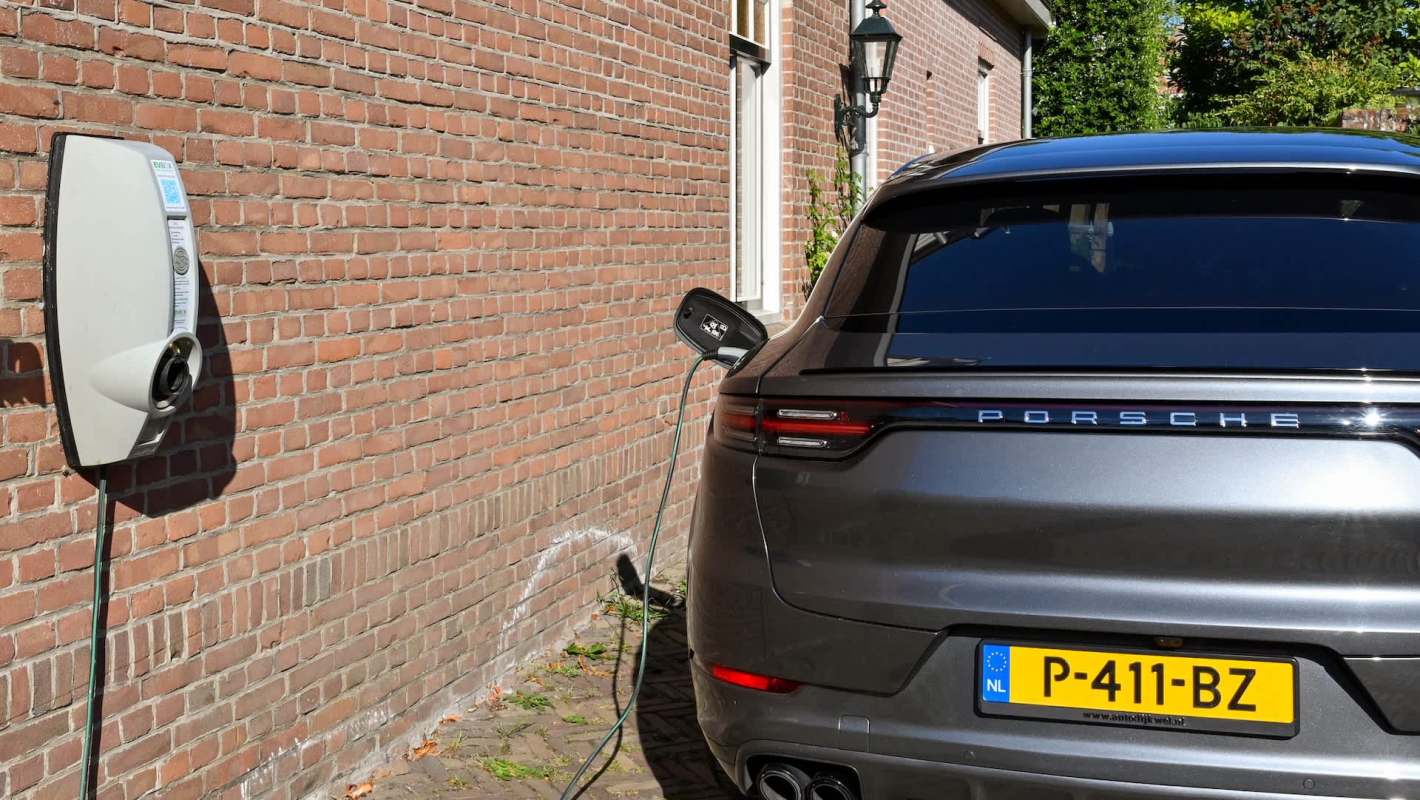
That could affect households and small businesses planning to install a heat pump, an EV charging station, or other electric upgrades.
Liander chief operations officer Sarike van Wette said some of those requests may be unnecessary, because a typical household connection can usually handle a compact hybrid heat pump, a dozen solar panels, one-phase electric cooking, and regular appliances.
She urged customers to check with an installer before assuming extra capacity is required.
TCD Picks » Quince Spotlight
💡These best-sellers from Quince deliver affordable, sustainable luxury for all




Enexis, another major Dutch grid operator, is making a similar appeal.
CEO Rutger van der Leeuw said in March that Enexis had invested €1.9 billion in the network and created 542 megawatts of extra flexible capacity through measures such as congestion management and flexibility contracts.
Even so, both operators said customer behavior will play a major role in determining whether the country can reduce pressure on the grid.
Longer waits for a heavier connection can slow renovation plans, delay a move away from gas, or complicate the installation of home EV charging.
Van Wette said Liander is hearing from frustrated customers who do not understand why one street gets access faster than another.
Electrification can help households reduce pollution and often lower energy costs over time, but local infrastructure must be able to support that shift. As a result, even practical, money-saving upgrades such as heat pumps, solar panels, and smart EV charging can run into bottlenecks.
Starting in July 2026, rules from the Authority for Consumers and Markets are expected to prioritize facilities such as care and education for grid access, leaving households and businesses lower on the list in areas already facing constraints.
Grid operators are working to expand capacity, but they are also asking customers to be more flexible in the meantime.
Liander said drivers can ease strain by plugging in EVs overnight and shifting appliance use into daylight hours, when solar production is usually strongest.
Enexis said trials with centrally controlled hybrid heat pumps cut evening peaks by 10% to 25%.
Some solar owners may also receive compensation for briefly curtailing the amount of electricity they feed into the grid during extreme peak periods.
"We realize that waiting for a new or heavier power connection has a major impact on people's daily lives," Van Wette said, per pv magazine. "The answer is that the space on the net differs per neighborhood and even per street. That's why one gets it and the other doesn't. Or one faster than the other."

Get TCD's free newsletters for easy tips, smart advice, and a chance to earn $5,000 toward home upgrades. To see more stories like this one, change your Google preferences here.






