


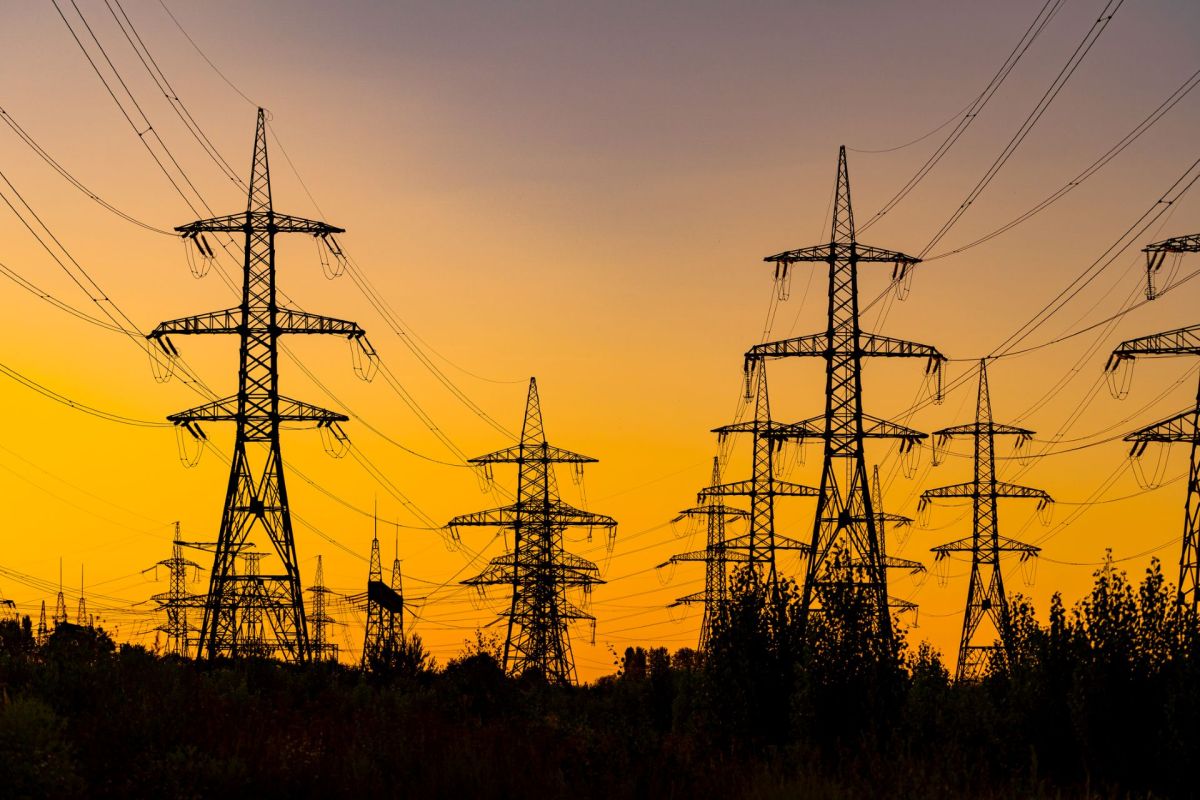
A grid software startup just raised fresh funding as U.S. utilities face a new reality: Surging power demand from electric vehicle charging, data centers, rooftop solar, batteries, and extreme weather is pushing aging systems to their limits.
Grid software startup Texture says its platform can help utilities see those stresses in real time — and respond before they turn into expensive problems.
According to Electrek, Texture recently announced a $12.5 million Series A funding round backed by VoLo Earth Ventures and Equal Ventures, with participation from Lerer Hippeau and Abstract Ventures. The raise brings the company's total funding to about $23 million.
The timing reflects a major shift in how the grid works. Many utility systems were built for one-way electricity flow, but now they need to handle power moving in multiple directions along with demand spikes from EV chargers, utility-scale renewables, rooftop solar, smart thermostats, batteries, and data centers.
Texture's software is designed to pull all of that information into one operating layer, enabling utilities to monitor grid conditions in real time. The company is initially focused on utility cooperatives — a market that, according to Electrek, includes roughly 42 million Americans, many of them in rural communities.
One major pain point is localized load growth from EV charging. Texture says its tools can flag rapid changes in demand at the meter level and show how those changes affect transformers and feeders across the system.
TCD Picks » Quince Spotlight
💡These best-sellers from Quince deliver affordable, sustainable luxury for all




Grid blind spots can mean higher costs, slower infrastructure upgrades, and greater vulnerability during heat waves, storms, or other extreme weather events. Better visibility can help utilities make smarter decisions faster — and potentially avoid unnecessary spending.
That matters because equipment is getting much more expensive. As Electrek notes, transformer costs have risen by as much as 95% since 2019, and lead times for larger units can run beyond two years. If utilities can better predict where strain is building, they may be able to reduce emergency replacements and plan upgrades more efficiently.
The transition to a cleaner economy is creating strong growth opportunities for companies that make energy systems more flexible and resilient. Investors aren't just backing more electricity generation — they're also backing the software needed to manage EVs, batteries, and renewable energy at scale.
That kind of infrastructure is increasingly becoming a smart long-term business bet, with clean-energy-linked sectors driving innovation, jobs, and economic resilience in communities that need reliable power the most.
Texture is already working with Vermont Electric Cooperative, which uses the platform for grid monitoring and to manage hundreds of batteries. Texture also says it has partnered with the National Rural Telecommunications Cooperative, which includes 850 utility co-ops.
That rural focus is especially important. Co-ops often cover wide territories with fewer customers per mile, which can make upgrades more expensive and slower to roll out. Software that helps operators pinpoint system stress could help stretch existing equipment further and improve reliability without relying on costly hardware replacements.
For consumers, this is another sign that cleaner technologies such as EVs, home batteries, smart thermostats, and solar are becoming part of the mainstream grid — not side projects. Tools that help utilities integrate them more smoothly can make adoption easier and reduce friction as more households electrify.
Texture's pitch is that utilities don't need "another disconnected software tool." They need "one real-time view of everything happening on the grid."

Get TCD's free newsletters for easy tips, smart advice, and a chance to earn $5,000 toward home upgrades. To see more stories like this one, change your Google preferences here.






