


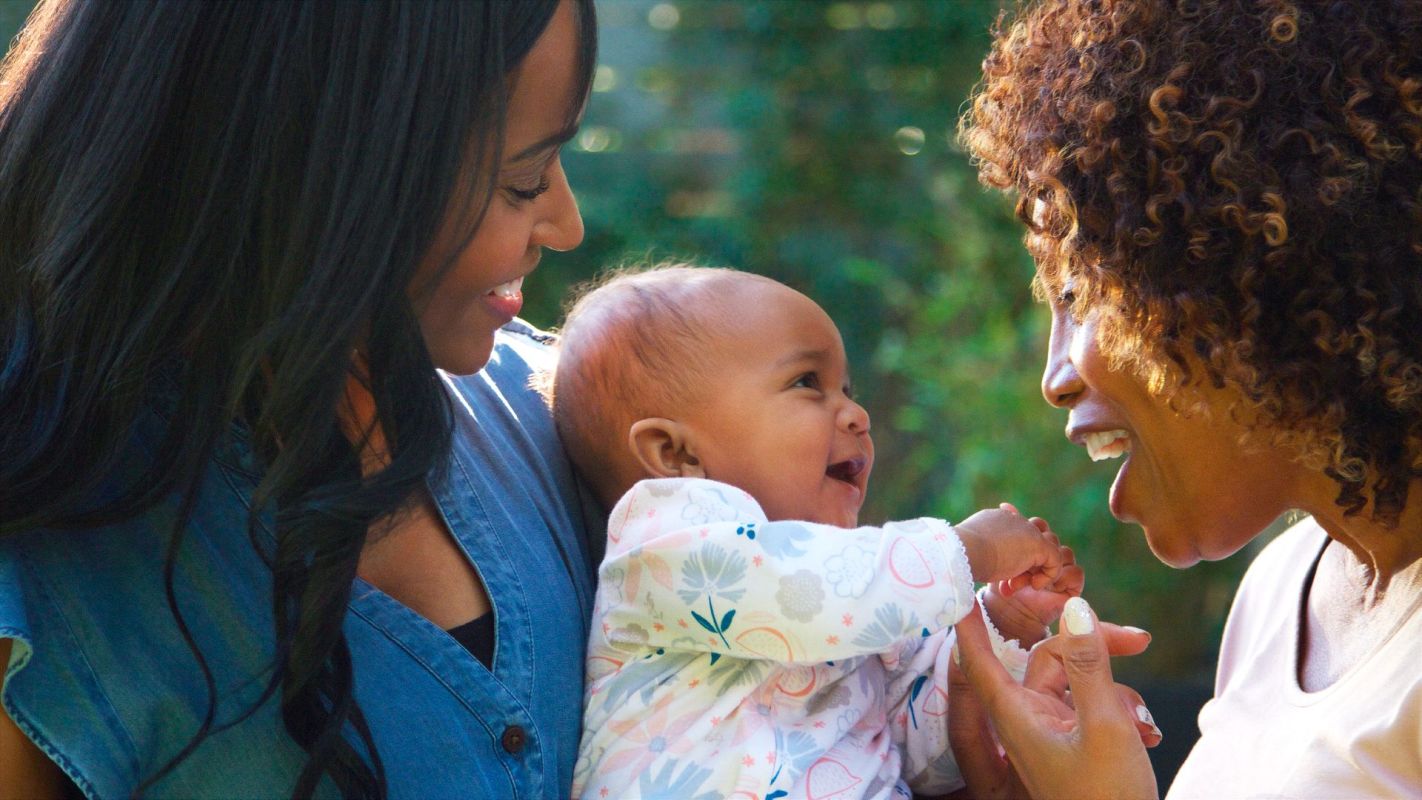
In some households, grandparents are becoming part of the family budget, not just occasional helpers.
That can mean something more lasting than a one-off birthday check or babysitting favor, and for older Americans, it is changing the shape of retirement.
Here's what to know
Many parents are planning around help from older relatives. As the New York Post reported, the BMO Real Financial Progress Index found that nearly 2 in 5 parents of young children expect either to receive financial help from their parents or grandparents or to ask for it.
Within that group, 47% expected relatives to help cover everyday expenses, while 25% anticipated contributions to 529 plans or other savings accounts.
Separate AARP research showed that 11% of surveyed grandparents had tapped savings or retirement accounts to help grandchildren financially.
Retirement in Florida did not unfold as Haron Marlee, a 59-year-old semi-retired therapist who relocated from New Jersey, expected. She planned to work part-time, focus on her health, and spend more time on the tennis court.
TCD Picks » Quince Spotlight
💡These best-sellers from Quince deliver affordable, sustainable luxury for all




But when her 36-year-old daughter's marriage ended and her job search dragged on, Marlee became a regular babysitter and also took bartending shifts to help the family get by.
"Those burdens fundamentally changed my finances, my retirement plans," Marlee told Bloomberg, per the Post.
More background
Robert Laura, founder of the Retirement Coaches Association, said that high housing costs, college debt, and other major expenses have made the old progression of finishing school, finding work, moving out, and buying a home much harder for young adults to follow.
He told the Post that families increasingly need to plan for what he calls "staged launches."
"The idea is more around staged launches than whether they fail or not fail to launch," he said.
Per the newspaper, Census Bureau survey data shows that 21.8% of parents use a relative other than a parent for childcare and about 2.1 million grandparents are primarily responsible for grandchildren who live with them.
AARP figures show grandparents provide roughly $172 billion in direct financial support and an additional $731 billion in unpaid care each year.
The BMO survey found that parents getting family help saved an average of $1,915 a year on childcare and babysitting along with $1,443 on groceries, the Post noted.
What can be done?
While sharing a home, Marlee set firm boundaries with her daughter's family. Her daughter took on cooking and cleaning responsibilities and later contributed toward rent and other household bills.
Laura said grandparents pay for private school, medical bills, and unexpected car repairs that help keep adult children on the job.
Pulling from retirement savings may ease an immediate crisis, but it can also create pressure if there is no clear plan to ending that support.
"Kids or grandkids can be a leaky faucet," Laura told the Post. "If there's not some framework for how they're helping and the extent that they're willing to help, it's really hard to cut it off."
Where can I learn more?
These articles cover retirement investing, pension fund priorities, and insurance costs.
• Many workers are reconsidering how their 401(k)s invest as fossil fuel exposure draws scrutiny.
• At some companies, employees are pressing for green 401(k) options that cut carbon-heavy holdings.
• In the U.K., two major public pension funds shifted priorities toward greener investments.
• In Thailand, insurers face a critical crossroads as climate risks drive up policy costs.

Get TCD's free newsletters for easy tips, smart advice, and a chance to earn $5,000 toward home upgrades. To see more stories like this one, change your Google preferences here.






