


Another major EU country has backed the effort to curb ultra-fast fashion.
Germany is siding with France and the Netherlands in seeking tougher European Union action against a low-cost apparel model that floods the market with poorly-made, trend-driven garments often discarded shortly after they are purchased.
What happened?
At a gathering of EU environment ministers in Luxembourg, Germany's state secretary for the environment, Jochen Flasbarth, said the country wants stronger steps to address the environmental harm linked to ultra-fast fashion, according to the Daily Sabah.
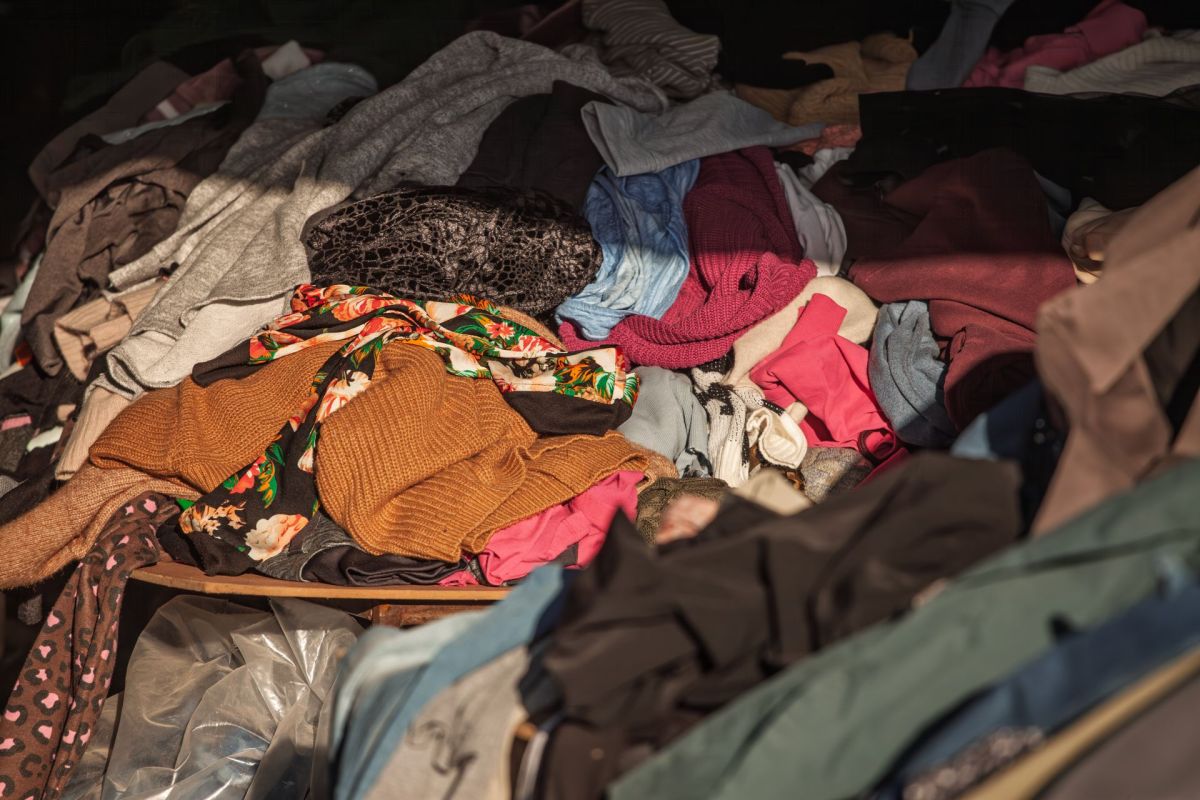
The term ultra-fast fashion is generally used for companies that push out large amounts of inexpensive, low-quality clothing, sell mainly online, and use data and algorithms to react quickly to changing trends. EU officials worry that this model depends on producing clothing at such a scale that many pieces are worn only a handful of times before being thrown away.
By joining France and the Netherlands, Germany is backing additional measures to encourage the use of recycled materials and make textiles easier to repair and recycle. The aim is to shift more responsibility onto producers instead of leaving communities and governments to cope with rising volumes of textile waste.
Why does it matter?
Ultra-fast fashion's low prices can mask much higher costs elsewhere. Producing massive amounts of disposable clothing consumes water, energy, and raw materials at an enormous rate, while dyeing and processing fabrics can pollute waterways and contribute to air pollution. The industry has also long faced criticism for relying on exploitative labor practices to keep prices artificially low.
TCD Picks » Quince Spotlight
💡These best-sellers from Quince deliver affordable, sustainable luxury for all




The model can become a financial trap, too. A shirt that pills, stretches, or falls apart after only a few washes has to be replaced again and again, making supposedly cheap clothing more expensive over time than better-made items that last longer.
If EU officials move ahead with tougher standards, shoppers could eventually see more durable garments, greater use of recycled materials, and increased pressure on brands to help cover the waste their products generate. That could help shift the market away from throwaway fashion and toward clothing designed to stay in use longer.
What are people saying?
"We can see that this is placing an enormous strain on the environment," Flasbarth said, according to the Daily Sabah. He also pointed to the scale of the waste issue, saying, "The consumption of resources is enormous. Ultimately, these textiles are produced only to end up in the bin, and we want to curb that."
And in describing what stricter rules should achieve, Flasbarth said, "Ultimately, the aim is to strengthen producer responsibility. Those who are foreseeably producing increasing volumes of waste must also contribute to its disposal and bear a share of the costs."

Get TCD's free newsletters for easy tips, smart advice, and a chance to earn $5,000 toward home upgrades. To see more stories like this one, change your Google preferences here.






