


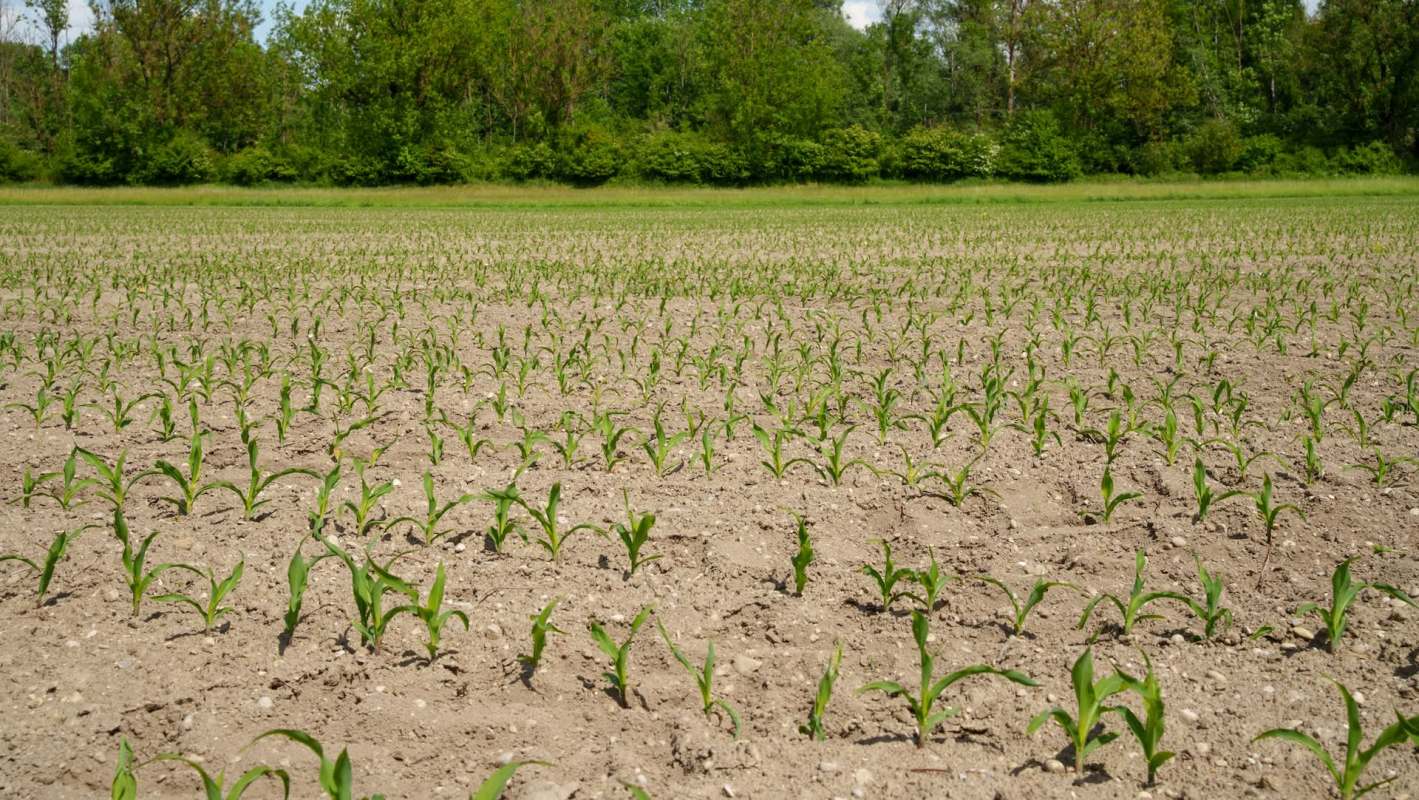
Germany's farmers are confronting a problem that increasingly looks less like a bad stretch of weather and more like a new normal, as drought and extreme heat drag on and crop losses and financial strain mount across the country.
Hot, dry conditions are reshaping the outlook for farms across Germany, where poor harvests and worsening finances are piling on top of the challenge of operating in a less predictable climate.
Here's what to know
In an Aug. 25 Instagram post, German broadcaster DW News (@dwnews) described the toll in stark terms.
"Major crop losses, financial dire straits and fears for the future: Germany's ongoing drought is hitting farmers hard," a caption read.
The post indicated the government had promised support, but added that some costs will still fall on German farmers.
Rather than a one-off shock, the drought is increasingly being seen as part of a recurring pattern. Farmers are still carrying much of the burden as they adjust to a climate in which intense heat and too little rain are becoming more common.
TCD Picks » Quince Spotlight
💡These best-sellers from Quince deliver affordable, sustainable luxury for all




Farming depends heavily on timing, soil moisture, and predictability.
When rain fails to arrive and temperatures stay high, crops can struggle to develop, yields can fall, and farms may be forced to spend more on irrigation, feed, or other measures to stay afloat.
More background
Agriculture is often one of the clearest places to watch climate stress unfold in real time.
A prolonged lack of rain does not just dry out fields — it can also reduce pasture quality, strain local water supplies, and make it harder for farmers to recover before the next growing cycle.
Climate-driven weather extremes can directly affect public health, economic stability, and everyday food security.
Consumers feel those effects too. Lower farm output can contribute to tighter supplies and price pressure, while rural communities face lost income and fewer opportunities when harvests fall short.
Ongoing drought makes long-term adjustments harder to postpone.
When hot, dry weather becomes a regular condition rather than a rarity, farms have to plan in new ways — and that can demand money, time, and resources many lack.
What's being done?
DW said the German government has promised support, which can be critical when farms are absorbing sudden losses.
Emergency aid can help keep operations afloat, protect jobs, and reduce the chances that a single season's damage becomes a lasting financial crisis.
Still, short-term help is only part of the picture.
Policymakers need to treat drought less as an isolated disaster and more as an ongoing economic and environmental challenge. Planning can matter just as much as relief payments when the goal is keeping food production stable.
DW acknowledged that farmers are "being forced to adapt to a changing climate — because extreme heat and lack of rain are no longer rare events."
Where can I learn more?
Germany's farm losses are part of a massive pattern playing out across agriculture in different places and in different ways.
These articles illustrate how flash droughts, soil degradation, and pressure on food systems are making farm livelihoods more fragile.
• Across food-growing regions, flash droughts pose an unprecedented risk to farmers and water supplies.
• Worldwide, extreme weather is threatening crops, livelihoods, and food security.
• In Nepal, failing harvests and eroding soil are leaving farmers worried about their survival.
Taken together, the reporting makes clear that Germany's farmers are dealing with pressures showing up well beyond one country or one season.
That global strain is making it harder to put off the support and adaptation farms need.

Get TCD's free newsletters for easy tips, smart advice, and a chance to earn $5,000 toward home upgrades. To see more stories like this one, change your Google preferences here.






