


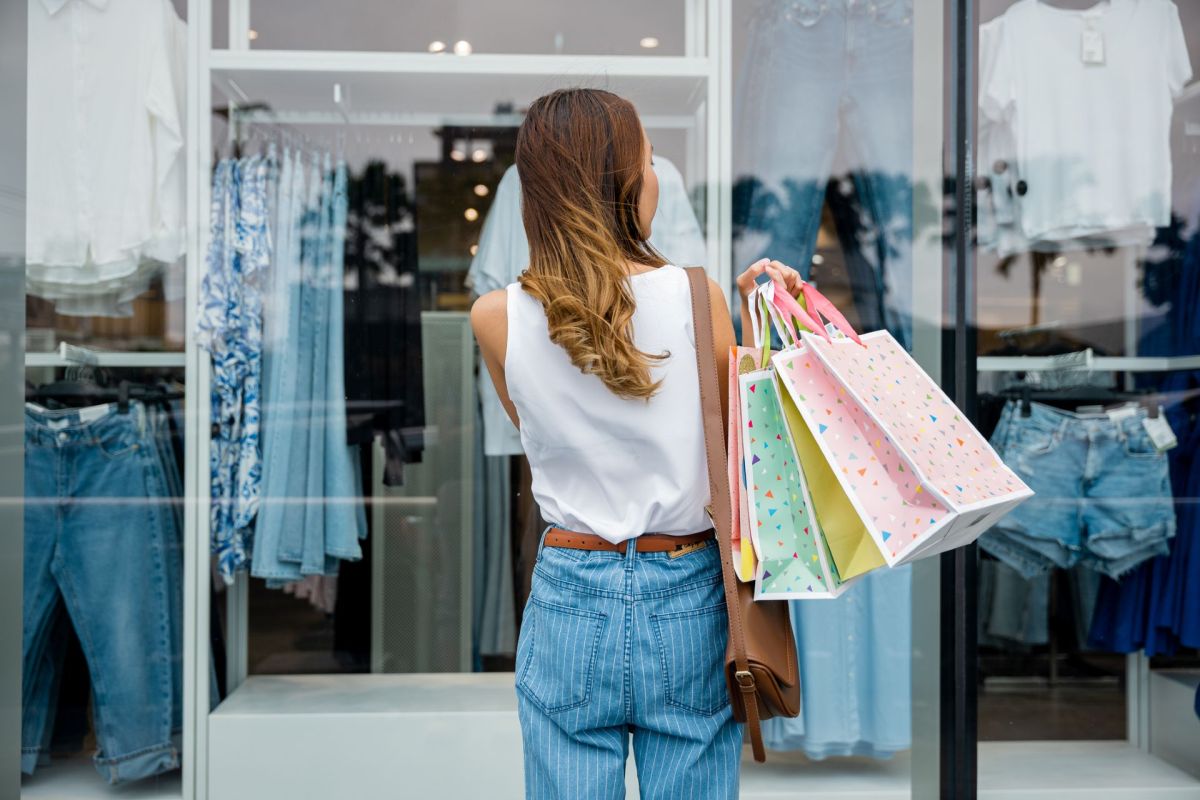
In a marked shift in spending, many Gen Z buyers are opting for pricey experience-related purchases over material items.
Here's what to know
A NerdWallet (@nerdwallet) Instagram post described the shift toward purchases that provide lasting value, whether through usefulness, durability, or enjoyment.
"The 'cheap era' is dead. Welcome to the 'worth it' economy," the caption stated.
The post offered a perspective on Gen Z spending, noting young consumers' selective choices reflect both the high cost of everyday purchases and the sense that milestones such as homeownership are out of reach.
For some people, the priority is an experience, a gym membership, or skin care — not a collection of low-cost goods.
The distinction isn't simply between spending and saving. It's about choosing something that provides enough value to justify its place in a budget.
TCD Picks » Quince Spotlight
💡These best-sellers from Quince deliver affordable, sustainable luxury for all




More background
A high price doesn't guarantee better quality.
NerdWallet noted that $20 shoes that last months are more expensive than $100 shoes that last years.
Subscription manager and bill tracker Subby pointed out that the same calculation can apply to recurring bills.
"Cost-per-use works for subscriptions too," it wrote. "A $15 plan you only open twice a month costs $7.50 every time you use it, and one you use daily is about 50 cents."
Other commenters cited purchases whose value goes beyond how long they last. Examples included a dream trip, good food, comfortable clothing, and time with friends.
What can be done?
NerdWallet offered three checks for applying this approach without stretching a budget.
First, the caption suggested asking before an expensive purchase or experience: "Am I spending this to look rich online — or does this bring actual value to my real life?"
Second, it advised focusing on cost per use, laying out the shoe comparison.
Third, instead of offering friends an excuse, be clear about whether expenses are affordable. That approach was called "loud budgeting," which is practiced by over 42% of Gen Z, according to NerdWallet.
"Making room for these conversations helps people find ways to spend time together without the pressure to overspend," Future Forum Foundation said in a comment.
Where can I learn more?
Getting more for your money can mean wearing clothes longer or rethinking where you shop.
• One shopper said clothes that go unworn create a bigger regret than expensive purchases.
• A poster's 1990s secondhand sweater remained in use despite pressure to replace it.
• Inflation pushed U.S. shoppers toward thrift stores as used apparel entered the consumer price index.

Get TCD's free newsletters for easy tips, smart advice, and a chance to earn $5,000 toward home upgrades. To see more stories like this one, change your Google preferences here.






