


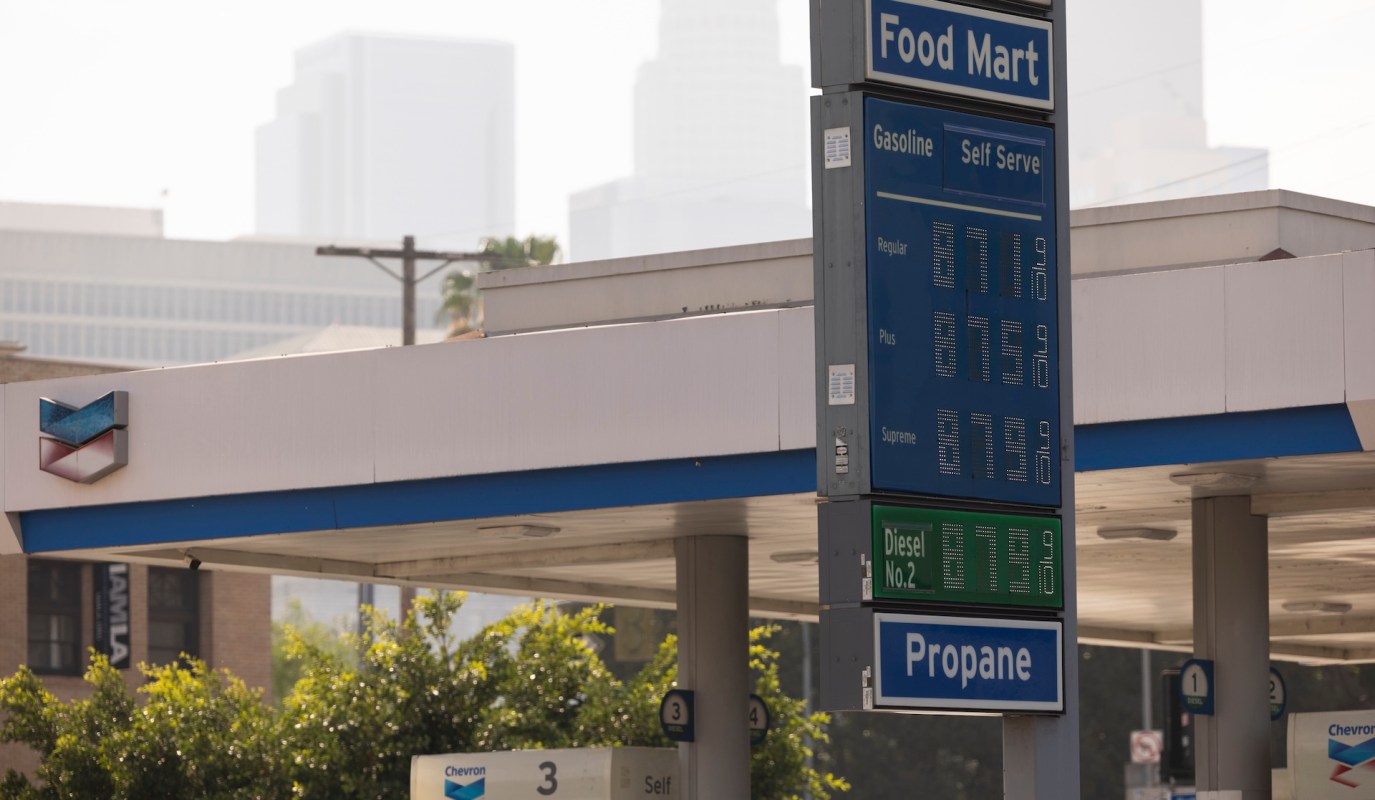
A new lawsuit filed in federal court alleges California drivers may have paid inflated gas prices because station operators used AI pricing software to move prices upward together instead of competing for motorists.
Seeking class-action status, the case names the companies behind more than 1,700 stations and says the system was used to "wring more money from the pockets of consumers throughout the state."
What happened?
As detailed by Popular Information, the complaint says Marathon Petroleum, 7-Eleven, Walmart, Circle K, and other companies used Kalibrate Fuel Pricing in what it describes as "a conspiracy to extinguish retail price competition" across California.
The suit says stations on the platform charged roughly 6 to 30 cents more per gallon. It argues that even a penny matters at statewide scale: "A single cent increase at the pump will drain a whopping $134 million from California drivers' wallets every year across the state."
Rather than trying to win customers by trimming prices below competitors', the complaint says operators were steered toward software-generated pricing built from rivals' data. It also alleges the system could feed those decisions directly to station signs and pumps.
The complaint points to a feature tied to a "restoration," which it defines as "a phenomenon where nearly all gas stations in an area raise their prices contemporaneously and by a large amount." In the plaintiffs' view, that lets users "initiate or join these market-wide price hikes."
TCD Picks » Quince Spotlight
💡These best-sellers from Quince deliver affordable, sustainable luxury for all




Why does it matter?
The case raises the question of whether families paid more at the pump because competitors were nudged to move in parallel instead of compete.
Gas prices shape commuting expenses and the entire logistics chain, from delivery costs to the price of everyday goods.
The timing is notable because regulators are increasingly examining how artificial intelligence can reshape markets out of public view. The lawsuit relies on California Assembly Bill 325, which took effect Jan. 1 and bans the use or distribution of a common pricing algorithm in a conspiracy that restrains trade.
The lawsuit also echoes earlier scrutiny surrounding RealPage, the rent-setting software challenged by the U.S. Department of Justice in 2024. The pattern has heightened concern that algorithmic pricing could quietly push up costs in essential parts of daily life, from housing to transportation.
What's being done?
The plaintiffs argue that AB 325 was designed to stop companies from outsourcing illegal price-fixing to software. As the complaint puts it, companies cannot evade liability "by delegating their illegal trusts to an algorithm."
If the case proceeds, it could become an early test of how aggressively courts will apply new antitrust rules to AI-driven pricing tools. That could have implications far beyond California since the complaint says Kalibrate is used widely across the United States and sets prices for "eight of the top 10 fuel retailers in the USA."
At the center of the lawsuit is a simple claim: Instead of helping stations compete, the software allegedly warned against "a race to the bottom," discouraged "sacrificing margin," and promised "complete visibility on your competitors."

Get TCD's free newsletters for easy tips, smart advice, and a chance to earn $5,000 toward home upgrades. To see more stories like this one, change your Google preferences here.






