


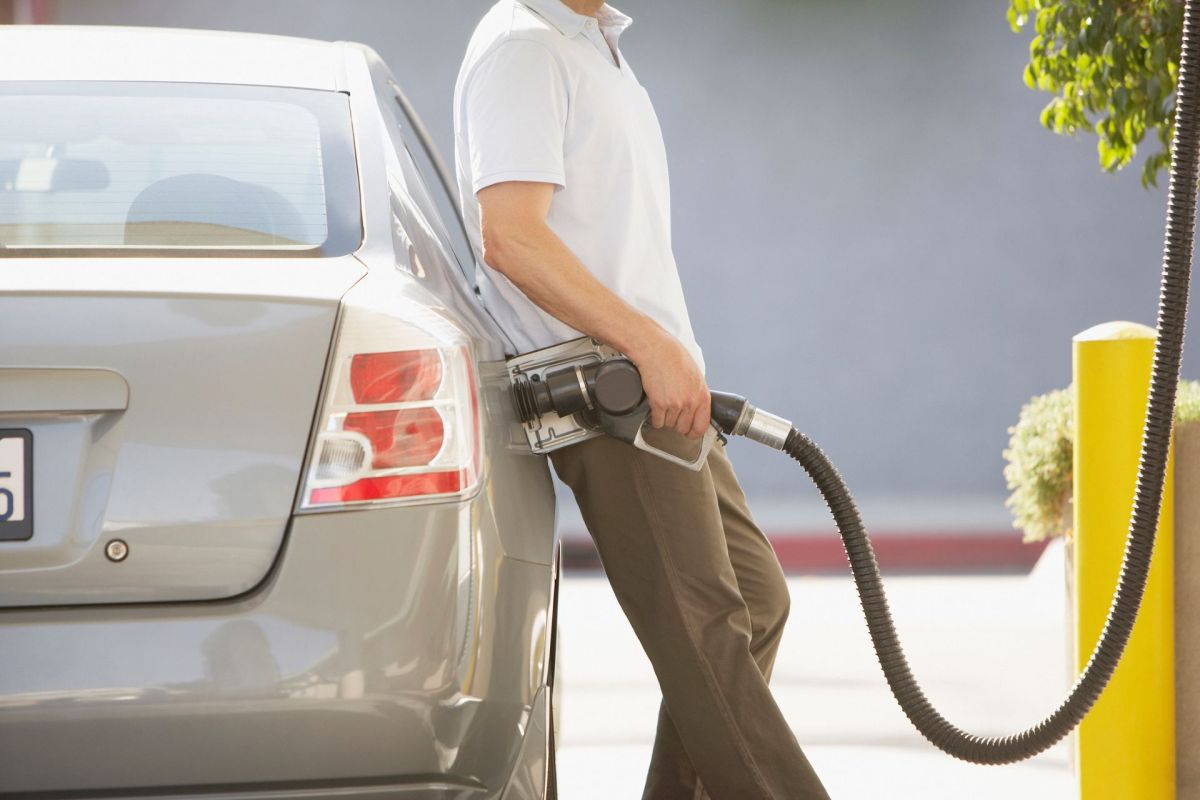
Rising gas prices pushed inflation higher across California's Inland Empire, adding pressure to household budgets even as one short-term measure showed slight cooling.
The data suggest energy costs are still doing much of the heavy lifting behind price increases in the region.
Here's what to know
Across western Riverside County, Ontario, and San Bernardino, prices in the Riverside metro were 3.2% higher in July 2026 than they were in July 2025, My News LA reported. Over those 12 months, the energy index increased 17.6%, and gasoline at retail stations rose even more sharply, up 23.2%.
Not every category went up: education and communication were down 6.5% in the year ending July 31. Still, food prices were 3.1% higher than in July 2025, and shelter costs, including rent, rose 2.8%.
From June to July 2026, the Consumer Price Index saw a small 0.1% increase, with a 7.9% drop in retail gas prices helping drive that change.
What can be done?
Tracking gas prices more closely, combining errands into fewer trips, carpooling when possible, and keeping up with tire pressure and routine vehicle maintenance can all help reduce fuel spending.
TCD Picks » Quince Spotlight
💡These best-sellers from Quince deliver affordable, sustainable luxury for all




At home, energy-saving steps may also help lower utility-related costs. Simple measures such as sealing drafts, using fans strategically, adjusting thermostats, and unplugging electronics when they are not in use can help trim monthly bills.
Reviewing recurring expenses, comparing lower-cost insurance or phone plans, and meal planning to cut down on food waste may create a little extra cushion when essential costs rise.
Because fuel costs can change quickly, they can intensify inflation pressure over a short period, but they can also provide some of the earliest signs of relief when they fall.

Get TCD's free newsletters for easy tips, smart advice, and a chance to earn $5,000 toward home upgrades. To see more stories like this one, change your Google preferences here.






