


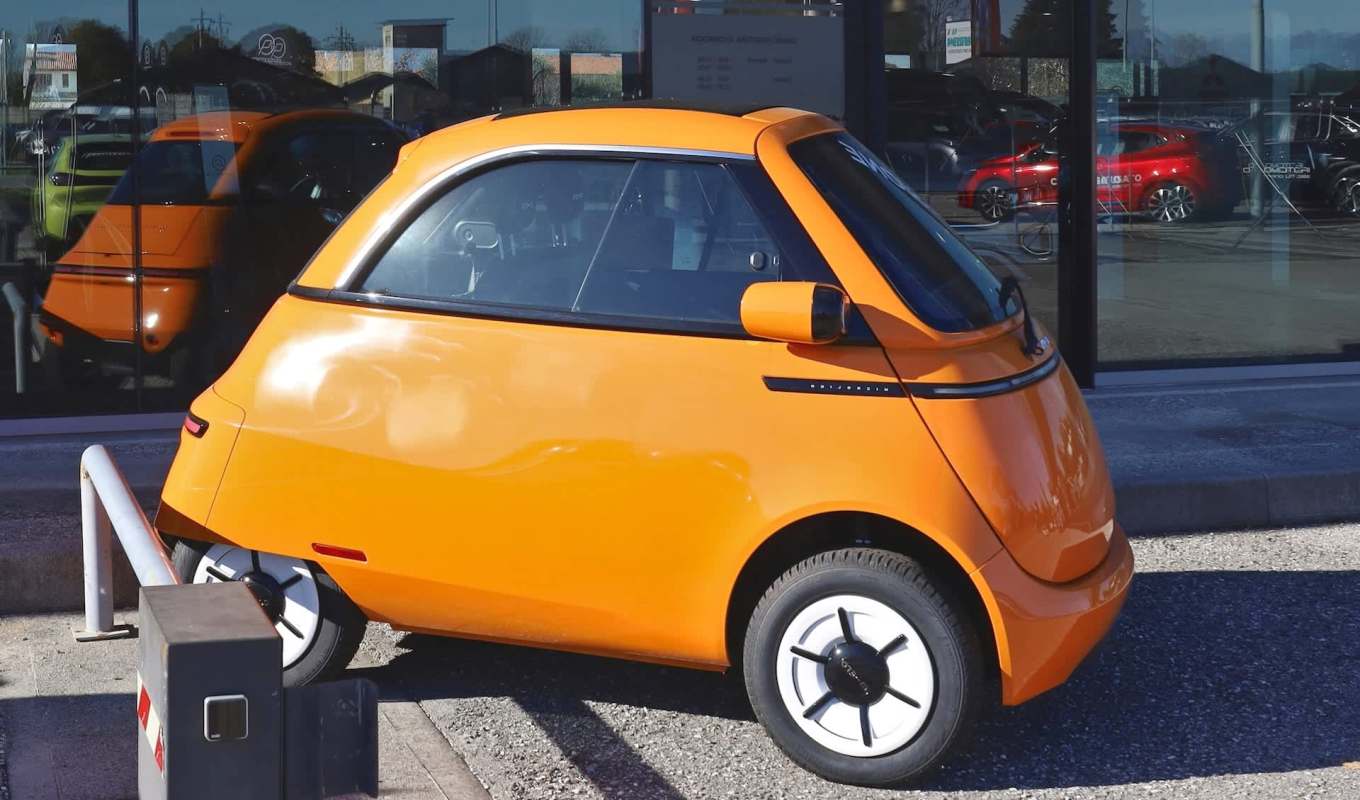
According to new data, gas-only models accounted for less than half of global new car sales.
Buyers have been shifting as oil prices rose amid conflict in the Middle East, making electric vehicles and hybrids more appealing because of their lower day-to-day fueling costs.
Here's what to know
Figures highlighted by InsideEVs, citing Nikkei Asia and Mobility Global data, show that automakers sold 20.25 million gas-only vehicles worldwide. That 10% year-over-year decline left pure gasoline models with 49% of global new vehicle sales.
That is the first time since the 1920s that such vehicles have made up less than half of the market, the outlet said.
At the same time, electrified vehicles continued to gain share, per the data. Global EV sales rose 12% to 6.87 million units, while hybrid sales increased 10% to 7.27 million. Together, those categories captured much of the demand that once went to traditional gas-powered cars.
Results were mixed across regions, Mobility Global found. China's EV market slipped 3% to 3.44 million units after purchase incentives ended in January, and North American EV sales fell 15%.
TCD Picks » Quince Spotlight
💡These best-sellers from Quince deliver affordable, sustainable luxury for all




Elsewhere, growth was much stronger. Europe reached 1.81 million EV sales and was up 32%, Southeast Asia climbed 81% to 350,000, and Oceania more than doubled to 110,000.
More background
Nikkei Asia noted Mobility Global's figures show that pure gas models held a 73% share of the global new-car market in 2021. As more electrified options have become available, that share has fallen to 49% now.
When oil prices rise, EVs and hybrids can become more attractive because they reduce or limit gasoline use. That can help households manage transportation costs, especially in places where fuel-price swings are felt quickly.
"EV adoption slowed [around 2024], and hybrids grew due to subsidy cuts and other factors, but higher oil prices have renewed appreciation for EVs' lower operating costs, and sales are now growing again," said Yoshiaki Kawano, Mobility Global associate director, in comments to Nikkei Asia.
Commenters on InsideEVs had different reactions to the news. One commenter quibbled with the publication's characterization of hybrids.
"Silly misleading headline," they opined. "All hybrids are still 'gas' cars."
"Great news for electrification," another user countered.
What's being done?
Automakers are offering more lower-cost alternatives to conventional gas models. In Europe, InsideEVs identified the Renault 5 E-Tech as one example of a more affordable EV that helped lift sales.
Policy changes are also shaping the market, even when they slow sales in the short term. China, for instance, saw EV demand soften after incentives ended in January, showing how government support can directly affect adoption rates.
At the same time, broader market conditions are nudging consumers toward electrified vehicles. Higher oil prices have made EVs and hybrids more appealing, particularly for drivers focused on operating costs rather than sticker price.
"Few EV buyers return to gasoline vehicles or hybrids, and as prices continue to fall, demand driven by genuine consumer needs rather than subsidies is likely to expand," Kawano noted, per Nikkei Asia.
Where can I learn more?
The shift away from gasoline-only cars is playing out differently around the world as EV adoption grows.
• Worldwide, buyers looking to ditch gas increased as U.S. EV sales lagged.
• Norway hit the 97% mark, while new car sales worldwide now include EVs at one in four.
• In China, gasoline car sales fell 41.8% in May as EV adoption surged.

Get TCD's free newsletters for easy tips, smart advice, and a chance to earn $5,000 toward home upgrades. To see more stories like this one, change your Google preferences here.






