


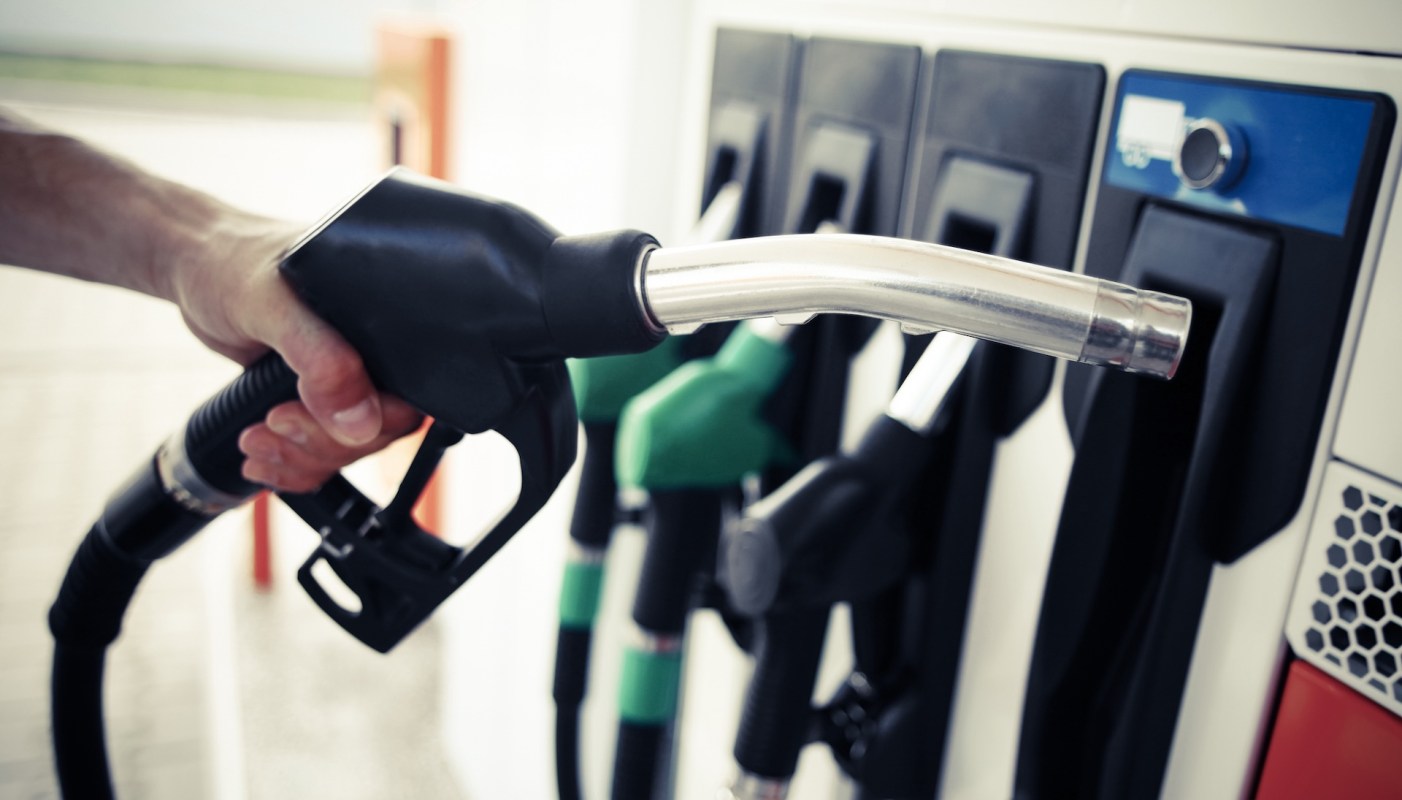
With U.S. diesel averaging $6.37 a gallon and Brent crude still hovering above $100 per barrel, the Group of Seven (G7) countries have agreed to tap fuel reserves.
Shocks in the oil and diesel markets have hit households, farms, and freight-dependent businesses, and the G7 governments are responding.
Here's what to know
Following a videoconference convened by French President Emmanuel Macron, the G7 said it would release up to 100 million barrels of crude oil and diesel over four months, including what the group described as a "substantial diesel release within the first 20 days," according to NBC News.
Diesel has been at the center of the latest price surge and inflation claims. Since Feb. 28, the average U.S. price has climbed 70% to $6.37 per gallon. Fuel prices have also been rising since Feb. 28, when the U.S. and Israel attacked Iran, and diesel jumped again after the Russia-Ukraine war intensified in July.
The deal was reached after the administration of U.S. President Donald Trump pressed European allies, particularly Germany and France, which hold a large share of the European Union's diesel reserves.
More background
Treasury Secretary Scott Bessent wrote on X: "American farmers, truckers, and businesses should not be left carrying the burden of a global diesel shortage."
TCD Picks » Quince Spotlight
💡These best-sellers from Quince deliver affordable, sustainable luxury for all




This is not the first emergency fuel action. In March, member countries of the International Energy Agency approved a 400 million-barrel crude release. That move eased some supply pressure, but prices continued rising.
Brent crude was still above $100 a barrel after a 3% drop tied to anticipation of the new G7 announcement, and it remained up more than 60%.
When diesel and crude prices jump, families and small businesses often bear the cost by paying more for delivered goods, transportation, and other essentials.
What's being done?
Under the G7 plan, a substantial diesel release would be followed by total releases of up to 100 million barrels over four months.
The Trump administration is also weighing a U.S. diesel export ban. Because EU countries and the United Kingdom would be hit especially hard, the reserve release has become part of a broader trans-Atlantic fight over access to scarce fuel supplies.
European officials are pushing back on that idea even as they take part in the wider release.
Governments are left with two tracks to pursue at once: short-term supply injections to ease immediate price pressure and a political fight over whether restricting exports would help or worsen the disruption.
The European Union said it "fully rejects any ban on diesel."
"A ban would not be beneficial to anyone," a European Commission spokeswoman told reporters in a briefing.

Get TCD's free newsletters for easy tips, smart advice, and a chance to earn $5,000 toward home upgrades. To see more stories like this one, change your Google preferences here.






