


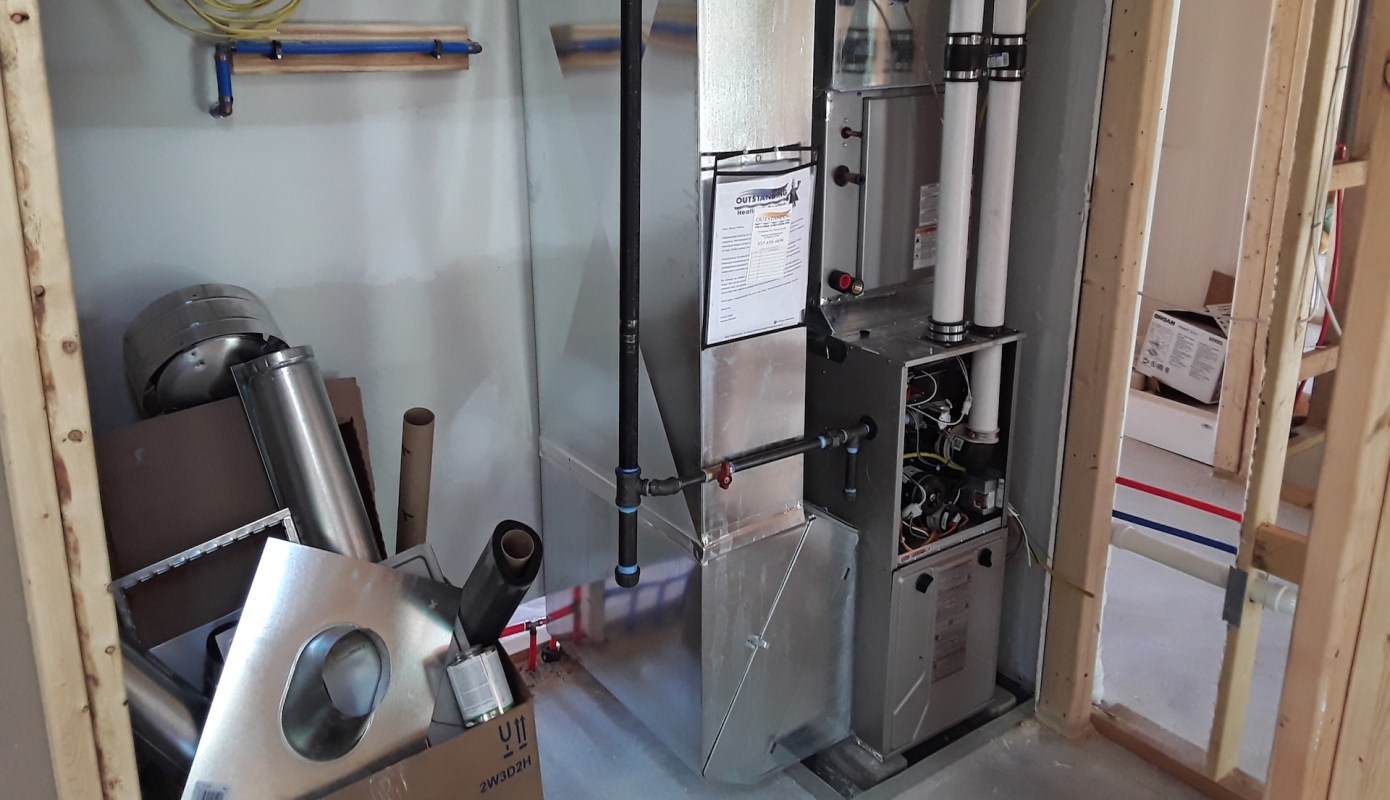
A Facebook ad that appeared to offer government help with the cost of a new furnace left Colleen Carter of Courtice, Ontario, with something she wasn't expecting — a 20-year payment plan.
For Colleen Carter of Courtice, Ontario, a pitch centered on a rebate became a financing agreement that she said would have followed her until she was 94 — illustrating how misleading home-upgrade advertising can burden people with years of avoidable costs.
Here's what to know
The agreement Carter signed required $12,000 in payments over 20 years, CTV News reported. She said the deal began after she answered an April Facebook ad that presented a furnace rebate as government-backed, according to CP24. A salesperson contacted her promptly and told her she qualified for $1,650.
According to CTV News, doubts began to grow when the money Carter received came from JP Home Comfort, an HVAC company based in Brampton — not the government. The check from the HVAC company totaled $1,900, including an additional $250 for referring a neighbor.
The financing arrangement was taken over by Financeit, Carter learned. In a statement to CTV News, a Financeit spokesperson said the company "offers flexible purchase financing options for contractors and customers" and that "Customers have the ability to pay off their Financeit loan in full, with no fees at any time."
More background
Carter said she felt misled and wanted to leave the agreement, according to CTV News.
TCD Picks » Quince Spotlight
💡These best-sellers from Quince deliver affordable, sustainable luxury for all




Financeit further told CTV News that pricing decisions and any rebate administration are outside its role, stating, "Financeit is not involved in setting the price a customer agrees to pay for a product or service, determining whether that product or service represents good value, or administering any government grant, rebate, or incentive programs."
What can be done?
Consumers wary of deceptive eco- or savings-based marketing can also check out the TCD Guide's page on greenwashing.
The matter was resolved only after CTV News contacted both companies: Carter returned the rebate, and JP Home Comfort and Financeit agreed to release her from the contract so she could buy the furnace outright for $4,700. Carter expressed that she was "so thrilled to have this taken care of."
However, this positive resolution only came after a lot of stress, confusion, and public attention. "I would like to not have this loan payment for the rest of my days, and I would like to buy out the furnace but not at the price they are expecting," Carter said.
Where can I learn more?
Carter's experience points to a broader pattern: marketing that uses eco-friendly or money-saving claims to earn trust fast. The articles below look at how fuzzy labels, slick branding, and spotty oversight can make a questionable pitch sound legitimate.
• A branding expert showed how easy greenwashing is, underscoring why shoppers should read labels closely.
• Across the US and EU, policymakers may soon crack down on greenwashing claims.
• At Target, a TikToker highlighted misleading ad and label tactics that can fool shoppers.
Read alongside Carter's story, they may give a clearer picture of how rebate-style sales pitches can seem more trustworthy than they really are. These stories show the importance of slowing down, checking the details, and avoiding long-term costs buried beneath feel-good messaging.

Get TCD's free newsletters for easy tips, smart advice, and a chance to earn $5,000 toward home upgrades. To see more stories like this one, change your Google preferences here.






