


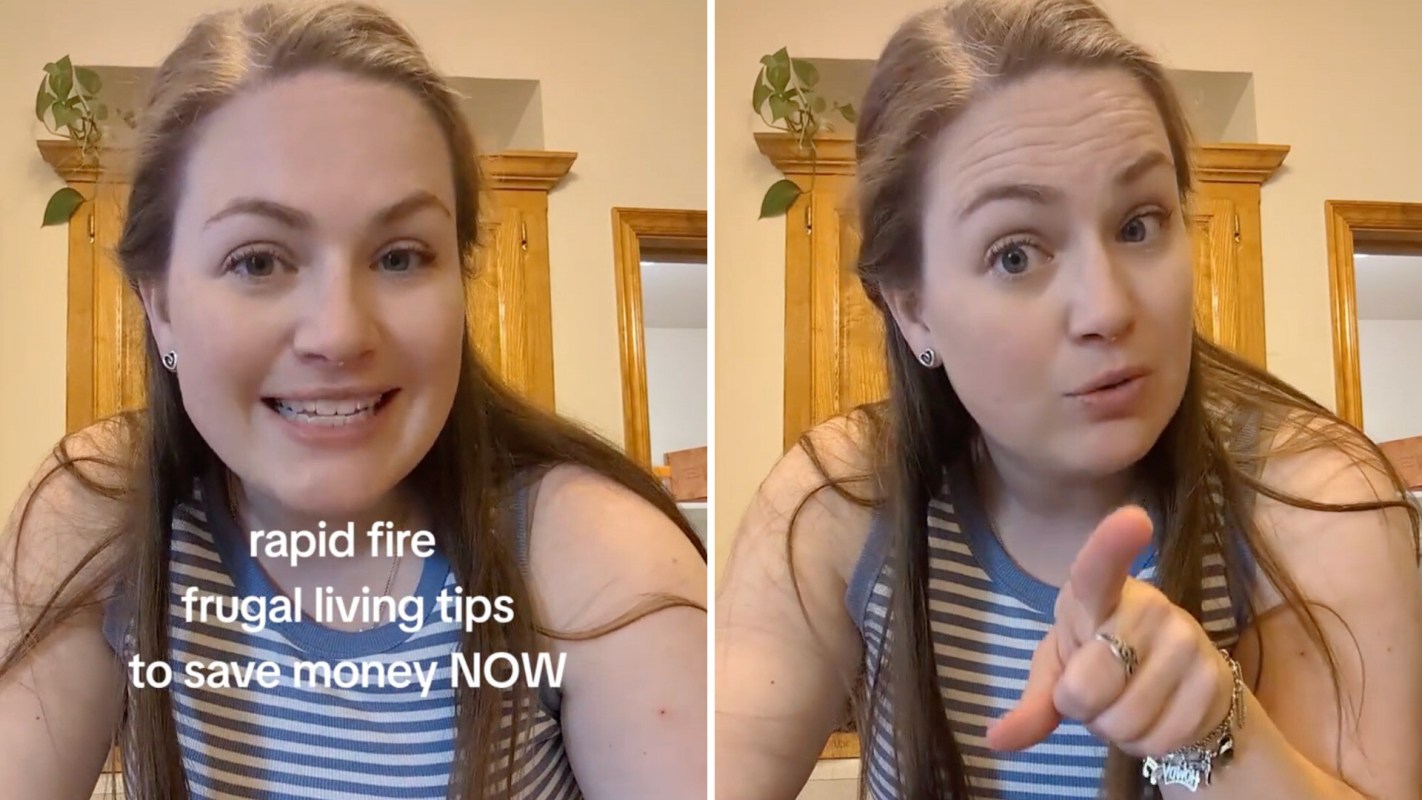
A TikTok about frugal living is resonating with viewers trying to make a paycheck stretch further.
Instead of promoting a flashy budgeting hack, the creator offered a simpler approach: buy less, wash less, and stop treating every sale like a reason to spend. For households facing high everyday costs, that kind of underconsumption advice can quickly add up to meaningful savings.
What happened?
In a recent post, TikTok creator Amanda the Frugal Minimalist (@hellobrownlow) outlined several ways her household keeps costs down while living on one income.
@hellobrownlow rapid fire frugal tips 🔥 #momonabudget #personalfinancetips #underconsumption #howtosavemoney #frugalliving ♬ original sound - Amanda the Frugal Minimalist
In the TikTok video, the creator said one of the biggest mindset shifts in her home has been separating essentials from impulse purchases: "We understand what a need is versus what a want is. A need would be food on the table, gas in the car. A want is a new pair of sunglasses and a new pair of shoes."
Rewearing everyday clothes has become an easy way for her household to save money, and she also avoids buying extra hobby-related items simply because they are on sale.
"We are also washing things less frequently," Amanda says, adding: "Washing less often saves water, and washing less often wears them out slowly."
TCD Picks » Quince Spotlight
💡These best-sellers from Quince deliver affordable, sustainable luxury for all




She adds: "We've also just found contentment, and we just want less."
Why does it matter?
The creator's advice focuses on repeatable daily choices rather than extreme deprivation.
Skipping nonessential purchases, resisting sale-driven spending, and repairing or reusing items can help reduce monthly costs without relying on a complicated budgeting system.
Some of the habits she described can also lower household utility bills. Washing clothes less often can reduce water and electricity use while helping garments last longer, which can delay replacement costs.
Over time, that can translate into savings on both monthly bills and shopping.
Buying fewer new items and extending the life of clothes, shoes, bags, and accessories can reduce waste and lessen demand for resource-intensive manufacturing.
What are people saying?
Commenters largely agreed with the creator's approach and shared examples of their own.
One wrote: "My sunglasses after 3 years broke and instead of buying new — I had them repaired."
Another said: "I wear everything (except underpinnings) at least twice before it goes in the wash."
Others pointed to reusing items and passing them along.
One commenter wrote: "When I'm getting rid of clothing items, I look at the piece and see if I could repurpose it into something else. If not, I will usually offer them for free on fb marketplace."

Get TCD's free newsletters for easy tips, smart advice, and a chance to earn $5,000 toward home upgrades. To see more stories like this one, change your Google preferences here.






