


Newly disclosed records have intensified questions around a plan by a Texas gas producer to drill 20 wells in the Kimberley, with federal regulators repeatedly telling the company that important environmental information was still missing.
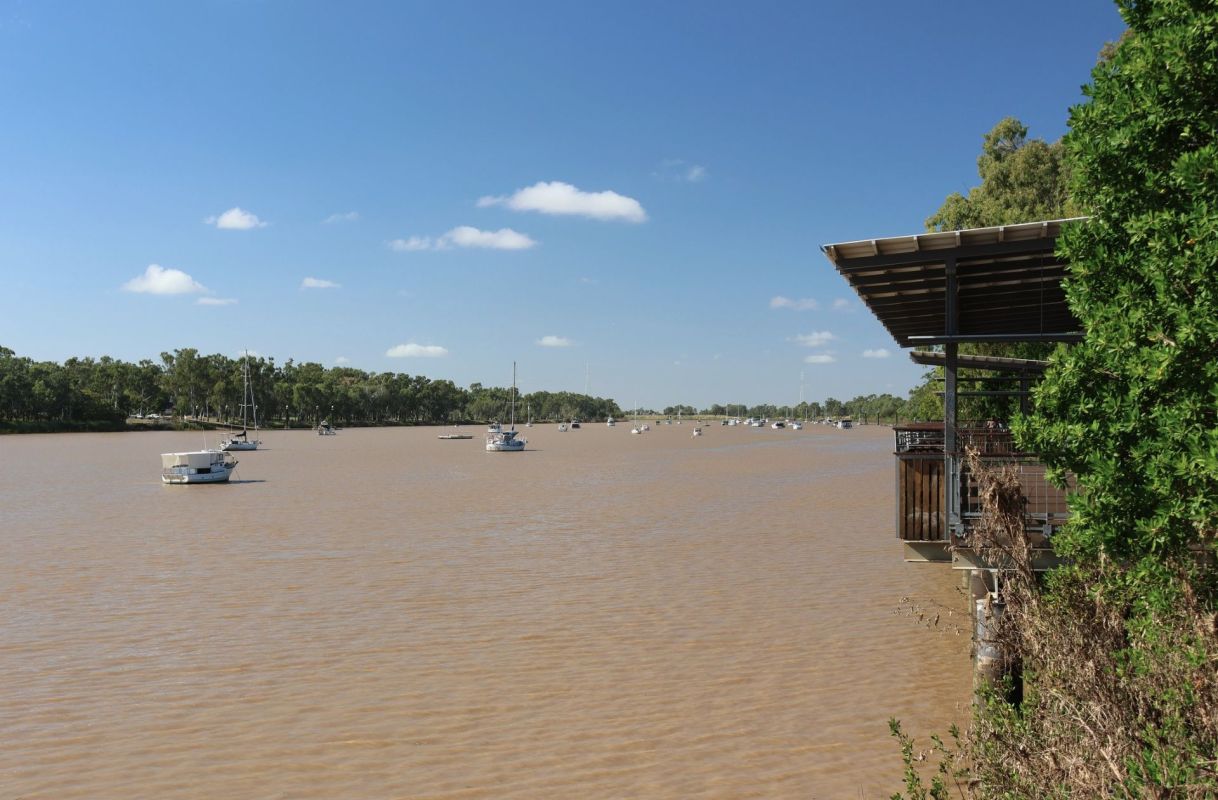
The proposed fracking site lies in Western Australia near waterways feeding the heritage-listed Fitzroy River, within a region environmental advocates describe as too environmentally significant for gas development.
What happened?
At the center of the proposal is Black Mountain Energy's Valhalla project, pursued through its subsidiary Bennett Resources. According to The Guardian, the company wants federal approval to build 20 wells west of Fitzroy Crossing, close to a creek linked to the Fitzroy River system.
Freedom of information material cited shows the federal environment department repeatedly asked for more detail on water systems, ecosystems that rely on groundwater, and possible effects on threatened wildlife.
Because of those unresolved issues, officials said they could not confidently assess the dangers fracking might create in the area. Species identified in the process included the critically endangered northern blue-tongued skink and the endangered largetooth sawfish, which has an important nursery area in the Fitzroy River.
The department further said the company had not produced enough evidence to support its position that the river would not be harmed. It also told Black Mountain to consult additional Traditional Owner groups with cultural and spiritual ties to the river.
TCD Picks » Quince Spotlight
💡These best-sellers from Quince deliver affordable, sustainable luxury for all




Why does it matter?
The Kimberley includes part of the world's largest, most intact tropical savanna, and the Fitzroy River is central to both the region's ecology and its cultural life.
The questions surrounding groundwater, surface water connections, and sensitive habitat raise concerns about whether industrial gas extraction could permanently damage a rare and largely intact landscape.
An independent expert scientific committee advising the government said Black Mountain had conducted a "limited and disjointed assessment" and that its conclusions about water and ecosystem impacts were "largely unsupported." Federal officials also cited "substantial uncertainty," saying it restricted their ability to judge the project's full consequences.
Fossil fuel extraction and burning worsen the extreme weather disasters that destroy homes, livelihoods, and local economies.
The industry also contributes to air and water pollution linked to asthma, heart disease, cancer, and premature death, while keeping household energy costs high even as corporate profits rise. Critics argue lobbying by oil and gas interests slows cleaner, cheaper energy solutions.
Martin Pritchard, executive director of Environs Kimberley, said his group is urging federal environment minister Murray Watt to stop the project.
"We've called on him to essentially scrap the assessment because the company has clearly not done what the department has requested in terms of providing information," he said.
Pritchard added, "This is the last place in the world that should be industrialised by the oil and gas fracking industry. ... There's not many places like that left in the world."

Get TCD's free newsletters for easy tips, smart advice, and a chance to earn $5,000 toward home upgrades. To see more stories like this one, change your Google preferences here.






