


This year's Fourth of July cookout is expected to cost U.S. households a little more at the grocery store.
The American Farm Bureau Federation's annual survey put the cost of feeding 10 people at $73.82, the highest total it has recorded.
What's happening?
At about $7.38 per person, the 2026 holiday cookout total is $2.90 higher than it was a year ago, marking a 4% increase in AFBF's latest market basket survey, per the Oklahoma Farm Report.
That uptick is broadly in line with nationwide inflation. The federal government's consumer price index rose 4.2% over the 12 months ending in May, while food prices increased 3.1% during the same period.
AFBF said the rise reflects the broader pressure families are feeling at grocery stores.
"Families across the country are dealing with higher prices for many expenses, including groceries," AFBF economist Faith Parum said, per the Oklahoma Farm Report.
TCD Picks » Quince Spotlight
💡These best-sellers from Quince deliver affordable, sustainable luxury for all




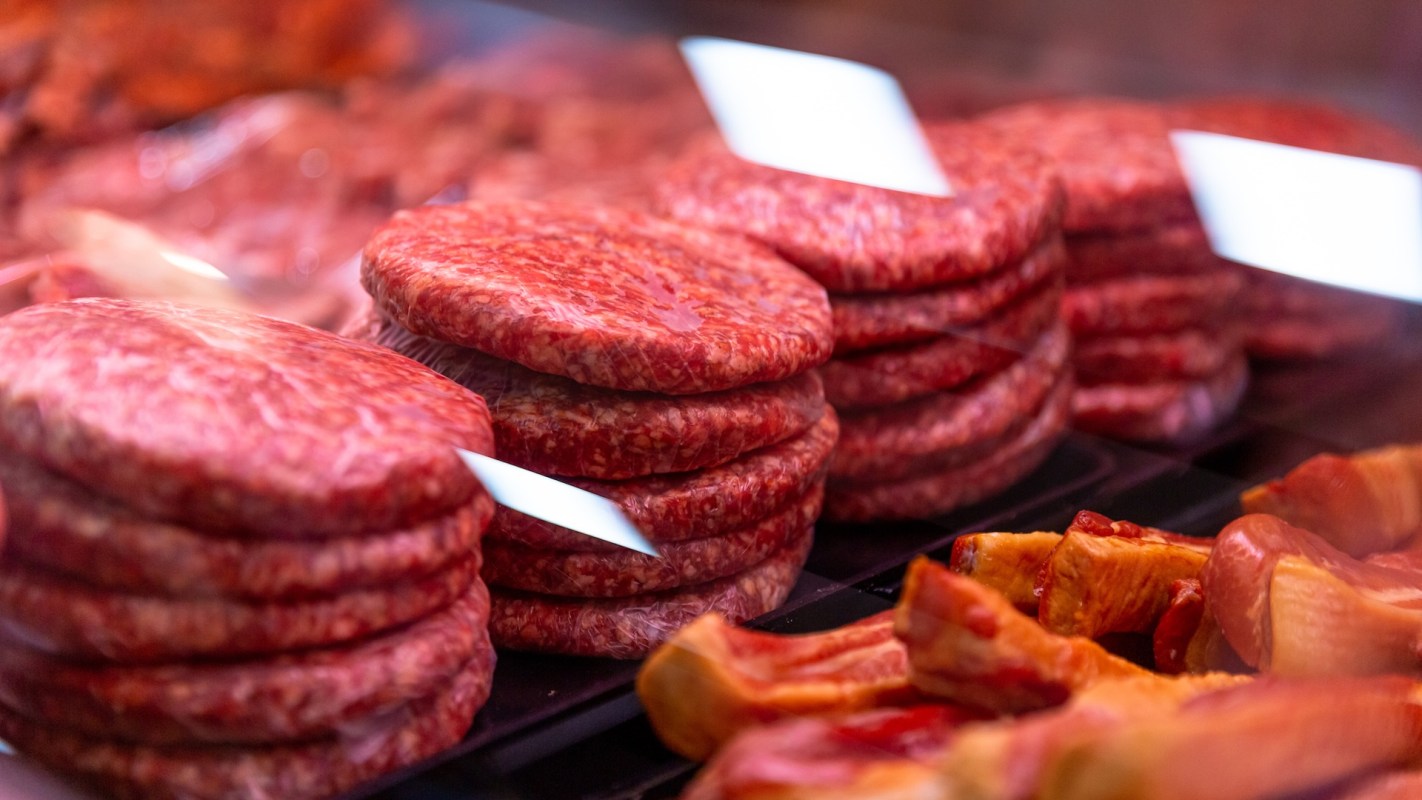
Fresh fruit and beef led some of the biggest increases. Strawberries rose 12.4% to $5.27 for two pints, while 2 pounds of ground beef climbed 5.5% to $14.06.
Pork and beans also increased to $3.06, and hamburger buns went up to $2.53.
Beef supplies are still constrained as ranchers rebuild herds after years of drought, while a frost in Florida damaged strawberry plants and raised produce costs.
Why does it matter?
The survey suggests shoppers are still paying more for staples tied to summer gatherings, especially meat and fresh produce.
Beef, chicken, pork chops, buns, cookies, ice cream, lemonade, and cheese all posted year-over-year increases.
When inflation is taken into account, cookout costs have stayed steady in recent years and remain below the inflation-adjusted peak from 2022.
Parum emphasized that food affordability in the United States remains comparatively strong, saying, "As you look at the purchasing power of the dollar, however, it has remained relatively stable when it comes to food."
What's being done?
Not every item became more expensive. Potato salad dropped 17.8% to $2.91, helped partly by lower egg prices after flocks recovered from avian influenza, and potato chips were also down slightly, falling 4 cents from last year.
Several factors affected grocery prices. Aluminum costs pushed up the prices of canned goods such as pork and beans, while labor, transportation, refrigeration fuel, and weather events affected produce. Those pressures are often felt by shoppers and farmers alike.
AFBF President Zippy Duvall said farmers are not necessarily benefiting from higher retail prices, noting, "The farmer's share of the food dollar is around 6% after expenses."
AFBF is again pushing for a modernized farm bill to support research, innovation, and risk management for producers.
"Higher prices at the grocery store don't always translate to more money for farmers," Duvall told the Oklahoma Farm Report.

Get TCD's free newsletters for easy tips, smart advice, and a chance to earn $5,000 toward home upgrades. To see more stories like this one, change your Google preferences here.







