


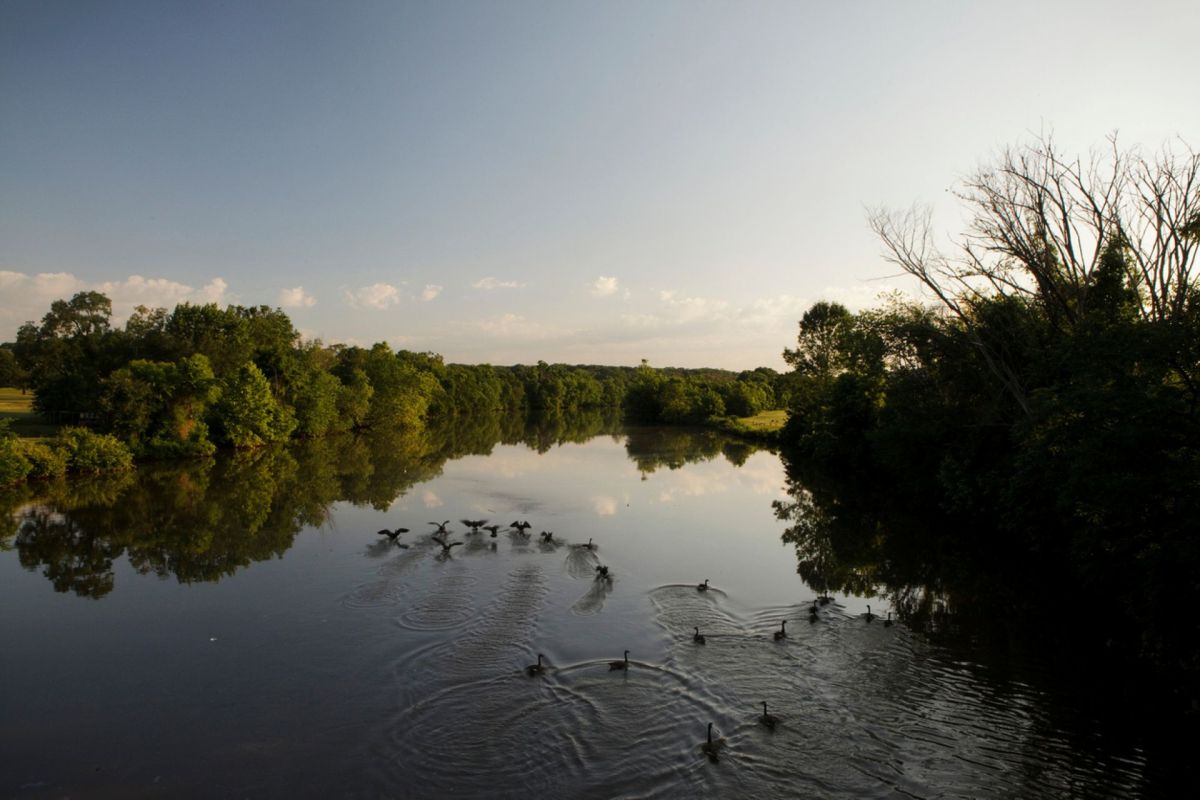
After years of alleged toxic runoff from a Northeast D.C. facility into local waterways, including the Anacostia River, local company Fort Myer Construction has agreed to a settlement with the District worth nearly $1 million.
What happened?
District officials accused Fort Myer Construction of allowing petroleum and other pollutants to wash off one of its Northeast D.C. properties for more than a decade, leading to a settlement with the D.C. Attorney General's Office.
As NBC Washington reported, officials said the runoff moved through storm drains and streams in the National Arboretum before eventually reaching the Anacostia River.
According to D.C. senior assistant attorney general David Hoffman, the deal combines financial penalties with spending on cleanup measures.
"They're going to pay us $450,000 worth of penalties, but they're going to make over a half a million dollars in investments … to clean up the property," said Hoffman, per NBC Washington.
Officials said the runoff continued even after warnings from the D.C. Department of Environment. When the lawsuit was filed in 2024, Fort Myer disputed the claims, saying, "No construction company in the District has built more green infrastructure projects. … We do not agree with the allegations in this lawsuit and look forward to defending our record in court."
TCD Picks » Quince Spotlight
💡These best-sellers from Quince deliver affordable, sustainable luxury for all




NBC Washington said Fort Myer did not respond to a request for comment on the settlement.
Why does it matter?
The case centers on pollution moving through neighborhood storm drains and into a river that has long been the focus of cleanup efforts.
When toxic runoff reaches local streams, it doesn't stay contained on private property. It can harm water quality, damage habitats, and make restoration work more difficult and expensive. The Anacostia is tied to recreation, wildlife, and the health of surrounding communities in the nation's capital.
Officials said the runoff continued despite warnings, suggesting it was not an isolated mistake but a persistent problem as contaminated water kept moving toward public waterways.
What's being done?
The settlement is meant to do more than punish past behavior. It also requires investment in cleaning up the property at the center of the case, which officials said should help prevent future contamination from reaching the local watershed.
Hoffman said addressing the runoff source was especially important because of its outsized role in pollution in that area.
"It was the only industrial pollutant that DOE was able to identify as the leading culprit for pollutants that were going into that particular area," he said. "So, by eliminating that, it's a fairly substantial success."

Get TCD's free newsletters for easy tips, smart advice, and a chance to earn $5,000 toward home upgrades. To see more stories like this one, change your Google preferences here.






