


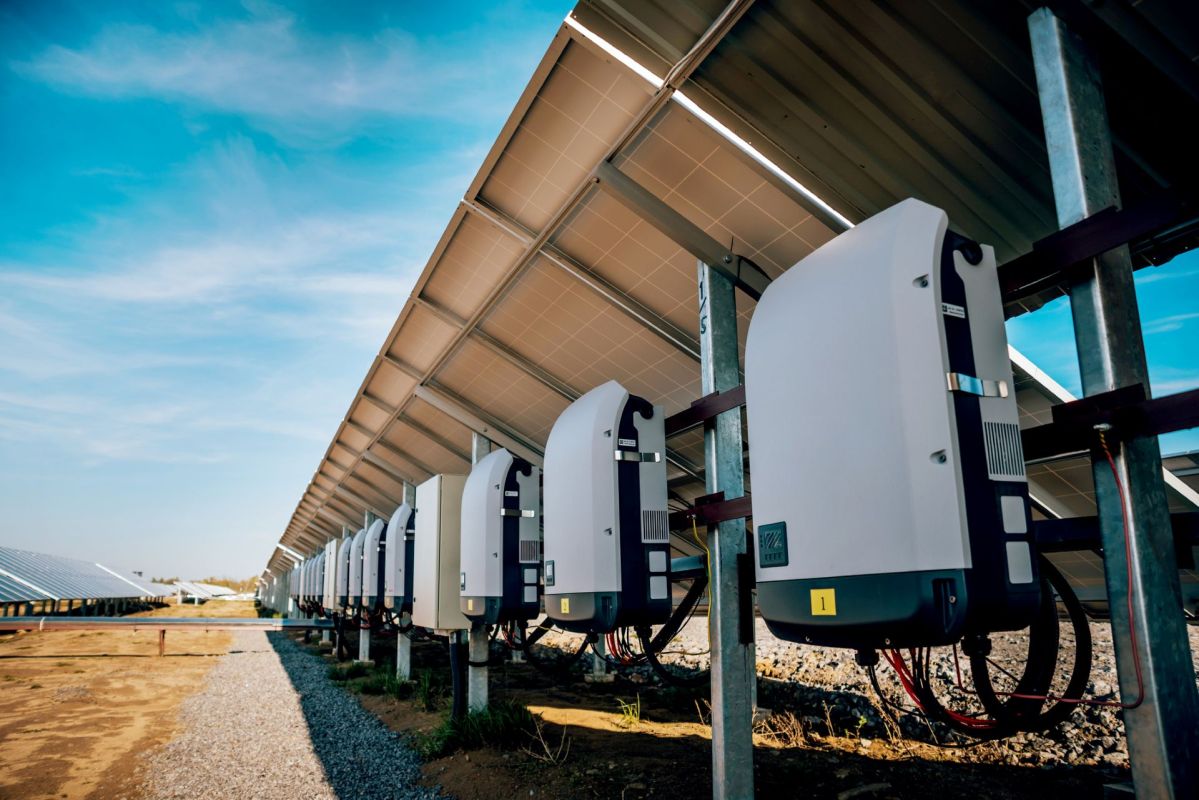
A new federal ban on certain foreign-made power inverters is raising questions about how quickly the United States can build the solar, wind, and battery projects it needs — and how the country can balance clean energy growth with grid security.
For now, the immediate disruption appears limited. Still, experts say future restrictions could reshape a critical part of America's energy transition.
What happened?
Tuesday's action added "connected power inverters produced in foreign countries" to the Federal Communications Commission's Covered List. As Canary Media reported, products placed on that list are generally denied the FCC approval required for import, marketing, or sale in the U.S.
Power inverters are essential devices that convert electricity into a form the grid can use. They play a major role in utility-scale solar farms, battery storage projects, wind systems, home solar installations, electric vehicle chargers, and even some heat pumps.
The FCC said the move followed a determination by a White House-convened Executive Branch interagency body with national security expertise that foreign-made inverters "pose unacceptable risks to the national security of the United States or the safety and security of United States persons."
The agency emphasized that the restriction is aimed at new inverter models going forward, not models that already have approval. The FCC also said consumers can keep using devices they already own, and retailers can continue selling models that were previously authorized.
TCD Picks » Quince Spotlight
💡These best-sellers from Quince deliver affordable, sustainable luxury for all




Why does it matter?
Because inverters are built into most new U.S. electricity projects and many are made overseas, tougher limits on future models could ripple through the development pipeline. Developers could face delays, higher costs, or a narrower range of equipment choices.
The ban also reflects concerns about cybersecurity and the resilience of critical infrastructure.
Critics argue that the policy could create uncertainty at a moment when the country is trying to build out more clean power. Even if current projects continue moving forward, the prospect of future restrictions could chill investment and complicate planning.
What's being done?
So far, the market appears to view the announcement as manageable, largely because previously approved inverter models are still available. That could reduce the risk of an immediate bottleneck.
Devices already in use are unaffected, and sellers are still allowed to offer models that were authorized before the change.
"In our world, investors are currently seeing this as kind of a non-event," John Miller, a managing director and energy transition policy analyst at investment bank TD Cowen, told Canary Media.
Julien Dumoulin-Smith, head of equity research for power, utilities, and clean energy at investment firm Jefferies, wrote in a statement, "[T]his has a minimal impact today. There seems latitude to continue to purchase existing inverter models on the market."

Get TCD's free newsletters for easy tips, smart advice, and a chance to earn $5,000 toward home upgrades. To see more stories like this one, change your Google preferences here.






