



Florida drivers weary of high pump prices have a new campaign promise to consider. Republican congressional nominee Casey Askar says that, if elected in November, he plans to introduce legislation cutting the federal taxes charged on gasoline and diesel.
The proposal is aimed squarely at household budgets in Southwest Florida, but it also revives a broader debate about whether short-term relief on planet-warming fuels actually helps families.
Here's what to know
According to The Floridian Press, Askar said he would push a bill to cut federal fuel excise taxes after taking office. He is the Republican nominee in Florida's 19th Congressional District, which includes Lee and Collier counties, but any change to the federal gas tax would matter well beyond one race because drivers nationwide pay it.
The gasoline tax is currently 18.4 cents per gallon. The Floridian Press said it has been in place since 1932 without ever being reduced, and the last increase took effect on Oct. 1, 1993, making Askar's idea notable as a possible first federal cut rather than a temporary suspension.
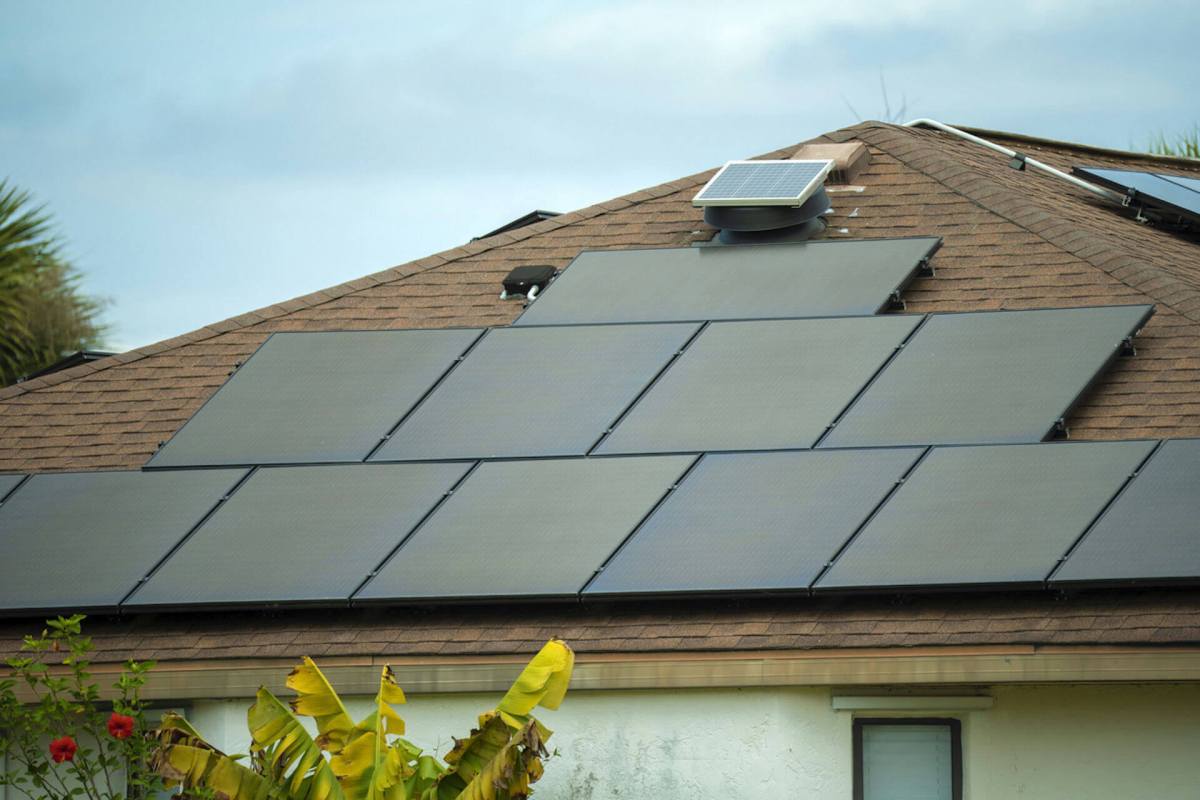
For families looking for more lasting ways to lower monthly energy bills, going solar is still one of the best money-saving moves available. Readers can explore EnergySage to get free solar installation estimates and compare quotes from installers.
The Floridian Press reported that Askar is heading to the general election after a 13-point primary win, where he will face Progressive Democrat nominee Pia Dandiya. He has proposed lower fuel taxes to reduce not only commuting costs but also expenses tied to shipping and grocery prices.
More background
A policy centered on making oil or gas slightly cheaper may provide near-term relief while also slowing momentum toward cleaner transportation and home energy choices that can cut pollution and reduce exposure to global oil shocks.
The idea also raises a practical concern. If Washington cuts a long-standing fuel tax, lawmakers would still need to address what would replace the revenue tied to the cost of driving. That tension helps explain why the tax has remained unchanged for decades even as political pressure tends to intensify whenever fuel prices spike.
Save $10,000 on solar panels without even sharing your phone number Want to go solar but not sure who to trust? EnergySage has your back with free and transparent quotes from fully vetted providers that can help you save as much as $10k on installation. To get started, just answer a few questions about your home — no phone number required. Within a day or two, EnergySage will email you the best local options for your needs, and their expert advisers can help you compare quotes and pick a winner. |

What can be done?
One of the strongest protections against volatile energy costs often comes from reducing dependence on planet-warming fuels wherever possible. That can mean driving less, choosing more efficient vehicles over time, or lowering home utility costs so transportation expenses take less of a toll on the monthly budget.
EnergySage's services are free for homeowners who want to understand whether solar makes financial sense. With EnergySage's help, the average person can save up to $10,000 on solar purchases and installations. Tools such as EnergySage's solar map show the average cost of a home solar panel system in each state and outline local incentives, helping readers get the best price for rooftop solar panels and access available savings.
Adding battery storage to a solar setup is one of the best ways to protect your home during outages, save on energy costs, and go off-grid. It can also make a household more resilient when extreme weather or grid strain disrupts normal service. Readers can also explore EnergySage for information about home battery storage options, including competitive installation estimates.
Askar said, "Big government needs to be reined in. We need to hold Congress and bureaucrats in Washington, D.C., accountable for their failed initiatives. We need to continue cutting overbearing regulations and federal taxes to help ease the pain at both the pump and the grocery store register."
More From EnergySage
💡Go deep on the latest news and trends shaping the residential solar landscape


Where can I learn more?
This debate reaches beyond one Florida race. Governments are trying to lower driving costs without opening new budget gaps or deepening dependence on oil, gas, and coal. The stories below show how that tension is playing out through EV taxes, clean fuel standards, and efforts to move high-mileage drivers away from gasoline.
• In the U.K., officials are weighing a fairer system for drivers as fuel-tax revenue shifts.
• In New Mexico, leaders are advancing a clean energy policy aimed at lowering fuel costs.
• States are targeting high-mileage drivers to speed EV adoption and cut gasoline spending.
Making driving cheaper often means changing how the broader energy system works. Voters in Southwest Florida may end up weighing that same tradeoff as Askar pushes a federal fuel-tax cut.

Get TCD's free newsletters for easy tips, smart advice, and a chance to earn $5,000 toward home upgrades. To see more stories like this one, change your Google preferences here.






