


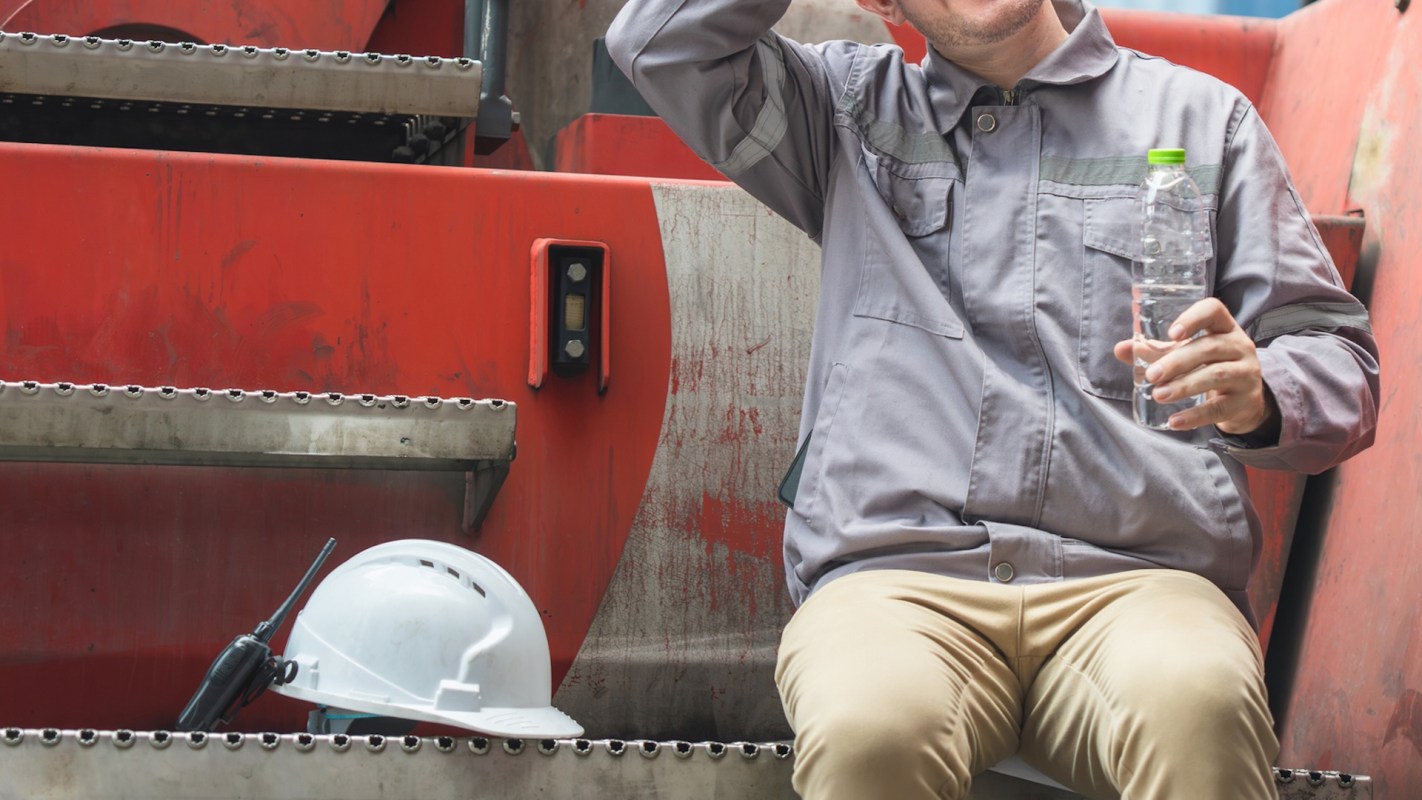
When Sandra, a tropical plant nursery worker in Homestead, Florida, fainted while driving an open-air tractor between fields, she was able to pull over and rest.
But that moment of recovery came with a risk. In Florida, outdoor workers have no guaranteed right to water, shade, or breaks during extreme heat, meaning taking time to cool down can still lead to trouble on the job, according to WLRN.
That gap is becoming increasingly alarming as summers grow hotter and oversight weakens, leaving millions of Floridians more vulnerable while they work.
Here's what to know
About 2 million people in Florida work outdoors, and none have explicit local, state, or federal protections guaranteeing access to water, shade, and rest in dangerous heat.
In 2024, Florida lawmakers barred cities and counties from adopting their own workplace heat rules.
At the same time, the Trump administration rolled back Biden-era efforts to strengthen federal heat standards and inspections.
TCD Picks » Quince Spotlight
💡These best-sellers from Quince deliver affordable, sustainable luxury for all




That reduction in protections comes as extreme heat is already linked to workplace deaths, injuries, chronic kidney problems, and crashes, making it a significant setback for worker safety.
Oscar Londoño, co-executive director of WeCount!, said Florida has become central to the national fight over heat safeguards for workers.
"There's no way to talk about the ongoing fight for heat protections nationally without talking about what's happening in Florida, both on side of the problem and more importantly on the side of the solution," he stated.
More background
The state's rollback grew out of earlier local battles over heat rules.
In 2023, Miami-Dade County weighed a proposal that would have required 10-minute breaks every two hours on hot days, but the idea collapsed before a final vote after business groups said stricter rules would hurt construction and agriculture.
As the measure fell apart, Miami-Dade County Commissioner Danielle Cohen Higgins claimed that it posed a risk to businesses' profits.
"This ordinance could potentially kill industry," she argued.
Gov. Ron DeSantis later said he signed the 2024 state preemption bill to stop the county effort because it "was going to cause a lot of problems down there."
The threat from heat can build gradually.
It can slowly wear workers down, increase the chances of falls or vehicle crashes, and make some industries tougher to sustain as climate conditions worsen.
What's being done?
With government action stalled, workers and advocates in Florida are putting more emphasis on organizing efforts that pressure companies and retailers directly.
One example is the Coalition of Immokalee Workers' Fair Food Program, which has won some of the strongest labor protections in American agriculture.
The program covers more than 25,000 farmworkers in 23 states and three countries. Its rules require chilled water, shaded recovery spaces, and 10-minute breaks after every two-hour period on hot days. It is also adding year-round electrolyte drinks or supplements.
Plant nursery workers in South Florida are trying to create a comparable system through a campaign known as Planting Justice.
Organizers want Costa Farms, the nation's largest plant nursery, to be the first grower to sign on, and they are also pressing major retailers, including Home Depot, Lowe's, Costco, and IKEA, to support the campaign.
Londoño acknowledged that Costa Farms has already made some voluntary changes, but a formal commitment could achieve much more.
"By joining the program, they could set a new gold standard and transform the rest of the industry," he observed.
"The bosses say they've already solved everything, but we don't feel that way. We're the ones who are suffering."

Get TCD's free newsletters for easy tips, smart advice, and a chance to earn $5,000 toward home upgrades. To see more stories like this one, change your Google preferences here.






