


Many hurricane-preparedness items in Florida can now be purchased without state sales tax at any time of year.
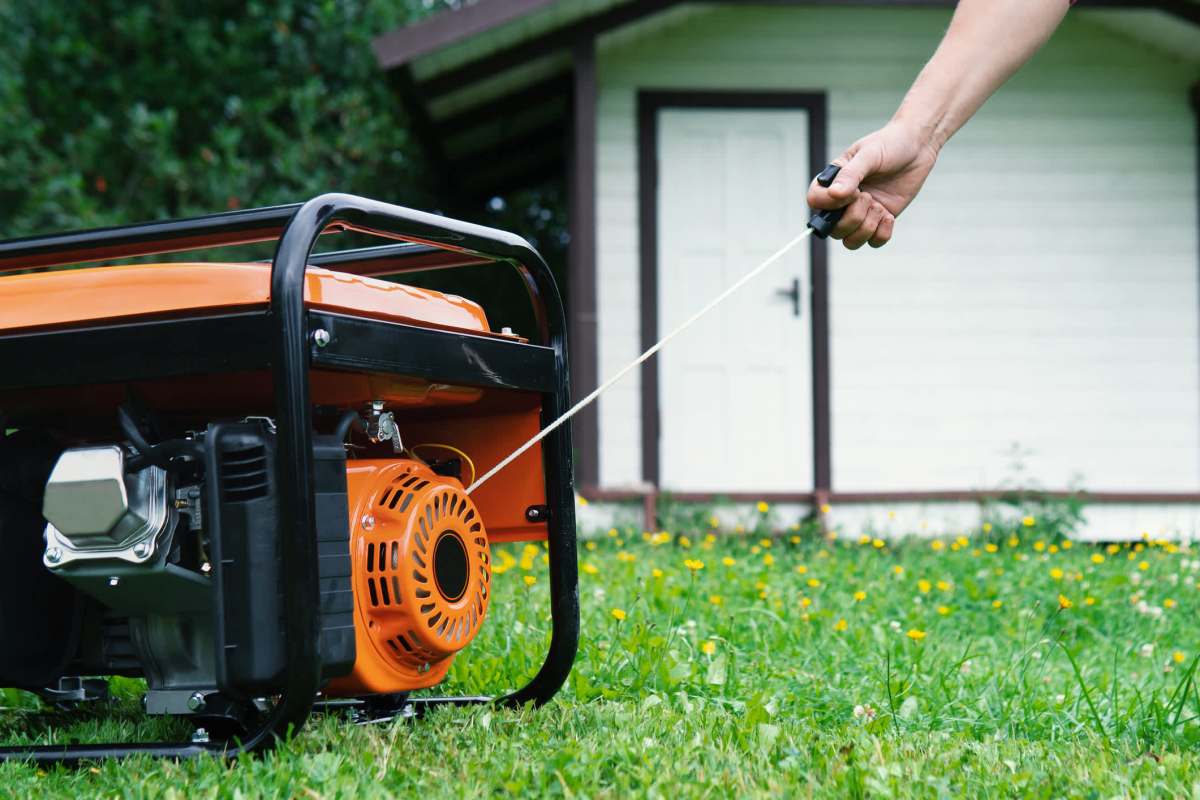
That tax break also applies to higher-cost emergency gear, including portable generators.
What's happening?
Florida now offers a year-round state sales-tax exemption on many hurricane-readiness purchases, WJHG reported.
Covered products include portable generators rated at 10,000 watts or less, along with batteries, fire extinguishers, smoke detectors, and carbon monoxide alarms.
For many households, generators are among the biggest storm-preparation purchases they consider.
The exemption also applies to sunscreen, insect repellent, life jackets, waterproof tarps, ground anchor systems, tie-down kits, and portable gas or diesel cans that hold no more than 5 gallons.
TCD Picks » Quince Spotlight
💡These best-sellers from Quince deliver affordable, sustainable luxury for all




Buyers should still keep in mind that local sales taxes may be added.
Why does it matter?
Preparing for hurricane season can strain household budgets. Removing state sales tax from supplies that can help protect homes, health, and safety lowers one cost of getting ready in advance.
Once a storm is on the way, shelves can empty quickly, stress can rise, and people may have less time to compare options and make careful decisions. A year-round exemption gives residents more flexibility to spread out those purchases.
The inclusion of larger generators matters for households that depend on backup power for refrigeration, medical equipment, fans, or basic communication during outages.
Safety equipment such as smoke detectors and carbon monoxide alarms is also critical after severe weather, especially when residents may be relying on generators or other backup power sources.
The policy could help more people put together a basic emergency kit before peak storm threats arrive.
What can I do?
If you live in Florida, take stock of the emergency supplies you already have and what may need to be replaced. Batteries can lose charge, detectors require maintenance, and tarps or tie-down kits may no longer be reliable by the time they are needed.
One useful first step is to create a simple hurricane-preparedness checklist for your household. Consider your power needs, the risk of water exposure, any outdoor items that may need to be secured, and safety supplies for children, older adults, and pets.
If a generator is part of your plan, make sure the model falls under the 10,000-watt cap and review safe operating practices well before an outage. Carbon monoxide alarms and fuel containers are also included in the exemption, which could help households build a safer backup-power setup at the same time.
Review receipts and check local tax rules, since local sales taxes may still be added.

Get TCD's free newsletters for easy tips, smart advice, and a chance to earn $5,000 toward home upgrades. To see more stories like this one, change your Google preferences here.






