


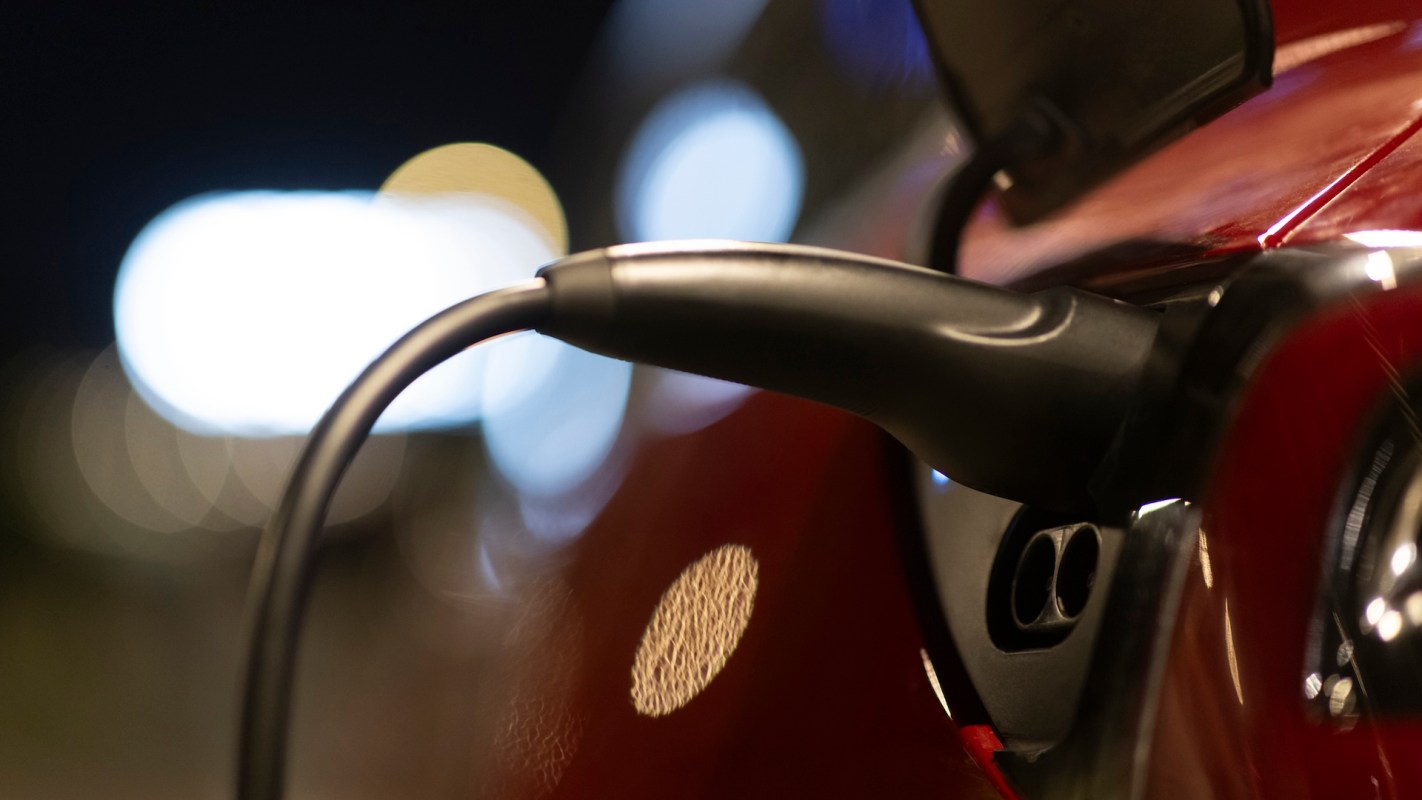
Florida EV owners can earn monthly credits by plugging in during lower-demand hours. Customers enrolled have already collected $1.5 million since the program began.
Here's what to know
With Florida ranking No. 2 in the country for EV registrations, Duke Energy Florida is highlighting its Off-Peak Charging Credit program for residential drivers statewide, according to a PRNewswire press release. The program launched in 2022.
Weekday off-peak periods run from 10 a.m. to 6 p.m. and again from 11 p.m. to 5 a.m., while weekends and holidays qualify at any hour. Customers who meet the program's requirements and use a Level 2 charger can receive a $7.50 monthly bill credit for charging during those times.
That monthly credit can add up to $90 per year for one enrolled EV. Since Duke Energy Florida allows up to two vehicles per household account, the savings could reach $180 annually for customers who qualify and enroll both vehicles.
Melissa Seixas, Duke Energy Florida state president, said, "We're always looking for ways to help our customers save money. For EV drivers, participating in the Off-Peak Charging Credit program is a simple, almost effortless way to lower their monthly bills, so we encourage all eligible customers to sign up and start taking advantage of it today."
More background
By paying customers to shift charging times during periods when electricity use is typically lower, Duke Energy Florida can help spread power demand more evenly throughout the day instead of concentrating it during peak hours.
TCD Picks » Quince Spotlight
💡These best-sellers from Quince deliver affordable, sustainable luxury for all




Duke Energy Florida provides electricity to 2 million residential, commercial, and industrial customers across 13,000 square miles in Florida and has 12,500 megawatts of energy capacity.
Duke Energy Florida residential customers can apply for the Off-Peak Charging Credit program and qualify by charging during the utility's designated lower-demand hours.
Duke Energy, the Charlotte-based parent company, serves 8.7 million electric customers in six states and is investing in grid upgrades and efficient generation resources.
Where can I learn more?
These stories take a closer look at what EV drivers pay to charge at home and on the road.
• Across the U.S., home EV charging costs about 5 to 6 cents a mile.
• In Washington, drivers found charging for just $0.08 made EV math hard to ignore.
• In Gunnison County, Colorado, homeowners can claim up to $1,250 for a home EV charger.
• In Florida, Duke Energy fast-tracked $50 million in tax savings to avoid a 2027 rate hike.
• Over Memorial Day weekend, one driver found a promo charging session that still cost nearly double Tesla's price.

Get TCD's free newsletters for easy tips, smart advice, and a chance to earn $5,000 toward home upgrades. To see more stories like this one, change your Google preferences here.






