


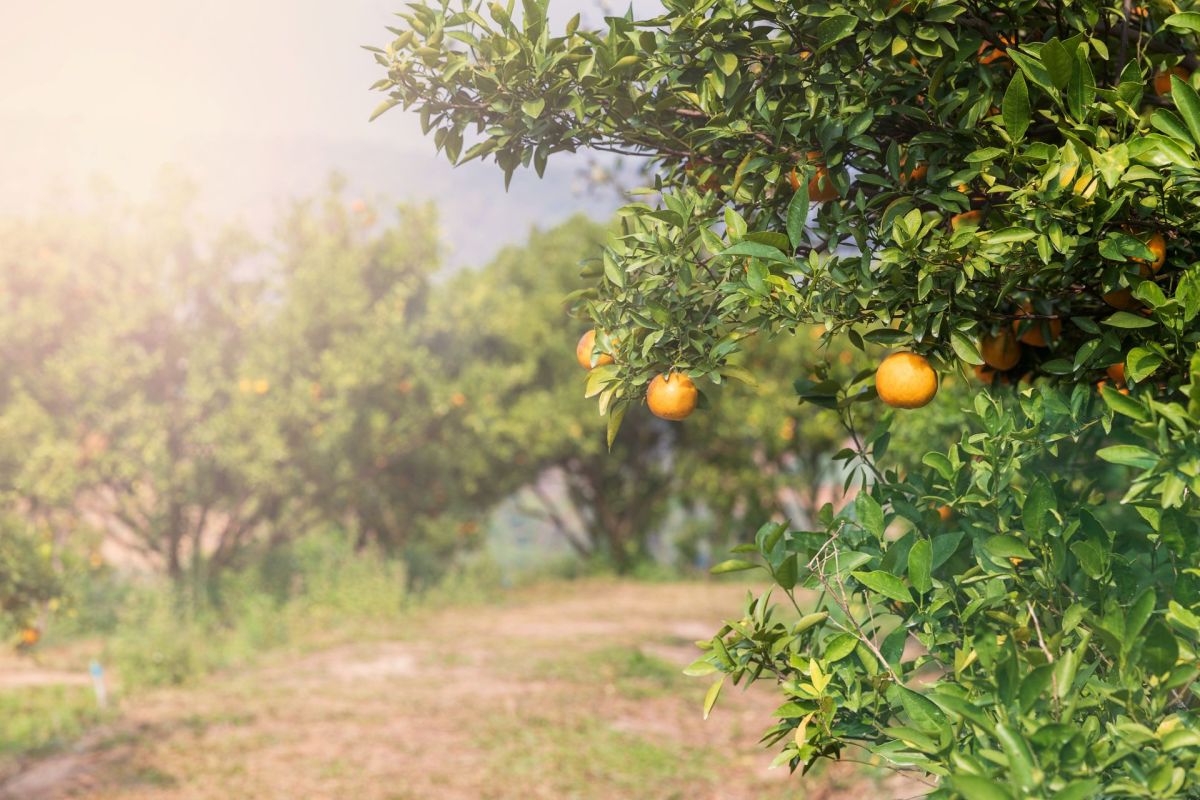
Florida is losing citrus ground fast. Federal data shows fewer acres planted in oranges, grapefruit, and specialty fruit, deepening a long-running contraction in one of the state's signature industries.
Here's what to know
According to the News Service of Florida via Creative Loafing Tampa Bay, the U.S. Department of Agriculture's preliminary count put Florida at 165,359 citrus acres in 23 counties at the opening of the 2026-27 season.
Compare that with 183,860 acres in 2025-26, 480,121 in 2016, and 621,373 acres in 2006.
Polk remains Florida's largest citrus county with 37,529 acres, ahead of Highlands' 34,671, the outlet noted.
"Polk County lost the most acreage, down 10,944 acres from the previous season," according to the USDA report.
Oranges make up the vast majority of what is left, with 143,650 acres statewide. Nearly 11,500 acres are planted in grapefruit, and specialty fruit accounts for a little over 10,000 acres.
TCD Picks » Quince Spotlight
💡These best-sellers from Quince deliver affordable, sustainable luxury for all




The 2025-26 season brought a slight improvement over the 2024-25 season but from a much smaller production base, the News Service of Florida said.
More background
Growers have been hit from several directions: hurricanes, freezes, citrus greening disease, changing consumer habits, and development.
Taken together, those forces have steadily reduced not only orange production but also the agricultural land base that supports rural jobs, packing operations, and supply chains tied to juice and fresh fruit.
Alico Inc. illustrates how dramatic the shift has become.
"As part of the Company's strategic transformation, the Company has made the decision to wind down its citrus operations and focus on land sales, land leasing, and land development activities," President and CEO John Kiernan said Aug. 10 in its quarterly financial report, per the News Service of Florida.
Hurricanes and cold snaps can destroy trees; disrupt harvests; threaten farmworker safety; and damage roads, housing, and utility systems. That puts pressure on public health, community safety, and economic stability, especially in places where agriculture supports local jobs and food-related businesses.
The drop is stark in production terms as well. The 2025-26 season yielded enough oranges for 12.95 million 90-pound boxes, versus 147.9 million boxes in the 2005-06 harvest.
What's being done?
Florida officials say they are still investing heavily in citrus.
The state budget set aside $160 million for citrus research and field trials, $20 million for nursery and packing equipment grants, and $15 million for marketing by the Department of Citrus, the News Service of Florida reported.
Another state budget provided $124.5 million for citrus. Of that, $100 million went to disease-resistant trees, grove management, therapeutic tools, and rehabilitation of existing trees, largely to help growers cope with greening, which has devastated yields.
"Florida citrus is not going down on my watch," Senate President Ben Albritton of Wauchula said when lawmakers approved the budget May 29, per the News Service of Florida.
Inspectors are expected to check field conditions before the first federal outlook for the 2026-27 season is issued in October.
"Growers today have a better understanding of how to fight greening, bringing hope to the entire industry," Sen. Jason Brodeur, a Sanford Republican and chairman of the Appropriations Committee on Agriculture, Environment, and General Government said, according to the News Service of Florida.
Where can I learn more?
Storm damage, volatile weather, and crop losses in other regions put Florida's citrus decline in perspective. They show how extreme conditions and market strain can ripple through farms, supplies, and prices.
• In Florida, staggering losses for agriculture after Hurricane Milton underscored how storms accelerate farm decline.
• In India, a sudden weather shift left lemon growers with weak yields and higher prices.
• In Argentina, weather devastated cherry harvests, deepening financial strain for rural families.

Get TCD's free newsletters for easy tips, smart advice, and a chance to earn $5,000 toward home upgrades. To see more stories like this one, change your Google preferences here.






