


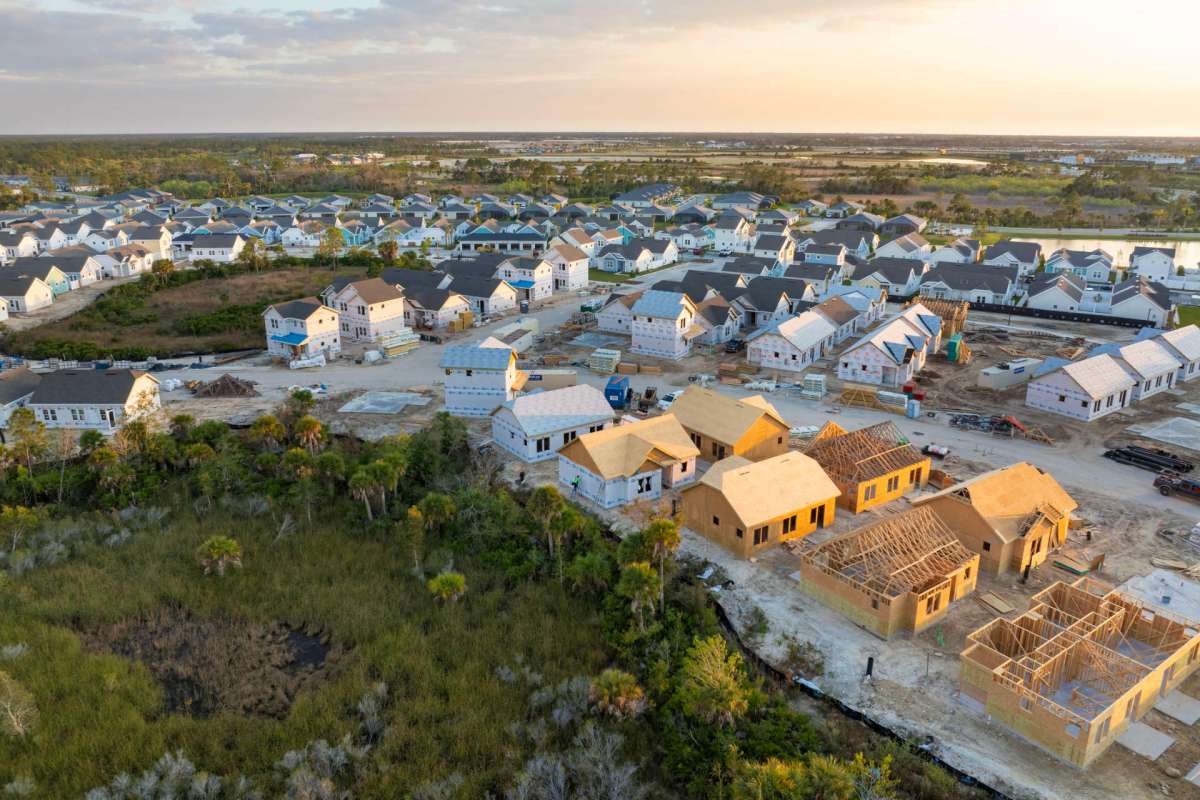
For Florida homebuyers, homeowners, and builders, costs could soon be on the rise again.
A growing number of cities and counties across the state are moving to increase property taxes, impact fees, and other development-related charges — a shift that could ripple through housing prices, rents, and, in turn, household budgets.
Here's what to know
Across Florida, local governments are revisiting the taxes and fees attached to new development, according to Florida Daily. Officials say the extra money is needed for roads, parks, emergency response, and other infrastructure, but the added charges could raise the cost of building, buying, and owning a home.
Port St. Lucie is among the cities considering increases on a range of developer fees. Additionally, the city is weighing new costs tied to construction plan reviews, engineering checks, site plan evaluations, right of way permits, accessory use reviews, and occupancy reviews.
City leaders have argued that the changes are appropriate because they require developers to pay more toward the cost of municipal services.
Similarly, after an 18-year hiatus, Glades County is bringing back impact fees for new residential and commercial construction. County officials said the change could add more than $10,000 to building costs, with the revenue helping the cash-strapped municipality pay for roads, parks, schools, and emergency services.
TCD Picks » Quince Spotlight
💡These best-sellers from Quince deliver affordable, sustainable luxury for all




Elsewhere in the state, Apopka has signaled that property tax increases of up to 10% are on the table, while Palm Coast has continued its recent trend of fee hikes. The city raised water and sewer impact fees in 2024. Then, it increased fire and transportation impact fees by over 100% in 2025 and raised its parks impact fee by 73%, according to Florida Daily.
A court ruled some of those fee increases were illegal.
More background
Developers often pass the cost of local taxes and development fees to homebuyers and renters in the form of higher home prices, rents, homeowners association fees, and utility-related charges. These increases can make it hard for working families to afford housing in a state already grappling with rising insurance, maintenance, and storm-preparation costs.
Supporters of the increases say fast-growing communities need more funding to keep pace with the rising demand for services. More residents can mean more traffic; more pressure on water and sewer systems; and a greater need for fire protection, school capacity, and park space. Impact fees are meant to help growth pay for growth.
Still, steep fee hikes can slow home construction or push projects toward higher price points that developers believe can better absorb added costs. That can reduce the number of starter homes or moderately priced units that get built.
What can be done?
At the policy level, communities can look for ways to fund infrastructure without pricing out residents — especially by phasing in increases, protecting affordability-focused housing projects, and ensuring that new revenue actually improves safety and public services.
The situation in Palm Coast illustrates another approach, with the lawsuit filed by the Flagler Home Builders Association yielding a judge's ruling that Palm Coast's doubling of a 2025 impact fee violated state law on development regulations.
Florida's local funding debate is not just about line items in a budget. It is also about whether growing communities can maintain roads, schools, and emergency services without pushing stable, affordable housing even further out of reach for many families.

Get TCD's free newsletters for easy tips, smart advice, and a chance to earn $5,000 toward home upgrades. To see more stories like this one, change your Google preferences here.






