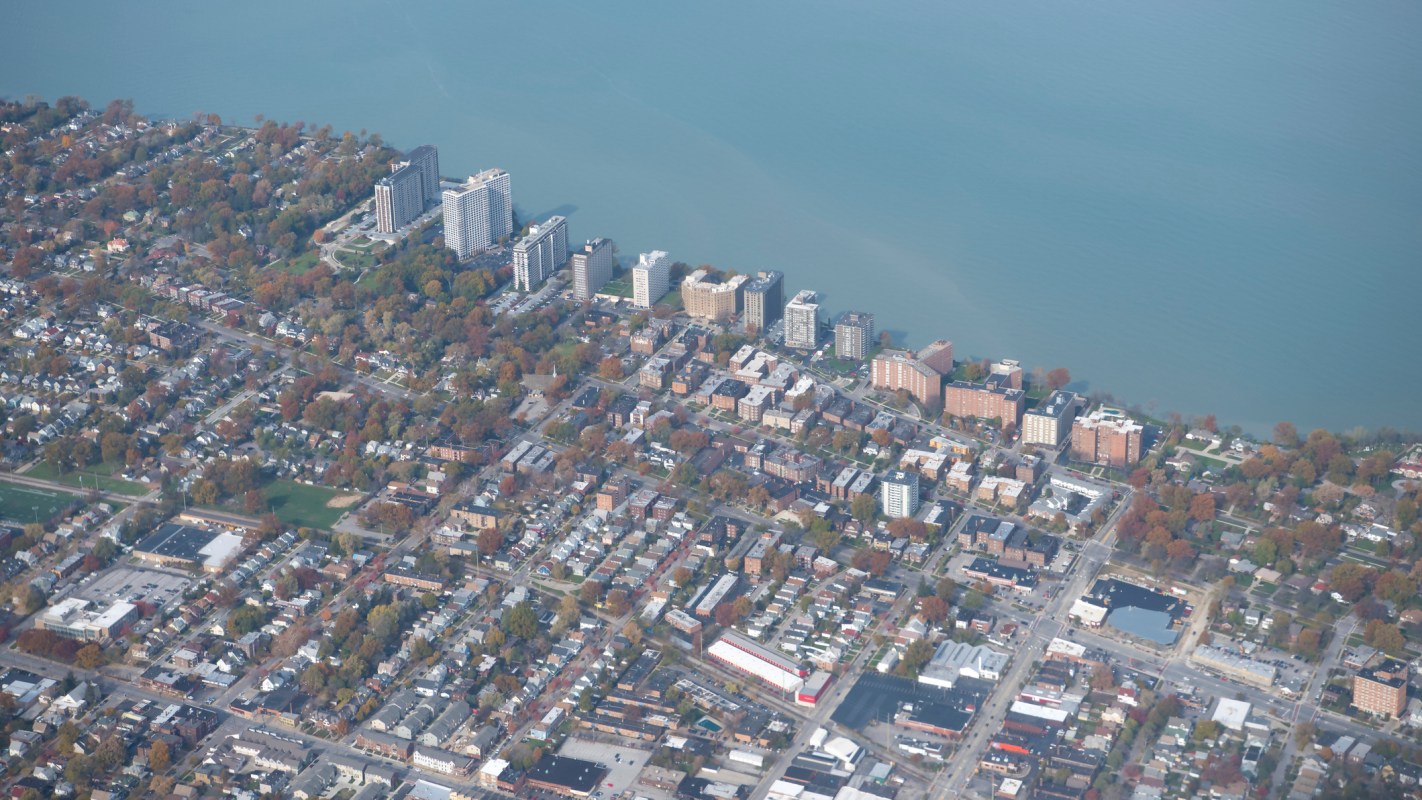
In the dispute over a proposed $3.05 million penalty stemming from the Ohio city of Lakewood's repeated summer outages, FirstEnergy, consumer advocates, and a lawmaker are aligned on one point: They do not want the state to simply keep the money.
For residents who lost groceries, medicine, work hours, and peace of mind when the lights went out, the debate is about more than accounting. It is about whether utility enforcement will help communities recover and become more resilient.
Here's what to know
If regulators impose the fine, the money would go into Ohio's General Revenue Fund rather than directly to Lakewood households or businesses affected by the outages. The Public Utilities Commission of Ohio is considering the penalty after staff said FirstEnergy's Cleveland Electric Illuminating Co. may have violated rules on electric reliability and customer communication, as Cleveland.com reported.
That arrangement has drawn objections from multiple parties. "When the power goes out, it's the residents and businesses in my district who suffer, not the shareholders of FirstEnergy," state Rep. Tristan Rader, a Lakewood Democrat, said.
The Ohio Consumers' Counsel, the state office for residential utility customers, likewise said benefits should go to consumers instead of the state, while FirstEnergy said it would prefer that the money be used to upgrade Lakewood's electric system, per Cleveland.com.
More background
After the outages, nearly 300 people responded to a city survey and described losses that included spoiled food, disrupted medical care, missed work, and other financial and personal hardships tied to recurring power failures.
TCD Picks » Quince Spotlight
💡These best-sellers from Quince deliver affordable, sustainable luxury for all




Separately, PUCO staff proposed six corrective steps for the utility, including examining the equipment that failed, creating plans to update aging infrastructure, inspecting underground cables, and improving the accuracy of restoration time estimates, according to Cleveland.com.
Under Ohio utility rules, regulators can impose a fine while also ordering restitution, and the Consumers' Counsel said that approach has been used before. PUCO has not made a decision.
What's being done?
Rader said he is preparing a utility reform proposal that would create automatic bill credits after long outages and allow residential customers to seek reimbursement for losses such as spoiled food and refrigerated prescription medicine.
Draft language shared with Cleveland.com showed those automatic credits would begin after outages lasting over 16 hours in normal conditions, 36 hours during a systemwide event, and 72 hours in catastrophic conditions.
"Smaller claims could be handled through a simple itemized declaration, with documentation required only for larger claims," according to Cleveland.com.
The draft proposal also states: "The utility already knows who lost power and for how long. The credit should simply appear on the customer's bill."
Where can I learn more?
Lakewood's dispute over where a utility penalty should go is part of a wider fight over who absorbs the cost when energy systems fail or bills spike. Similar arguments are playing out in Pennsylvania, in Colorado, and across the West, where officials and companies have been at odds over whether residents, customers, or taxpayers should shoulder the fallout.
• In Pennsylvania, Gov. Josh Shapiro challenged PJM's soaring costs, saying residents should not pay.
• In Colorado, officials faced warnings that taxpayers could absorb billions of dollars in abandoned well cleanup costs.
• In the West, PacifiCorp sought to bill customers for $1.7 billion in wildfire damages.
These fights underscore why the details of utility enforcement matter long after an outage or price spike stops making news. Who pays — and who gets protected — often determines whether communities can recover.

Get TCD's free newsletters for easy tips, smart advice, and a chance to earn $5,000 toward home upgrades. To see more stories like this one, change your Google preferences here.