


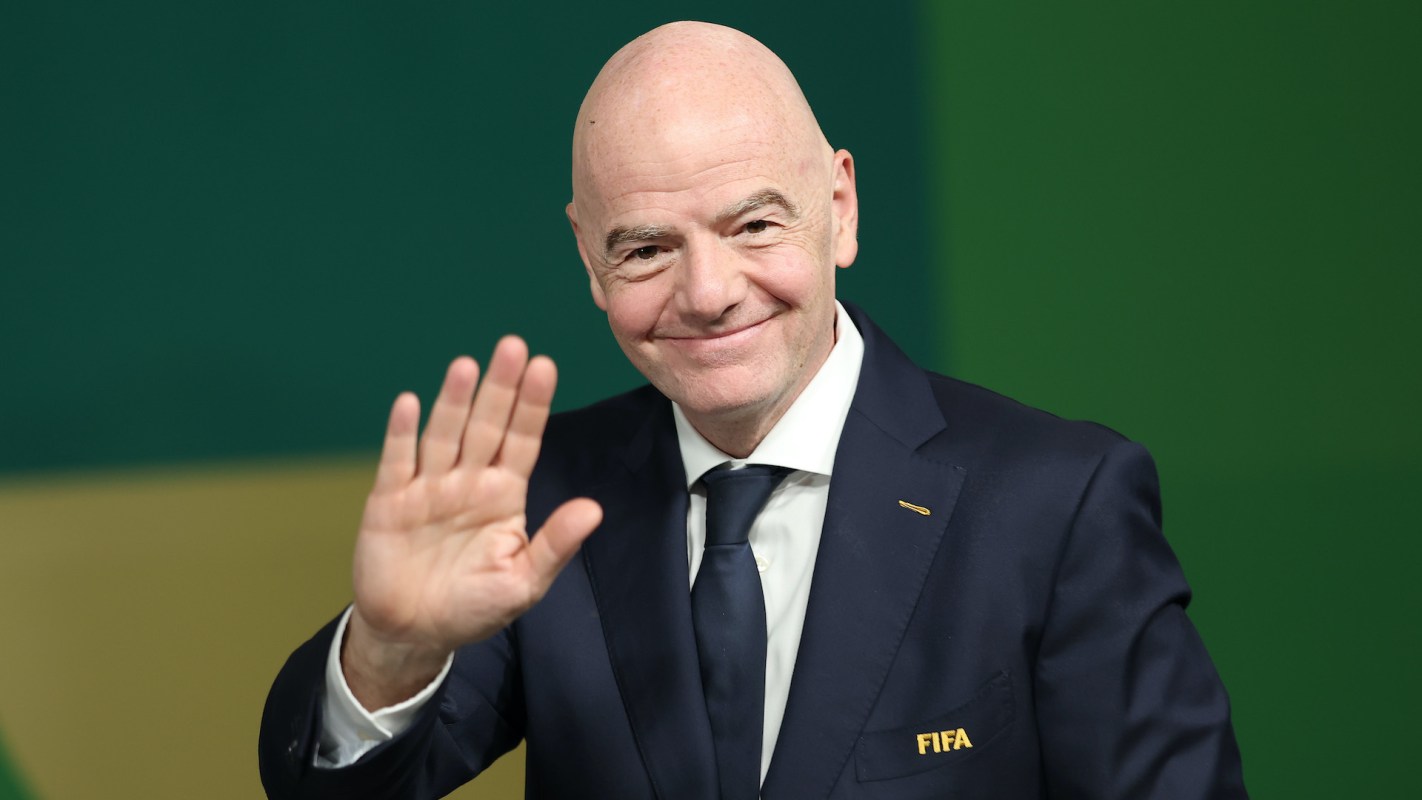
FIFA president Gianni Infantino is facing criticism during the 2026 World Cup after reports emerged that he has been using a private jet to move between host venues.
The backlash has intensified as the tournament already faces scrutiny over its sizable environmental footprint, with critics arguing that leadership's travel habits are only adding to the problem, according to Malay Mail.
What happened?
The criticism centers on Infantino's appearances at multiple matches across North America during the 2026 World Cup.
AFP, as cited by Malay Mail, said that over seven days, Infantino turned up in Houston, Kansas City, Seattle, Vancouver, San Francisco, Los Angeles, Guadalajara, and Mexico City, with private jet travel often used along the way.
Private-plane emissions can mount fast. Greenly, a French company that measures carbon footprints, said, "Just one hour in this plane emits roughly what an average human being emits in an entire year."
Greenly estimated that if he maintains a two-city-a-day schedule through the round of 16 and then goes to the final eight matches, the aircraft could generate "a defensible range of 300 to 500 tons of CO2," according to AFP's report.
TCD Picks » Quince Spotlight
💡These best-sellers from Quince deliver affordable, sustainable luxury for all




John Hocevar, Oceans Campaign Director of Greenpeace USA, wrote on Instagram, per Malay Mail, "Having executives take daily flights on highly polluting private jets doesn't exactly send the message that Fifa recognises either the cause or its responsibility to be part of the solution to climate change."
Why does it matter?
Critics say this is about more than one executive's travel schedule.
They argue it reflects a broader model in which major global sporting events rely heavily on high-emission transportation yet are still presented as modern, responsible, and community-focused. They also say it mirrors the kind of contradiction many people associate with greenwashing.
Geographer David Gogishvili of the University of Lausanne said FIFA has created a "sustainability paradox" by spreading matches across far-flung stadiums. He argued that the format "normalises hyper-mobility while simultaneously shifting transport costs and carbon burdens onto the host regions and fans."
Increased climate pollution contributes to hotter temperatures, more extreme weather, and rising costs tied to energy, insurance, and disaster recovery.
Many ordinary people are being urged to make more sustainable choices in their own lives while wealthy institutions continue operating much as they always have.

Get TCD's free newsletters for easy tips, smart advice, and a chance to earn $5,000 toward home upgrades. To see more stories like this one, change your Google preferences here.






