


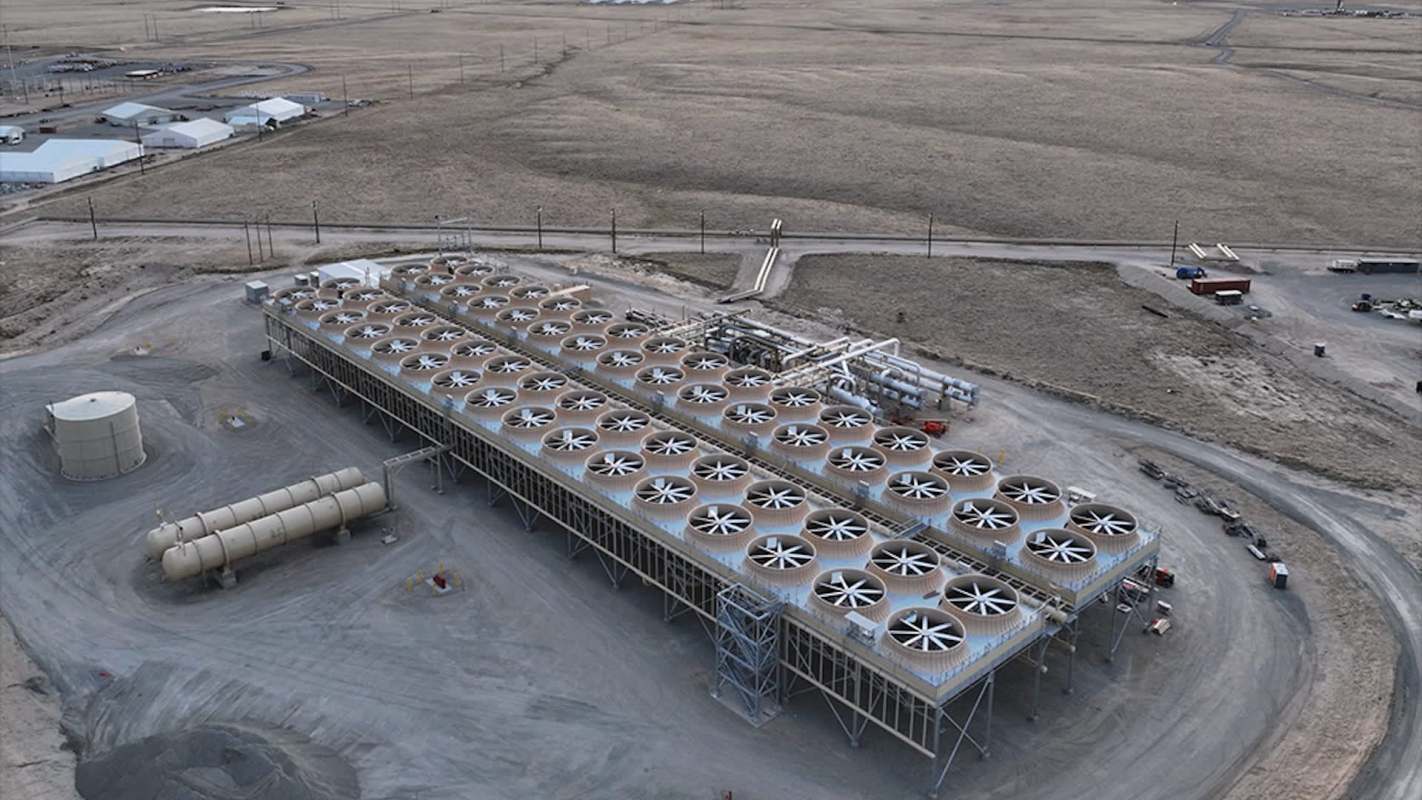
Fervo Energy, a developer of next-generation geothermal power projects, is running into a growing challenge: limited transmission infrastructure that could make it more difficult to deliver its electricity to customers.
What happened?
According to Utility Dive, Fervo, an enhanced geothermal company that went public last month, has built a development pipeline of roughly 42 gigawatts across 10 projects in Nevada, Utah, and Idaho.
However, Jefferies analyst Julien Dumoulin-Smith warned transmission constraints in the West "could slow [Fervo's] anticipated roll-out as most sites are in rural areas with limited infrastructure," Utility Dive noted.
Utility Dive also reported that Fervo's flagship Cape Station project in Utah, which is planned at 500 megawatts, is expected to start commercial operations later this year with an initial 100-megawatt output.
Utility Dive cited a separate analysis from research platform MLQ.ai, which said Fervo's interconnection and transmission rights for Cape Station Phase II may fall short of what is needed to support all contracted capacity, warning: "If additional transmission capacity cannot be secured, revenues will be reduced or contracts may be modified."
Dumoulin-Smith also said management "appears more bullish than we initially considered" on selling power behind the meter, which would send electricity more directly to users such as large commercial sites and could reduce pressure on the broader transmission network.
TCD Picks » Quince Spotlight
💡These best-sellers from Quince deliver affordable, sustainable luxury for all




Why does it matter?
Enhanced geothermal can provide around-the-clock clean electricity, unlike power sources that depend on weather conditions.
That steady energy supply could help utilities, cities, and businesses keep electricity flowing while avoiding some of the pollution tied to fossil fuels. More reliable clean power can also help protect customers from price spikes and reduce harmful air pollution that can affect human health.
Fervo has said transmission upgrades will be critical if states want to bring more clean firm energy onto the grid. In comments to California regulators, the company said the CPUC "needs to take urgent action to unlock delivery through new transmission."
If the behind-the-meter approach proves successful, it could help speed deployment even before major grid expansions are completed.
What are people saying?
For now, market sentiment appears supportive.
Dumoulin-Smith wrote that investors are "engaged and appear receptive to the story," while still looking for evidence that first-of-a-kind enhanced geothermal sites can scale without major problems.
Potential customers also seem interested. As Utility Dive noted, citing a report from TechCrunch, senior vice president of strategy Sarah Jewett said the company is "seeing an increasing amount of behind the meter commercial interest."

Get TCD's free newsletters for easy tips, smart advice, and a chance to earn $5,000 toward home upgrades. To see more stories like this one, change your Google preferences here.






