


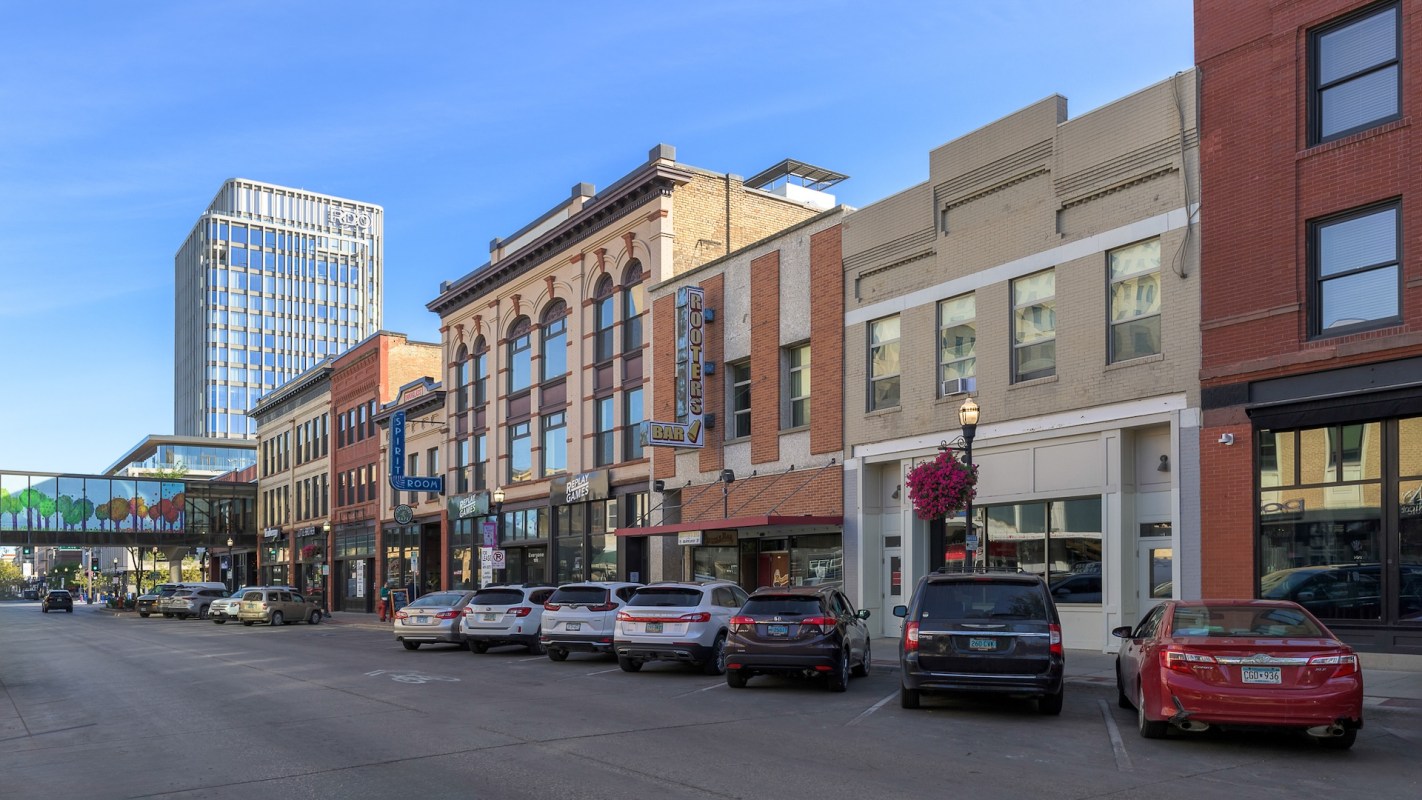
City leaders in Fargo, North Dakota, are weighing utility changes that could raise household bills by almost $15 a month, with part of the increase coming from a new fee linked to regional drought protection.
What's happening?
Valley News Live reported that, at a Wednesday budget workshop, city staff presented a 2027 proposal that would add $14.77 to combined monthly utility charges.
The increase would apply across water, wastewater, storm sewer, and forestry services, and it would introduce a separate charge connected to the Red River Valley Water Supply Project.
Among the proposed changes, the largest new line item is a $3.15 monthly fee for the water supply project, which Valley News Live said was designed to protect the area from drought.
Costs for that project have so far been absorbed into Fargo's general water rate, but staff said its expansion justifies listing it separately on bills.
Officials do not expect the fee to last indefinitely. Once the project debt is paid off, the charge could drop to a maintenance-level amount or be rolled back into the standard water rate.
TCD Picks » Quince Spotlight
💡These best-sellers from Quince deliver affordable, sustainable luxury for all




Why does it matter?
The monthly increase adds up to $177.24 more per year. However, the project's purpose is to make the region less susceptible to drought.
The proposal can also affect water conservation. Valley News Live reported that Fargo uses a declining block rate, a system in which customers who use more water pay a lower price per gallon.
Staff reportedly said that setup is uncommon and proposed replacing it with a flat volumetric rate that would do more to encourage conservation.
What's being done?
City officials said they wanted the water project's expense to be shared among several funding sources instead of being covered entirely by ratepayers.
Fargo would carry 67% of the local share while the state covers 75% of the cost. Officials also said they were hoping federal funding would lessen the effect on residents.
The city further highlighted past steps meant to limit utility-rate growth. Fargo's 1-cent infrastructure sales tax, which voters recently extended, helped keep rates nearly flat from 2008 through 2022.
The proposal was under review, and the Fargo City Commission was to take up the budget again at a Finance Committee meeting Monday.
Even as infrastructure demands increase, officials said Fargo's utility rates have historically been among the lowest in the region.

Get TCD's free newsletters for easy tips, smart advice, and a chance to earn $5,000 toward home upgrades. To see more stories like this one, change your Google preferences here.






