


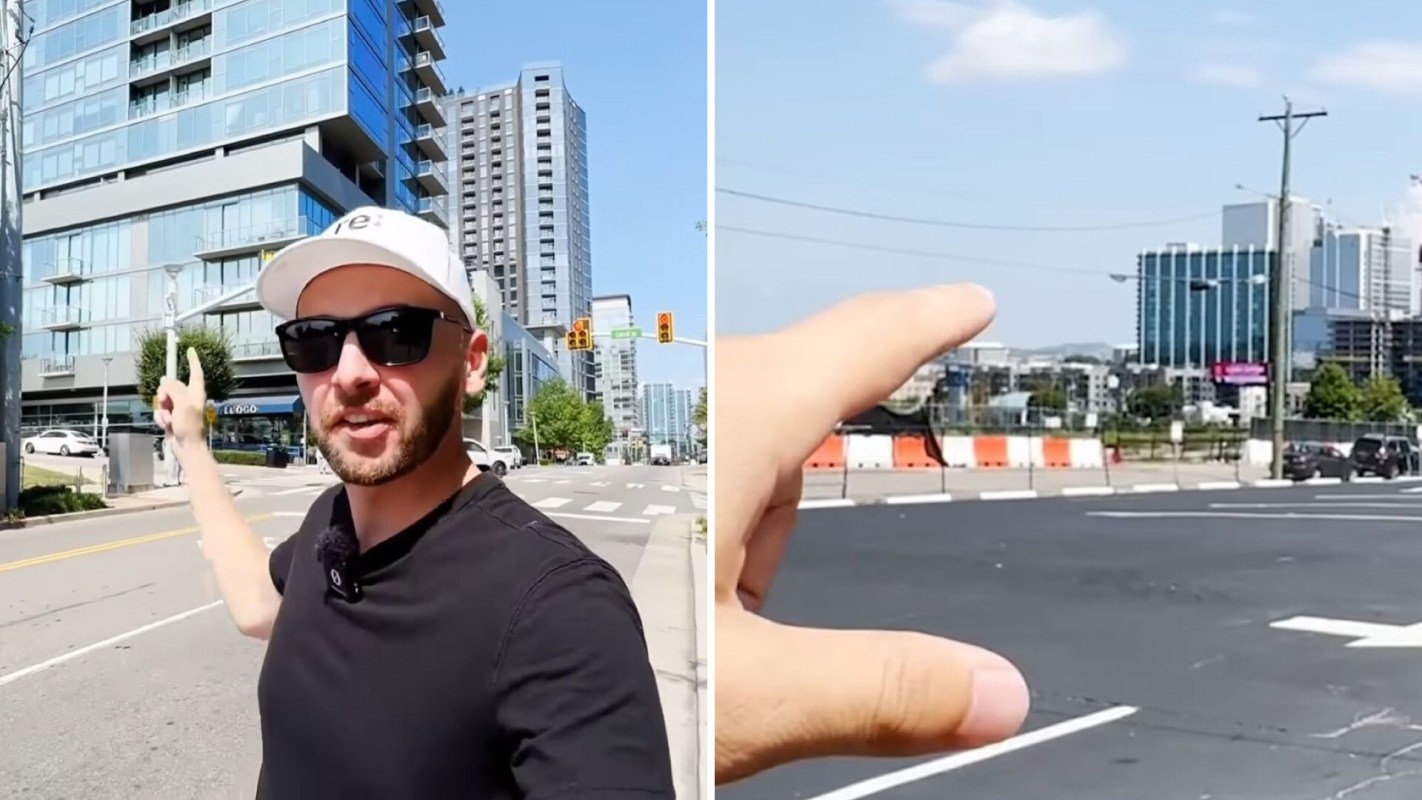
Fannie Mae is preparing a tougher path to condo financing in 2027, arriving at a time when prices are slipping in markets including Austin, Phoenix, Cape Coral, and Nashville. In Nashville alone, some condos are selling for $100,000 less than they did near the 2021 peak.
Here's what to know
Before approving some condo mortgages, Fannie Mae is expected to dig further into homeowners association paperwork — including reserves, budgets, special assessments, building conditions, and other association records — according to housing-data channel Reventure Consulting (@ReventureConsulting). Buildings with weak reserves, deferred maintenance, or disorganized association records could therefore face a harder time securing financing.
The video cited Zillow data indicating that Austin condo values are about 27% below their peak, with notable declines also showing up in parts of Florida, Texas, Arizona, Colorado, and California.
The content creator also said some Nashville condos are selling for about $100,000 less than they were near the 2021 housing-market peak, and that certain units are fetching only slightly more than their 2016 prices, erasing much of the appreciation since then.
Rising HOA fees, insurance bills, inventory, and homeowners association foreclosures are adding pressure across the condo market. Buyers may face higher monthly costs, while sellers may have to accept deeper discounts to complete a sale.
More background
According to the creator, condos have often weakened before single-family homes during housing downturns. The channel said nationwide condo appreciation is negative in 2026 even as single-family home values remain slightly positive.
TCD Picks » Quince Spotlight
💡These best-sellers from Quince deliver affordable, sustainable luxury for all




With more than 12,000 homes listed for sale in Nashville, downtown condo supply has increased sharply. Similar inventory growth is appearing across Florida, Texas, Arizona, and other pandemic boomtowns, giving buyers more leverage and pushing more sellers to cut prices.
The channel also pointed to a widening gap between Sun Belt markets such as Austin, Nashville, Phoenix, Denver, and parts of Florida and metros such as Rockford, Syracuse, Erie, Milwaukee, Albany, and Allentown, where prices are still climbing.
Monthly costs do not automatically fall when home values weaken. A condo owner in Fort Myers or Cape Coral may still be facing higher insurance bills and HOA fees even as resale prices soften and financing standards grow more restrictive.
What can be done?
Buildings with healthier reserves, clearer budgets, manageable assessments, and documented maintenance could be in a stronger position when lenders begin taking a harder look at association finances and building conditions.
Lenders are expected to scrutinize records such as reserve studies, budgets, pending assessments, and notes on structural or maintenance issues. In markets such as Phoenix, Cape Coral, and Nashville, where prices have weakened, poor association finances could further shrink the pool of eligible buyers.
Owners may also need to become more involved with their associations. For residents trying to push for more practical rules, working with HOAs can help.
In places where supply is climbing, buyers may have more room to press for answers on reserves, repairs, and future assessments before making an offer.
Where can I learn more?
These stories look at how rising insurance costs and climate risk can intensify the condo-market pressures described above. They focus on falling property values and shrinking insurance availability.
• In coastal Florida, baseline values of housing are dropping as insurance costs surge.
• Across Florida and California, affordable homeowners insurance coverage is getting harder to secure.
• Across the U.S., a new market reality is emerging as insurance premiums climb.
• For millions of owners, it's becoming unaffordable to hold property in high-risk areas.

Get TCD's free newsletters for easy tips, smart advice, and a chance to earn $5,000 toward home upgrades. To see more stories like this one, change your Google preferences here.






