


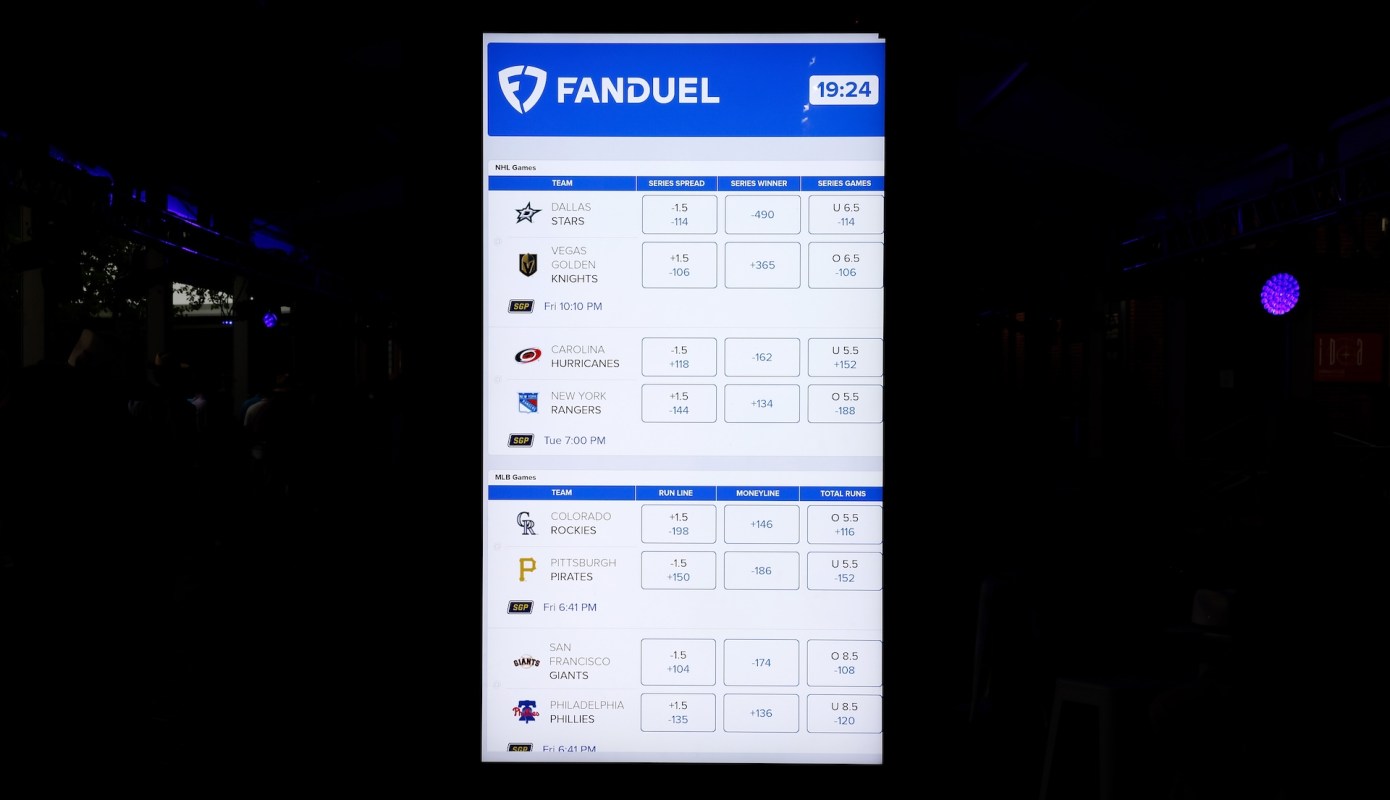
A civil lawsuit by Pennsylvania resident Maurice Faulk accuses FanDuel of using data-driven promotions and repeated prompts to keep him betting at times he says he was least able to resist.
The lawsuit adds to growing scrutiny of digital betting platforms' designs and whether convenience can cross into manipulation for users already at risk.
Here's what to know
Faulk alleges that FanDuel built its sports gambling apps in ways that foster addiction and exploit users.
As Top Class Actions reported, he says the company relied on targeted marketing and app features to do that. Faulk also alleges FanDuel tracked user behavior to create hyper-personalized algorithms that pushed ads and notifications during especially vulnerable moments, including late at night or after a major loss.
Faulk says the problem extended beyond messaging. He argues that niche in-game microbets, VIP rewards programs, and customized advertising raised the risk of compulsive gambling. He also points to deposit bonuses, so-called risk-free bets, and push notifications that he says were used to pull users back in.
According to Top Class Actions, the suit asks for a jury trial, court declarations, injunctions, and both compensatory and punitive damages. Faulk alleges that FanDuel's practices left him with worsening betting problems, financial hardship, and mental health issues including depression and anxiety.
TCD Picks » Quince Spotlight
💡These best-sellers from Quince deliver affordable, sustainable luxury for all




More background
Online gambling has become much easier to access since the U.S. Supreme Court struck down the Professional and Amateur Sports Protection Act in 2018. Now, sports betting apps allow real-time wagers with just a few taps. While companies market these platforms as forms of entertainment, critics have raised concerns about predatory designs, nonstop advertising, and the financial risks tied to fast, always-on betting.
Faulk alleges that FanDuel used both user interactions and betting losses to decide when to send promotions and notifications, making it difficult for people to stop gambling. He also says it incorporated casino-style games that could speed up the pace of wagering, Top Class Actions reported.
Faulk argues that FanDuel and its parent company already knew what harm-reduction measures look like. Pointing to regulatory action in the United Kingdom in 2018, he says that the parent company adopted wager limits, age-based deposit caps, and restrictions on VIP programs.
What's being done?
Faulk's lawsuit brings claims against FanDuel that include negligence, negligent design, failure to warn, breach of warranty, intentional misrepresentation, unjust enrichment, and alleged violations of Pennsylvania's consumer protection law.
"FanDuel also offers casino gaming within [its] sports gambling apps, encouraging users to utilize the casino games as 'instantaneous' gambling through methods such as virtual slots," the lawsuit says, per Top Class Actions.
Where can I learn more?
Concerns about FanDuel's alleged use of targeted prompts are part of a much bigger debate over how gambling and gambling-like products keep people engaged. The stories below look at how aggressive advertising, executive priorities, and game design have raised alarms.
• Across social media, nonstop gambling ads increasingly zero in on young men.
• At Penn Entertainment, outrageous executive perks drew shareholder criticism over the company's priorities.
• Critics say Animal Jam's loot boxes and TikTok trends turned gambling mechanics toward children.
Each story adds context to the growing scrutiny of digital products built around personalization, rewards, and nudges. They also place Faulk's allegations within a larger argument over when engagement tactics cross the line into exploitation.

Get TCD's free newsletters for easy tips, smart advice, and a chance to earn $5,000 toward home upgrades. To see more stories like this one, change your Google preferences here.






