


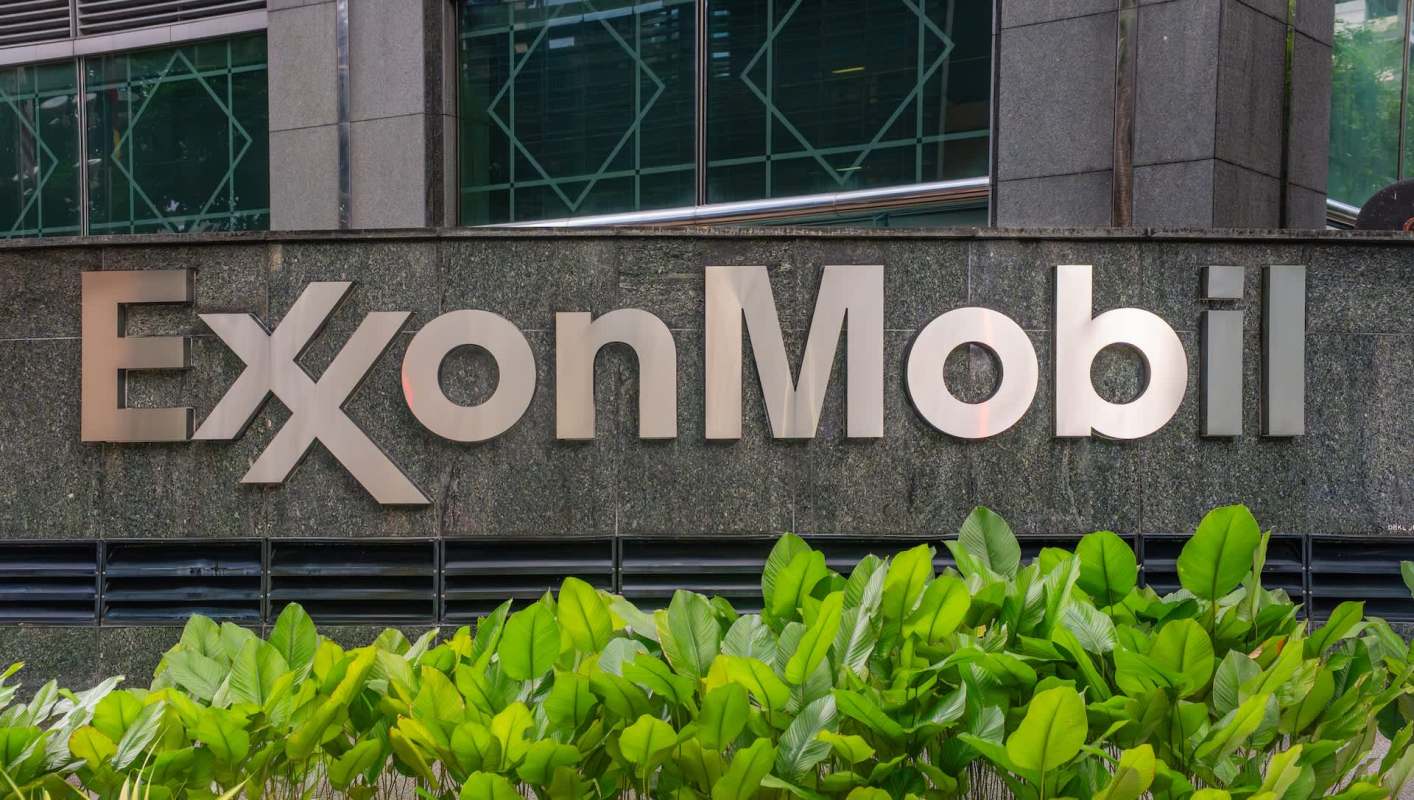
ExxonMobil is suing the European Union over rules that make oil and gas producers responsible for contributing to carbon storage infrastructure.
Here's what to know
An official document reviewed by Euronews detailed an arbitration notice filed against the European Commission by three ExxonMobil subsidiaries in Belgium, Luxembourg, and the Netherlands.
The EU's Net Zero Industry Act sets a target of at least 55.1 million tons (50 million metric tonnes) of annual carbon dioxide injection capacity by Dec. 31, 2030. ExxonMobil is contesting the requirement that authorized oil and gas producers must contribute toward that goal. The requirements affect 44 major producers.
The subsidiaries alleged that the rules breach investment protections and plan to seek interim relief suspending their obligations. ExxonMobil cited high costs and slow permitting as reasons it cannot comply.
ExxonMobil's subsidiaries are invoking the Energy Charter Treaty, which allows energy companies to contest government actions that threaten their anticipated earnings, Euronews reported. The treaty was originally intended to protect investments in formerly communist countries.
More background
On top of government funding and voluntary investment to expand carbon storage capacity, the EU has also assigned responsibility to fossil fuel producers.
TCD Picks » Quince Spotlight
💡These best-sellers from Quince deliver affordable, sustainable luxury for all




Environmental organization Bellona warned that the lawsuit could hamper the creation of a functioning carbon capture and storage market, Euronews reported.
Bergur Rasmussen, head of advocacy group CCS Europe and a former Danish member of the European Parliament, told Euronews that Commission data showed just 3.9 million tons (3.54 million metric tonnes) of annual injection capacity in operation. Projected capacity would reach only 29.9 million tons (27.1 million metric tonnes) — still short of the 2030 requirement.
Models project that roughly 275.6 million tons (250 million metric tonnes) of annual storage capacity would be needed to meet the EU's 2040 target of cutting net emissions by 90%.
What's being done?
The Commission is examining ExxonMobil's notice and preparing a response, according to the document seen by Euronews. It declined to comment on ongoing litigation, while ExxonMobil did not respond to the outlet's request for comment.
A Yara facility in Sluiskil, in the Netherlands, is designed to remove 800,000 tons of carbon dioxide each year, lowering the plant's emissions by 25%. The captured gas will be liquefied, shipped, and stored beneath Norway's seabed through the Northern Lights project.
European Climate Action Commissioner Wopke Hoekstra discussed the facility on Sept. 7, while acknowledging that carbon capture "isn't a silver bullet solution to the climate crisis," Euronews reported. Still, he pointed to its potential role in energy-intensive industries such as steel, cement, and aluminum.
William Druet, policy advisor at Bellona Europa, said, "Investment arbitration should not become a mechanism through which companies seek compensation for being required to accelerate investments that will eventually form part of their own business models," per Euronews.

Get TCD's free newsletters for easy tips, smart advice, and a chance to earn $5,000 toward home upgrades. To see more stories like this one, change your Google preferences here.






