


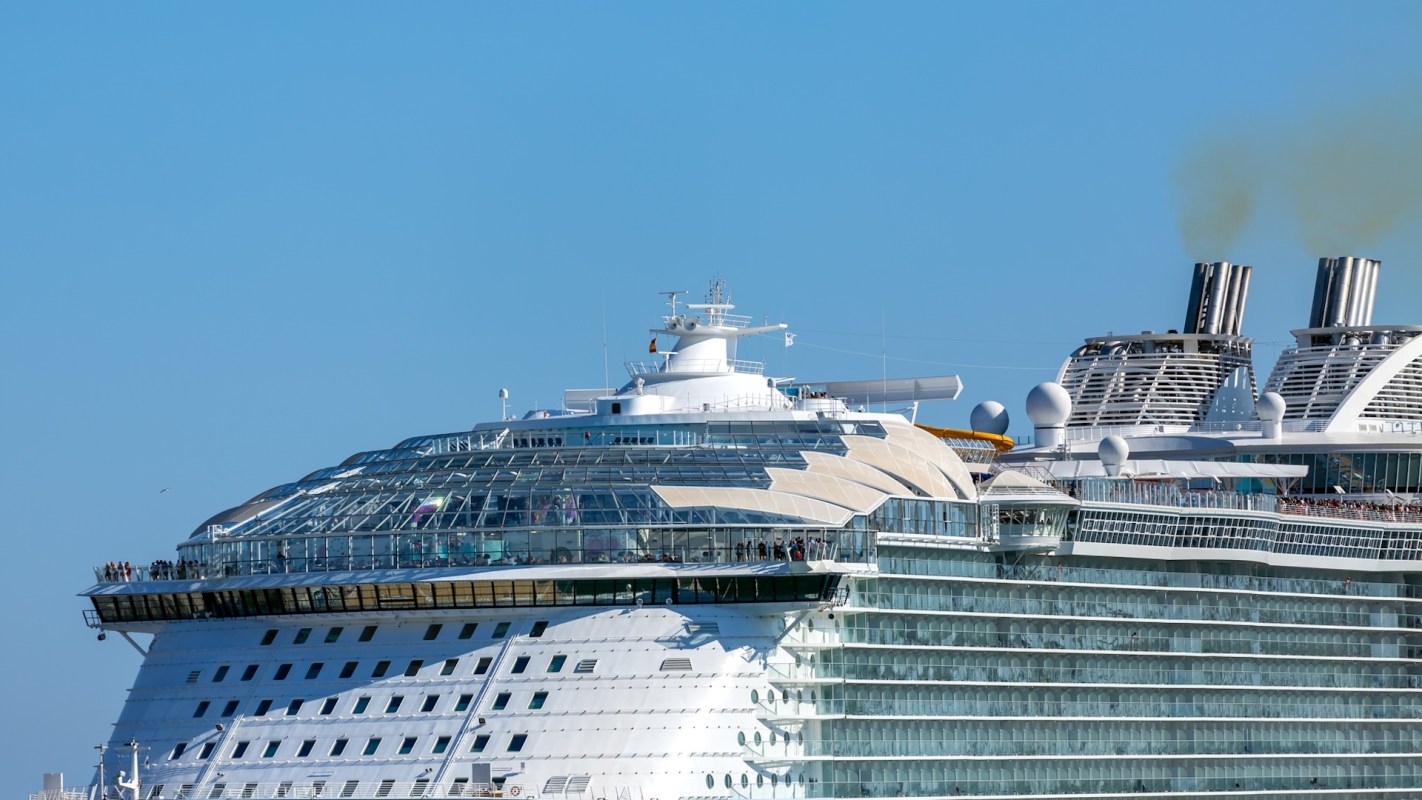
Travel companies often market remote cruises as awe-inspiring, nature-first experiences. But that image is harder to defend when industry leaders openly acknowledge that these trips still depend on heavy daily fuel use,
That tension came into sharp focus at an expedition cruise conference in London, where executives were contrite about the industry's sustainability messaging.
Here's what to know
Speaking at the Expedition Cruise Network event in London, Polar Latitudes Expeditions founder John McKeon said the industry should avoid describing itself as sustainable for now, according to Travel Weekly.
"It's hard to make people believe you're sustainable when you're burning 12 tonnes of fuel every day, so let's be honest that we're not sustainable at this point," McKeon said. "We will be in a decade or two, but we're not there yet."
The outlet reported a similar message came from Oceanwide Expeditions CEO Rémi Bouysset, who said companies need to be upfront about how they operate.
"I think there is a certain level of greenwashing," Bouysset conceded.
TCD Picks » Quince Spotlight
💡These best-sellers from Quince deliver affordable, sustainable luxury for all




More background
The central issue raised at the conference was not whether operators care about the environment, but whether the industry is being transparent enough about its impact.
When companies overstate their environmental progress, it can become harder for consumers to compare options, spend money intentionally, and support businesses that are actually cutting pollution.
For tourists going on nature-centric cruises, it can be alluring to learn that the travel company is doing everything it can to avoid contributing to pollution that could threaten the very places the trips will visit.
Of course, if those claims don't hold up, it is not only frustrating for consumers, but bad for the planet's future. If you're trying to avoid that kind of misleading branding, it helps to learn more about greenwashing.
As an example, McKeon pointed to science-led efforts at Polar Latitudes Expeditions and HX Expeditions and said operators should still aim to be "part of the solution," according to Travel Weekly.
For Bouysset, disclosure alone is not enough. He said operators also need to reduce the environmental harm from their activities as much as possible, the outlet reported.
What's being done?
The conference also produced a new framework from the Expedition Cruise Network intended to give travel agents clearer language for discussing operators' progress on responsible tourism.
Travel Weekly also reported that Oceanwide Expeditions runs a pollution-offsetting effort tied to a reforestation program in Brazil. Offsetting does not eliminate the pollution created by burning fuel, but Bouysset presented it as one part of a broader effort to reduce overall harm.
"When you put it all together, then you start to have something that goes in the right way," Bouysset concluded, according to the publication.
Where can I learn more?
The same concerns come up across the wider cruise and marine tourism industry.
• Friends of the Earth described cruise vacations as among the most harmful forms of travel.
• Officials warned cruise ships may dump wastewater through disturbing design flaws hidden at sea.
• Marine scientists said the green label can still mask harmful wildlife tourism practices.

Get TCD's free newsletters for easy tips, smart advice, and a chance to earn $5,000 toward home upgrades. To see more stories like this one, change your Google preferences here.






