


The case for driving electric vehicles in Europe keeps getting stronger.
New research indicates that EVs across the region are not only a climate-minded choice but, in many cases, a cheaper one to live with than similar gasoline vehicles.
Here's what to know
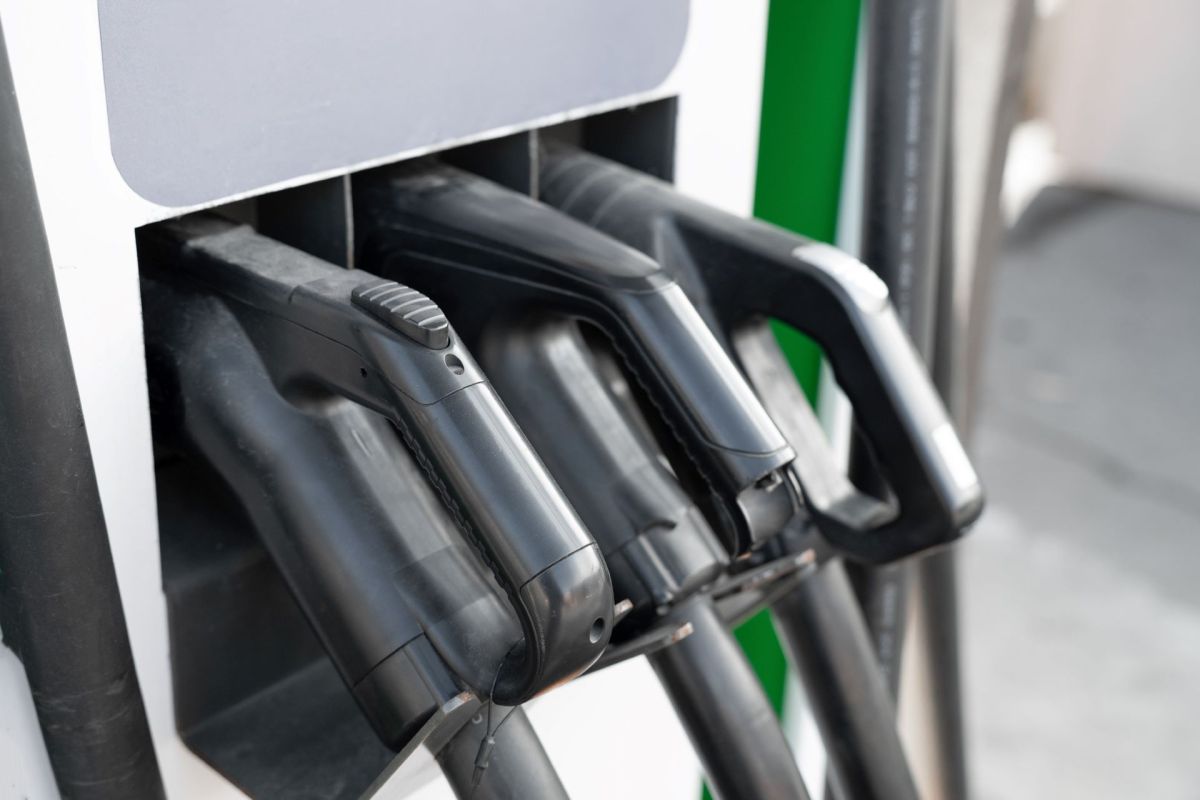
As InsideEVs reported, a new analysis from the International Council on Clean Transportation found that European drivers who charge both at home and at public stations spend about 33% less on running costs than drivers of comparable gasoline cars. Even motorists who depend entirely on public charging still face operating costs that are about 28% lower than those of gas vehicles.
A big part of that is the current price of gasoline, or petrol as it's called in most parts of Europe, has risen to an average of €2 per liter in the EU, which equates to about $9 per gallon.
The ICCT is a nonprofit research organization whose work supports environmental regulators, as the outlet noted.
"Those savings are hard to ignore," said Marie Rajon Bernard, an ICCT senior researcher and lead author of the report, in a press release. "They also explain why the car market keeps moving in one direction. We expect battery electric car adoption across Europe to scale up in the coming years if current policies are maintained."
TCD Picks » Quince Spotlight
💡These best-sellers from Quince deliver affordable, sustainable luxury for all




The analysis noted that by 2025, Germany, Europe's largest auto market, offered roughly 160 passenger EV models. That represents about four times as many as in 2020. Around 35 of those vehicles were priced below €30,000, or about $35,000.
More background
Lower charging costs are only part of the financial picture. When inflation is accounted for and similar vehicle types are compared, EV purchase prices have also been moving in a more favorable direction.
From 2020 to 2025, researchers said EV prices fell by about 18%, while combustion-car prices rose roughly 2%. Battery EVs in the medium, upper-medium, and luxury segments have already reached price parity with gasoline cars, and across segments they are now priced at about the same level as plug-in hybrids.
That shift has been helped by cheaper batteries. Because batteries are the most expensive major component in EVs, their declining cost matters a great deal, and the analysis revealed global battery prices have dropped by roughly 35%, making lower-cost models more feasible. Still, there's room for improvement.
"We've observed that car prices haven't fallen as quickly as battery costs have, which tells us there is more room for electric cars to get cheaper in the coming years," ICCT Europe Director Peter Mock argued in the release.
The report says the European Union now has close to 1.2 million public car chargers, along with another 2,450 for heavy-duty vehicles.
What's being done?
Compared with 2020, the European Union's public charging network has grown to nearly eight times its former size. That is one area which can help make the deal better for drivers.
Another opportunity is in the trucks segment, where electrified vehicles are nearing cost parity.
"In a sector where cost predictability is key, once the math favors electrification, fleets will switch," Mock declared in the release. "However, this will only happen if policies keep supporting them in the early years of the transition."
Where can I learn more?
What's happening in Europe is part of a wider shift in EV economics, and it goes well beyond the cost of charging. Maintenance, battery prices, and long-term ownership costs are making electric cars more competitive with gasoline models.
• Over 10 years, drivers saw shocking cost differences of maintaining an EV over gas.
• Battery prices remain the biggest reason EVs can now challenge gasoline cars on sticker price.
• Across the market, EVs are proving cheaper to own and operate than many drivers expect.
• Persistent misinformation still obscures misunderstood myths about EV costs and prices.

Get TCD's free newsletters for easy tips, smart advice, and a chance to earn $5,000 toward home upgrades. To see more stories like this one, change your Google preferences here.






