


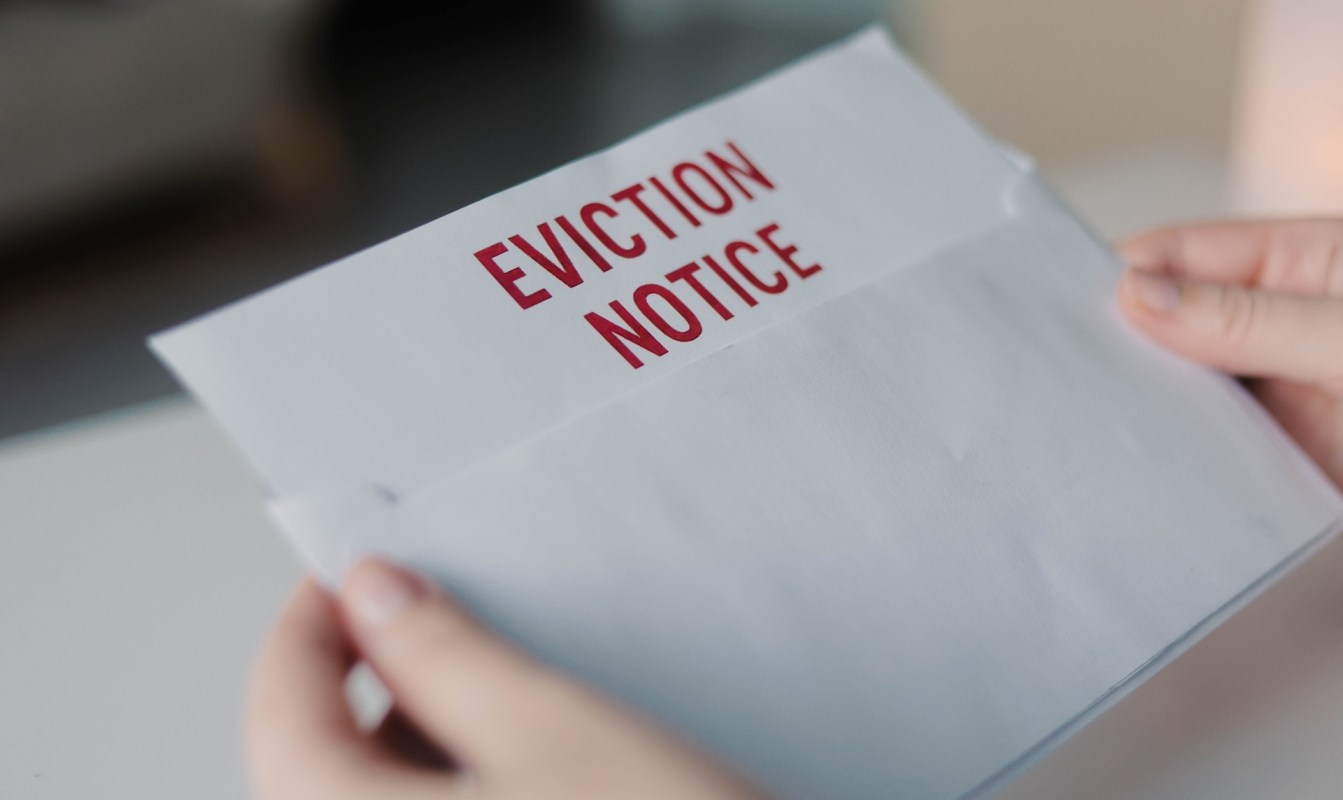
Ontario is seeing a sharp rise in eviction filings tied to unpaid rent. Landlord and Tenant Board data show non-payment applications climbed from about 38,000 in 2022-23 to more than 45,000 in 2024-25 as demand for rent support across the Greater Toronto Area hit a record.
Here's what to know
In a TikTok post, CBC Toronto wrote that "Non-payment eviction applications are on the rise in Ontario, as demand for rent support hits an all-time high across the GTA." CBC Toronto reporter Talia Ricci said L1 filings increased by roughly 20% in CBC Toronto.
"Affordability is one of the reasons that consistently comes up from housing support organizations," Ricci said.
@cbctoronto Non-payment eviction applications are on the rise in Ontario. As demand for rent support hits an all-time high across the GTA, CBC's Talia Ricci breaks down the latest Landlord and Tenant Board data. #CBCNews #CBCToronto #Housing #Toronto #Affordability ♬ original sound - CBC Toronto
Because L1 is the Landlord and Tenant Board category for unpaid-rent cases, higher filing totals offer a multi-year snapshot of mounting pressure. Rather than a one-off spike, the increase stretches across several reporting periods. CBC Toronto also said agencies throughout the Greater Toronto Area are facing record demand for rent support as rental costs keep climbing to what it described as unsustainable levels.
One commenter wrote, "80% of income goes to rent. Nothing left over for bills…" Another added, "They jack up the rent year after year while our wages don't go up. Wtf you think is going to happen?"
More background
Taken together, the data suggest a broader affordability problem rather than a string of isolated landlord-tenant disputes. Ontario is seeing more eviction filings for unpaid rent as requests for rental assistance rise across the GTA, one of the country's most expensive housing markets.
TCD Picks » Quince Spotlight
💡These best-sellers from Quince deliver affordable, sustainable luxury for all




Falling behind on rent can reflect much deeper financial strain for tenants. One commenter described that tradeoff plainly: "For many, the choice is rent or food, which would you choose?"
Commenters also suggested the affordability strain extends well beyond Toronto. One wrote, "Let's try lowering rent to be affordable; a 1 bedroom apartment in Peterborough is $1,870 per month."
What can be done?
The post points first to rent support as the most immediate response. Across the GTA, agencies are already reporting unprecedented demand for that help as housing costs continue to outpace what many households can afford.
Filings have jumped from roughly 38,000 to over 45,000, giving advocates, service agencies, and policymakers a clearer picture of how quickly pressure is building.
At the personal level, renters often look for any possible way to lower household expenses. If lease rules or building policies block lower-cost habits such as gardening or air-drying clothes, tenants who want to work with landlords to revisit those restrictions can check out the TCD Guide's page on changing HOA bylaws for ideas on how to approach rule changes.
The surge in requests for rent support suggests help is most useful before missed payments turn into formal eviction cases.
Where can I learn more?
These stories show how eviction pressure, rent hikes, and renter protections are playing out elsewhere.
• At Paragon Real Estate, doing their laundry became grounds for eviction until lawmakers stepped in.
• In Arizona, lawmakers pushed regulations to protect renters from dangerous indoor heat.
• In Massachusetts, thousands of new living spaces became an answer to the housing crunch.

Get TCD's free newsletters for easy tips, smart advice, and a chance to earn $5,000 toward home upgrades. To see more stories like this one, change your Google preferences here.






