


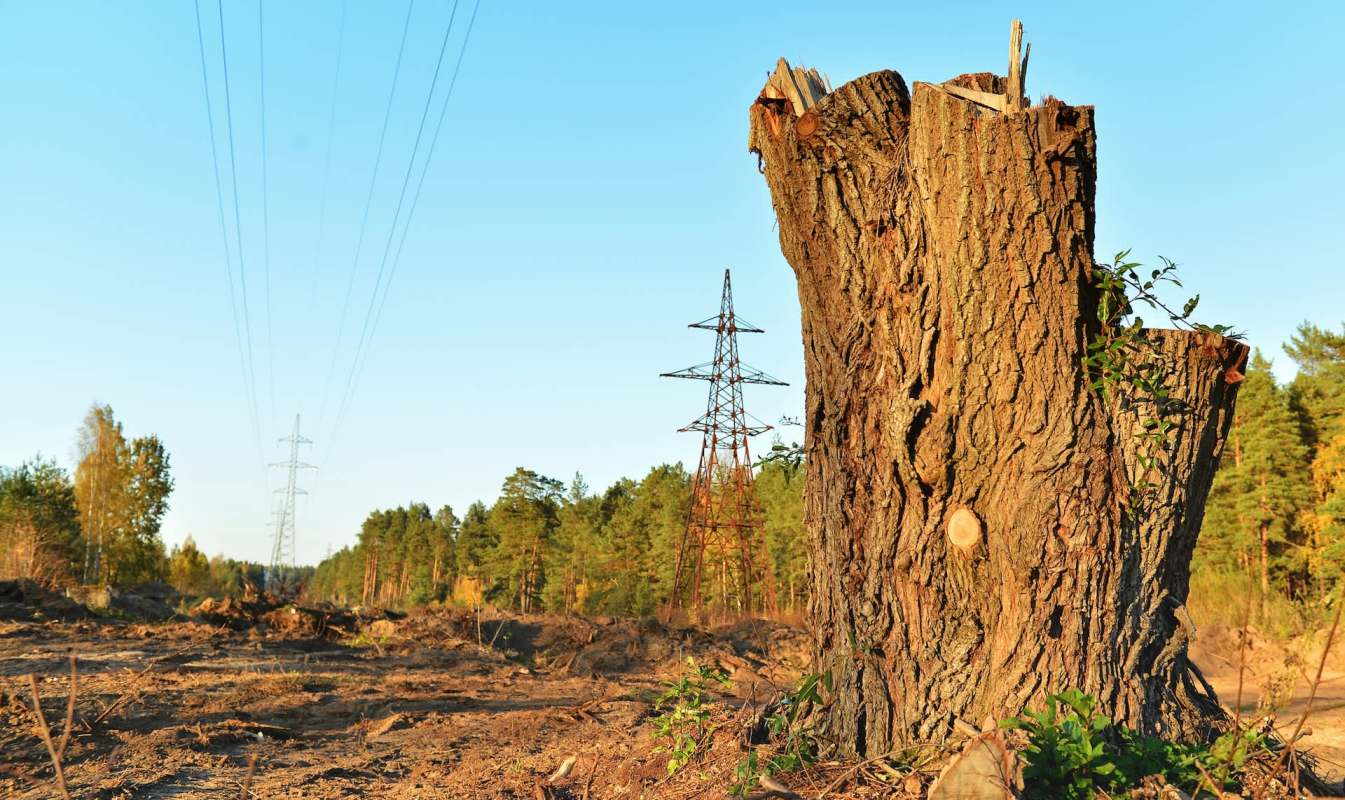
More than 500 Western Massachusetts residents are challenging Eversource's justification for a tree-removal project, saying the company's reliability argument is being used to support a more aggressive cutting plan than many communities expected.
The disagreement centers on a proposal that opponents say would affect 278 acres in 11 communities, changing forests, wetlands, and wildlife habitat along a major transmission corridor.
Here's what to know
According to the Daily Hampshire Gazette, Western Mass Towns for a Responsible Grid has asked Gov. Maura Healey to step in before Eversource moves ahead with the WT-11 transmission right-of-way reliability project connecting the Northfield and Ludlow substations.
The plan would expand sections of the existing corridor from 125 to 335 feet to about 252 to 576 feet and remove vegetation expected to grow taller than 30 feet at maturity. Eversource says the work is intended to improve reliability and resiliency, while opponents argue the project's scale looks more like clear-cutting than standard grid upkeep.
A major reason residents are alarmed is the type of land the project would pass through. In a letter to Healey, the group wrote, "This WT-11 project will cross through state-designated environmentally important land including 86 acres of Priority Habitat of Rare Species, 47 acres of wetlands and riverfront and 21 vernal pools."
Stacey McCullough, a spokesperson for Western Mass Towns for a Responsible Grid and a member of the Pelham Planning Board, said, "In the absence of unbiased evidence that this project is necessary and that its approach minimizes destruction, it must be stopped."
TCD Picks » Quince Spotlight
💡These best-sellers from Quince deliver affordable, sustainable luxury for all




More background
Tree cover helps cool communities, absorb stormwater, protect biodiversity, and preserve the character of the places people call home.
The community group also argues that WT-11 may be only the start. Members pointed to Eversource's Draft Environmental Impact Report, filed in August 2025, which they say suggests similar transmission right-of-way work could spread across western Massachusetts through 2032, potentially affecting close to 2,000 additional acres.
Eversource has pushed back on the claim that the work amounts to indiscriminate clearing. In a statement, the company said, "The WT-11 project is designed to protect the transmission lines that deliver power to homes, businesses and essential services by reducing the risk of trees contacting or falling into those lines while also balancing the many important benefits trees provide."
The utility added that the project is informed by LiDAR analysis and that "the proposed approach allows for narrower clearing where tree-fall risk is low and manages the corridor for grasses, shrubs and other low-growing vegetation that can support wildlife and pollinators."
That tension — between the company's environmental stewardship language and the reality of a much wider corridor on the ground — is exactly why residents are calling for closer oversight.
What's being done?
The group says it is not objecting to grid maintenance overall. Instead, it argues that pruning and selective cutting can preserve reliability without taking out large stretches of forest, especially in wetlands, rare-species habitat, and other environmentally sensitive areas.
Rather than broad clearing, the letter asks for two protections: pruning or selective cutting across the corridor, or at least in sensitive areas, and written explanations from Eversource crews and subcontractors describing the work being done in those locations.
Michael DeChiara, a member of the Planning Board in Shutesbury, told the Gazette that a Final Environmental Impact Report is expected to reach the state, and that Eversource must also win approval from the Executive Office of Energy and Environmental Affairs and local conservation commissions.
Where can I learn more?
Disputes over utility projects like this one often reach beyond a single transmission corridor or state. The following cover wildfire shutoffs, rising electricity demand, and contested power siting.
• Across West Coast states, utilities have used public safety power shutoffs to reduce wildfire danger.
• In rural America, communities say data centers are driving power demand, costs, and local backlash.
• In Kenya's Kilifi County, residents resist a dangerous power plant near sensitive ecosystems.

Get TCD's free newsletters for easy tips, smart advice, and a chance to earn $5,000 toward home upgrades. To see more stories like this one, change your Google preferences here.






