


Electric vehicle registrations slid in March, falling 25% as the segment continued to feel the impact of last year's repeal of the federal tax credit.
But there was one bright spot: March also delivered the segment's strongest monthly volume since the repeal took effect Sept. 30.
What's happening?
According to a report from Automotive News, the latest registration data shows new EV registrations continued to fall in March.
Still, March wasn't all negative. In total, 87,815 EVs were registered in the month, compared to just 56,726 in February.
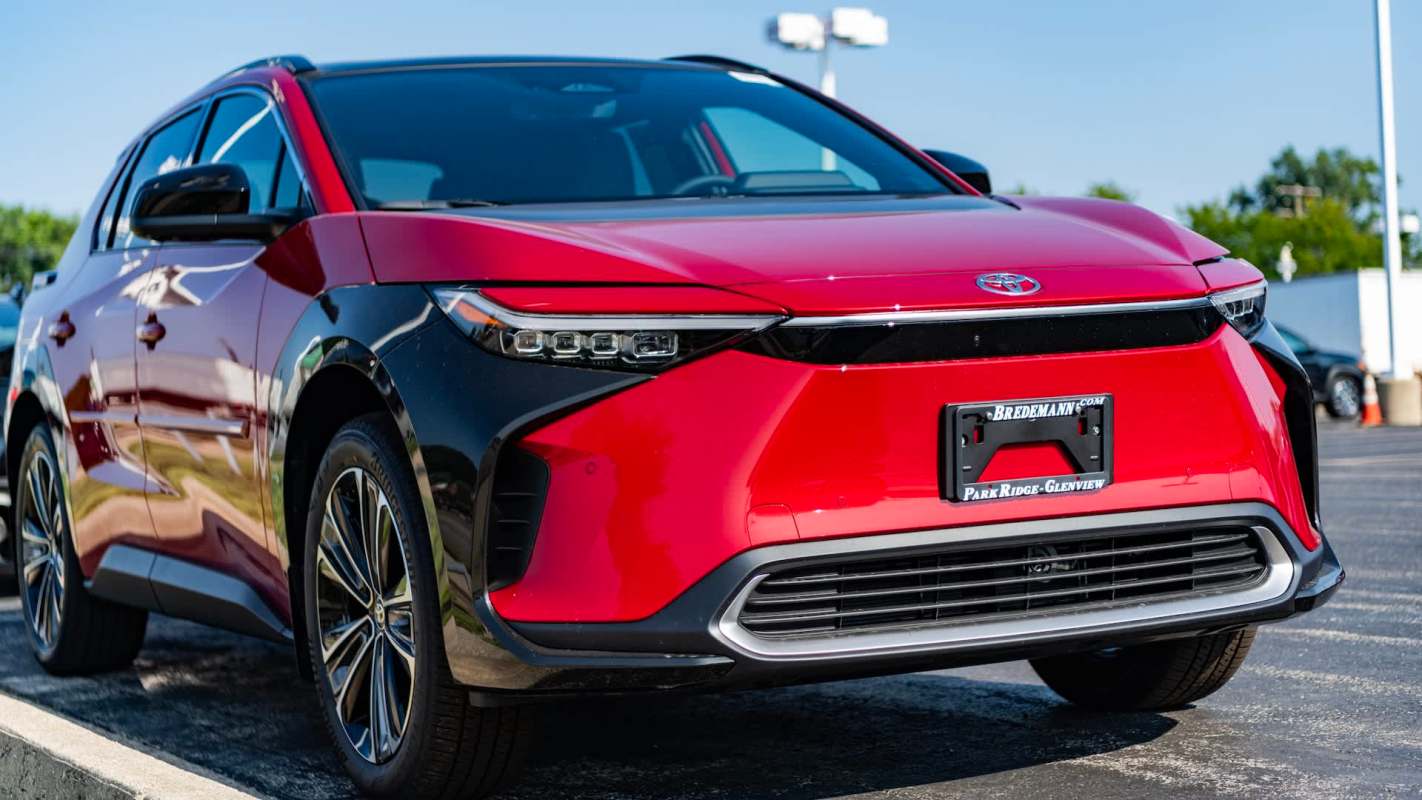
Despite the overall decrease, some brands had major sales bumps. Toyota saw a 140% increase in EV registrations, mostly tied to its refreshed BZ crossover EV, and Subaru saw a 50% bump in EV registrations as new models hit the market.
Even though the market remains well below earlier levels, the stronger monthly volume suggests some shoppers may be easing back in as they adjust to the new pricing environment.
TCD Picks » Quince Spotlight
💡These best-sellers from Quince deliver affordable, sustainable luxury for all




Why is this important?
For many drivers, the biggest hurdle to buying an EV is the sticker price. When a tax credit goes away, the upfront cost can be harder to justify, even if the vehicle may save money over time through lower fueling and maintenance costs.
That's a big deal because EVs are often cheaper to own in the long run. Drivers typically spend less on electricity than gas, and they avoid many of the routine service needs that come with gas-powered cars, including oil changes. With fewer moving parts, there can also be less wear and tear.
When registrations slow, it can mean the upfront sticker price could still be a prohibitive factor despite long-term savings. It can also slow broader progress toward cleaner transportation, which has implications for air quality and climate pollution.
At the same time, the March rebound matters because it shows consumer interest hasn't vanished. If more buyers continue returning to the market, competition among automakers could help improve pricing, model availability, and options for everyday drivers.
What's being done?
Automakers and dealers are still trying to keep buyers engaged, even without the same level of federal support. A wider range of models from both mainstream and luxury brands could help, especially if shoppers focus on total ownership costs instead of just the purchase price.
For consumers, one of the most useful steps is to look beyond the window sticker. Comparing fuel savings, maintenance costs, charging access, and any local incentives can offer a much clearer sense of what an EV will actually cost.
Charging at home can also make a major difference, as it's significantly cheaper than relying on public chargers.
Installing solar panels can lower costs even more, since charging with your own energy is cheaper than using public stations or relying entirely on the grid.
A 25% drop is a reminder that incentives still play a major role in shaping the EV market. But March reaching its highest level since Sept. 30 also suggests the category may be starting to find its footing again — what analysts described as "a sign of recovery."

Get TCD's free newsletters for easy tips, smart advice, and a chance to earn $5,000 toward home upgrades. To see more stories like this one, change your Google preferences here.






