


An unglamorous but important side of the electric vehicle boom is taking off.
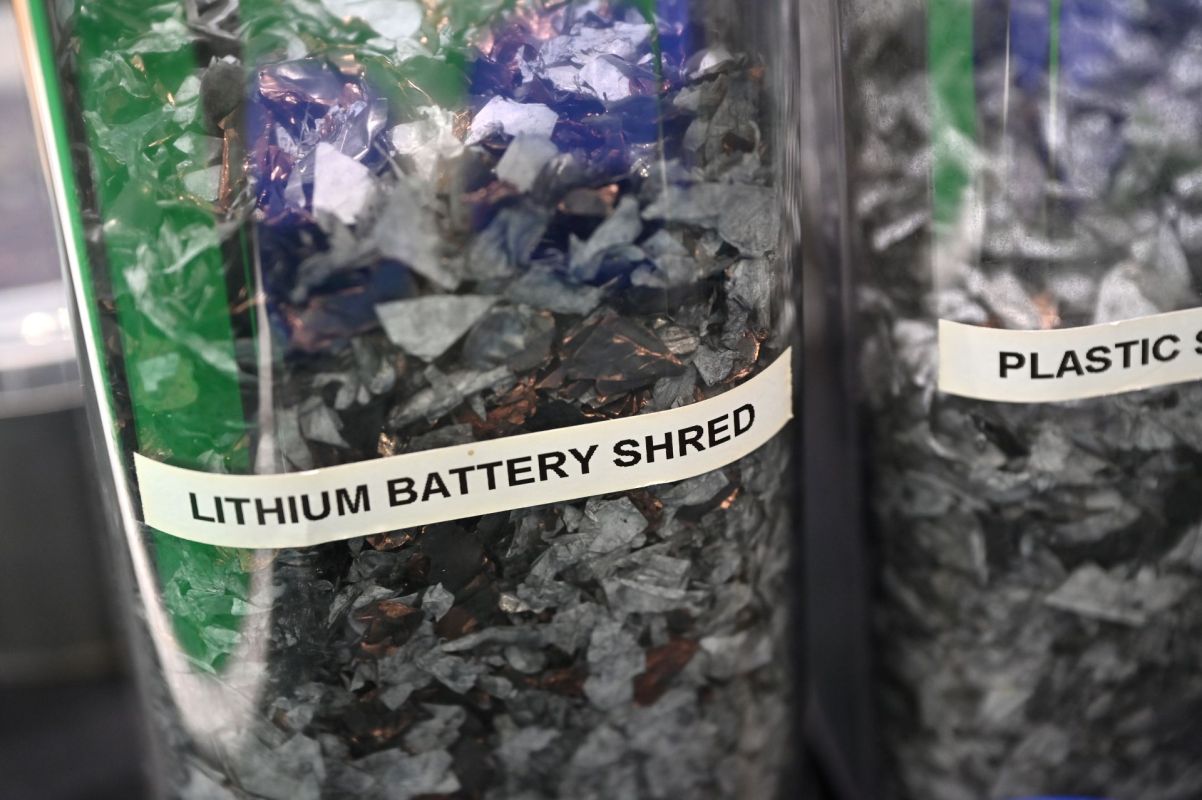
Used EV batteries in Yancheng, Jiangsu, are being dismantled and processed so valuable metals can be recovered and reused after reaching the end of their first lives.
Here's what to know
Shanghai Eye (@ShanghaiEyeMagic) detailed the booming industry in a report on its YouTube page .
According to the outlet, the process unfolds in stages.
"Copper and aluminum are first separated, and then the battery powder, rich in lithium, nickel, and cobalt, is fed into a hydrometallurgical production line for deep purification," the narrator noted.
Shi Liyong told Shanghai Eye that the process is rapidly gaining in efficiency.
TCD Picks » Quince Spotlight
💡These best-sellers from Quince deliver affordable, sustainable luxury for all




"The capacity utilization increased by 20% compared to the start of this year," Liyong said. "Recoveries of nickel and cobalt are up to over 99%."
Commenters interpreted the improvements as hugely positive.
"Recycling is valuable for planet earth and even a profitable industry," one wrote.
More background
Battery recycling is drawing attention as EV adoption rises worldwide, meaning more battery packs will need to be replaced, repaired, or retired.
If those materials can be recovered efficiently, manufacturers can return copper, aluminum, lithium, nickel, and cobalt to the supply chain rather than relying on newly mined resources.
Recovering metals from used batteries can reduce pollution tied to mining and lower the risks associated with improper disposal. It can also create more stable battery supply chains, which could support lower costs for EVs, grid storage, and other technologies that depend on those materials.
What's being done?
Another sign of momentum is growing capacity. ShanghaiEye said in the video that recycling companies in China are expanding, with production lines being added to meet demand.
The hydrometallurgical company expects to continue to build capacity, reaching triple its annual capacity in the coming years. That development is important.
"Experts predict there will be 655,000 tons of used electric vehicle batteries globally this year and expect there to be over 2 million tons in 2030," the video noted.
If recyclers can consistently recover large amounts of materials, the process is both a waste solution and supply solution. It can create jobs while reducing pressure on raw material markets.
"This is the answer for EV doubters," one commenter said.
Where can I learn more?
The work in Yancheng is part of a much bigger push in battery recycling. Companies, scientists, and manufacturers are trying to recover more materials, cut costs, and ease pressure on mining as more EV batteries reach the end of their first lives.
• In China, CATL is looking to expand EV battery recycling beyond its home market.
• Scientists are testing cheaper ways to recover lithium-ion battery materials from scrap.
• Across the industry, battery reuse and recycling are becoming essential to sustainable growth.
• Elemental Recycling has turned waste plastic into graphite that can feed battery manufacturing.
• Despite mining concerns, EVs remain better than gas cars as supply chains improve.

Get TCD's free newsletters for easy tips, smart advice, and a chance to earn $5,000 toward home upgrades. To see more stories like this one, change your Google preferences here.






