


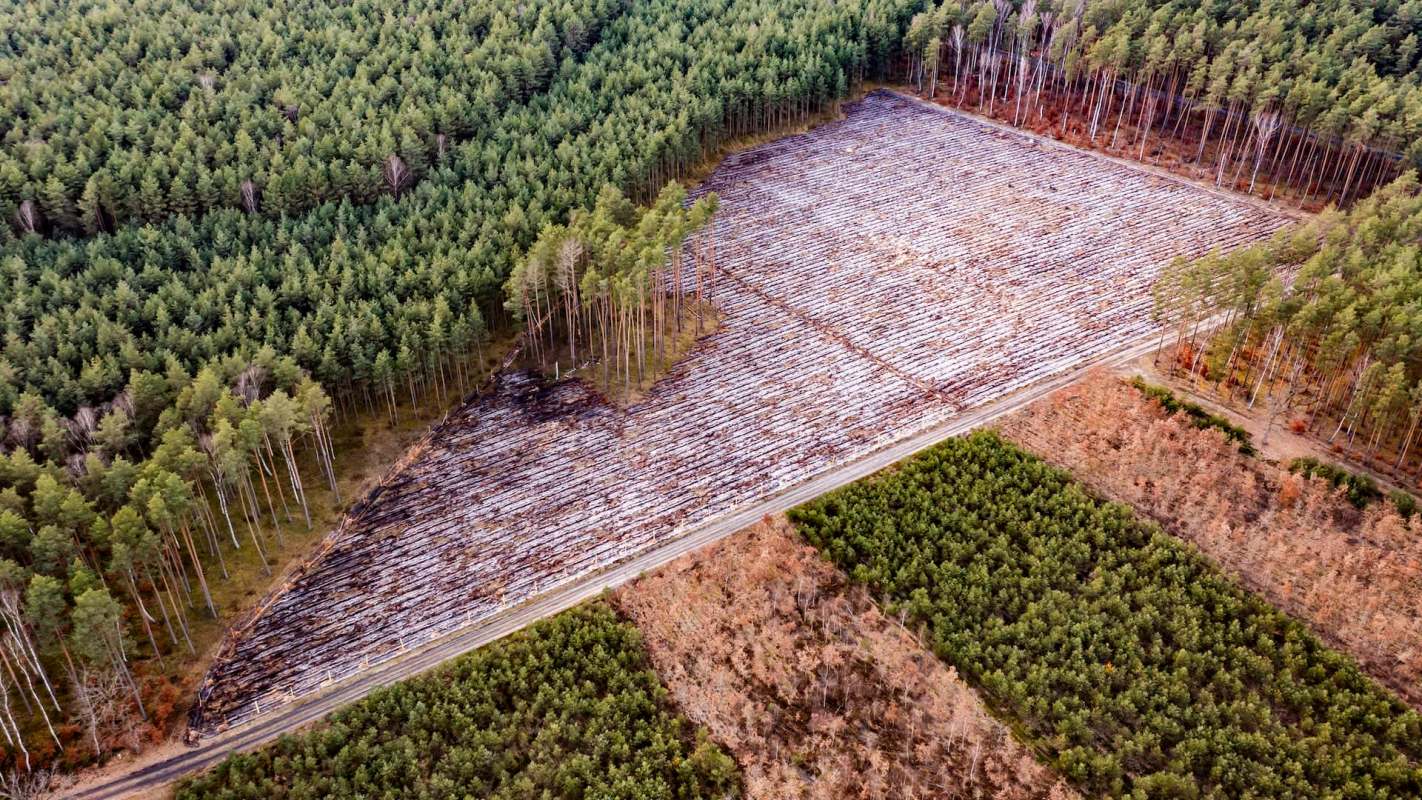
The European Commission is scaling back a key environmental rule. Following pressure from industry groups, it said leather, hides, and skins will be excluded from the European Union's landmark anti-deforestation law.
What's happening?
In early May, Reuters reported that the Commission will exclude leather imports from the EU's anti-deforestation regulation.
The rule was created to require companies selling certain goods in the EU — including soy, coffee, beef, palm oil, wood, cocoa, and rubber — to demonstrate that those products were not sourced from recently deforested land or tied to forest degradation.
According to Reuters, the decision follows lobbying from industry groups that argued leather production does not itself drive the cattle expansion associated with forest loss.
The exemption is a notable carveout from a policy otherwise expected to strengthen supply-chain accountability across some of the world's largest deforestation-linked markets.
Why does it matter?
The carveout weakens momentum for cleaner supply chains and more consistent standards in global trade. And the effects could reach beyond policymakers and trade groups.
TCD Picks » Quince Spotlight
💡These best-sellers from Quince deliver affordable, sustainable luxury for all




Deforestation, or forest destruction, has been linked to rising temperatures, water stress, biodiversity loss, and community displacement — impacts that can affect food systems, public health, and economic stability. Communities living closest to forests often face the most immediate consequences when protections do not exist or do not go far enough.
The EU's law had been widely viewed as a high-profile effort to push companies to trace the origins of their goods more clearly. Excluding leather creates a gap in that accountability system, especially for consumers who increasingly desire access to more environmentally-friendly products.
What's being done?
Even with leather excluded, the broader EU regulation is still moving ahead. Reuters reported that, from December, companies that sell commodities covered by the law on the EU market — or ship them out of it — will still need to show that those goods are not connected to recent deforestation.
For consumers, the change is a reminder to pay closer attention to how products are sourced and to support companies that disclose supply-chain information — even when the law doesn't require it.

Get TCD's free newsletters for easy tips, smart advice, and a chance to earn $5,000 toward home upgrades. To see more stories like this one, change your Google preferences here.






