


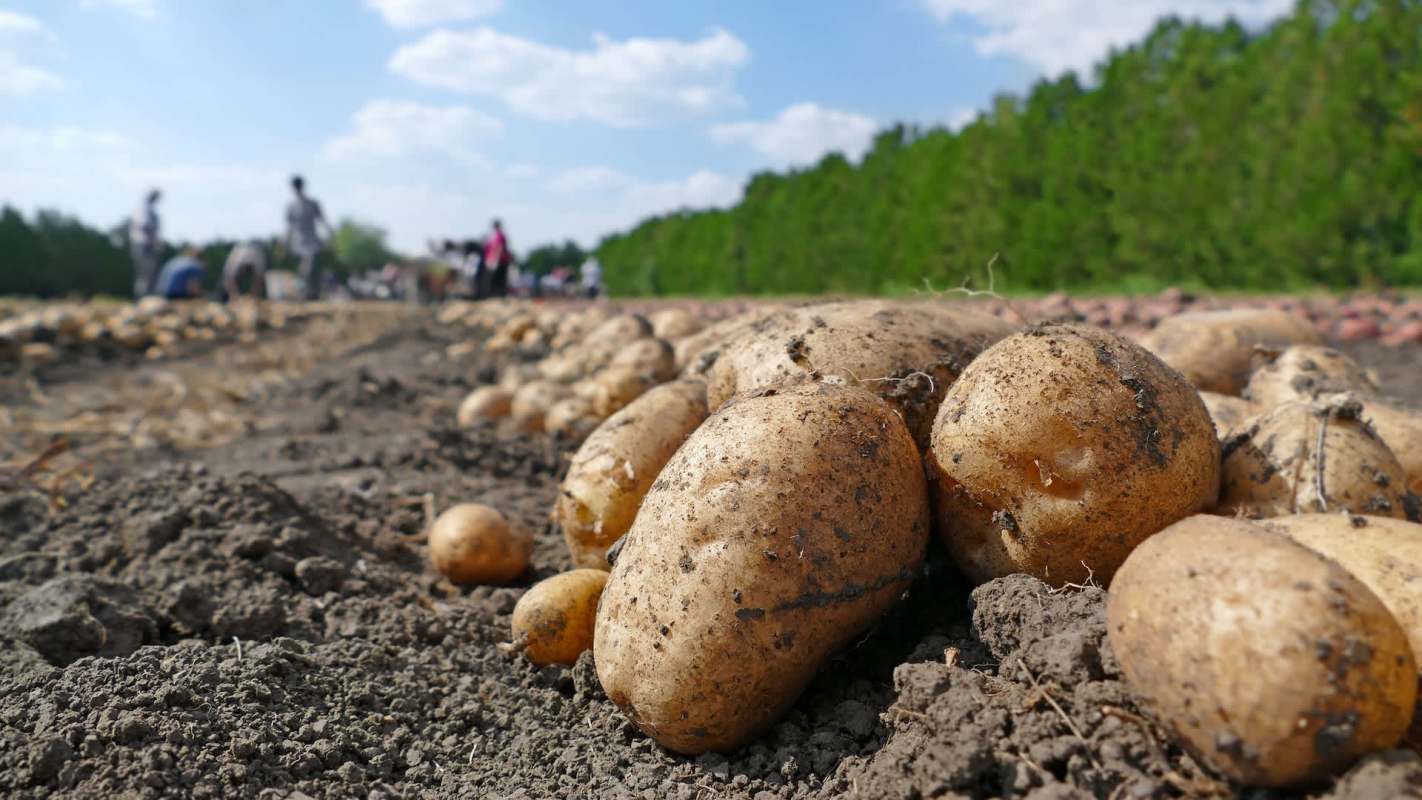
After a summer of drought and repeated heat waves, potato fields across Europe are producing far less than usual, affecting a staple food found in kitchens across the region.
Shoppers may feel the shortfall through smaller potatoes, shorter fries, and steeper food prices.
Here's what to know
Analysts say the harvest could rank among the weakest Europe has seen. The Energy and Climate Intelligence Unit, in an analysis cited by Bloomberg, projects that Europe and the United Kingdom will be short about 3.5 million tons, a decline it says could erase more than €800 million, or roughly $919 million, in farm value.
Belgium, France, and Germany have each taken notable yield losses, down 21%, 13%, and 10%, respectively. A 2025 potato glut had already led growers to plant less acreage, leaving the heat- and drought-damaged crop with even less room for error.
From west of Brussels, Bruwier Potatoes owner Jan Van Luchene described the season as punishing for growers: "No one escaped this summer's heat. We are in a new perfect storm, with a considerably smaller acreage, coinciding with historically poor yields, caused by drought and more importantly by heat."
Markets are already reacting to the tighter supply. In Germany, prices for potatoes headed to processors have climbed about 16-fold to €240 (about $276) per ton, and Belgium, France, and the U.K. are seeing similar moves.
TCD Picks » Quince Spotlight
💡These best-sellers from Quince deliver affordable, sustainable luxury for all




More background
Potatoes are a staple for millions of households, and when harvests shrink, the effects can show up quickly in restaurant portions, frozen food supplies, and supermarket prices. A weaker crop also puts added pressure on food manufacturers that rely on steady potato supplies for chips, fries, and prepared meals.
The strain on potatoes comes as Europe faces wider trouble in agriculture: Grain production is on track for its biggest drop in decades, and fighting around the Black Sea is still disrupting an important grain export route.
Worsening extreme weather disasters threaten lives and livelihoods by damaging crops, raising food costs, and straining local economies that depend on farming. They can also put public health at risk when heat waves endanger outdoor workers, intensify drought and water stress, and weaken economic stability as families and businesses pay more for basic goods.
Thijs Geijer, an economist at ING NV in Amsterdam, said consumers may notice weather-related damage more directly than some other global disruptions.
"There are multiple stories stacking up — the closure of Strait of Hormuz and resumption of attacks on Black Sea ports and shipping. But out of those, extreme weather is by far the most visible and tangible for consumers," Geijer said, according to Bloomberg. "Don't take stable prices for everyday products for granted."
What can be done?
Farmers and food companies will likely focus on managing shortages, adjusting contracts, and shifting supplies where possible. Some growers are also increasingly turning to more heat-tolerant crop varieties, improved irrigation systems, and soil practices that help fields retain moisture during drought.
Reducing the pollution that fuels hotter, more volatile weather is a key part of protecting food systems. Investments in resilient agriculture, water-saving technology, and stronger local supply chains can also help communities better absorb future shocks.
Scott Walker, chief executive of GB Potatoes, said the industry is bracing for a smaller crop: "There are going to be fewer potatoes about after this year's harvest. The crop's under significant pressure."
Where can I learn more?
These articles look at crop losses, staple food shortages, and farm stress tied to extreme weather.
• Across the Mediterranean, olive oil harvests keep shrinking as weather extremes drain supplies.
• In Malta, hailstorms devastated key crops, leaving farmers reeling after severe losses.
• In New York's Catskills, excessive rainfall is battering farms and worsening losses.

Get TCD's free newsletters for easy tips, smart advice, and a chance to earn $5,000 toward home upgrades. To see more stories like this one, change your Google preferences here.






