


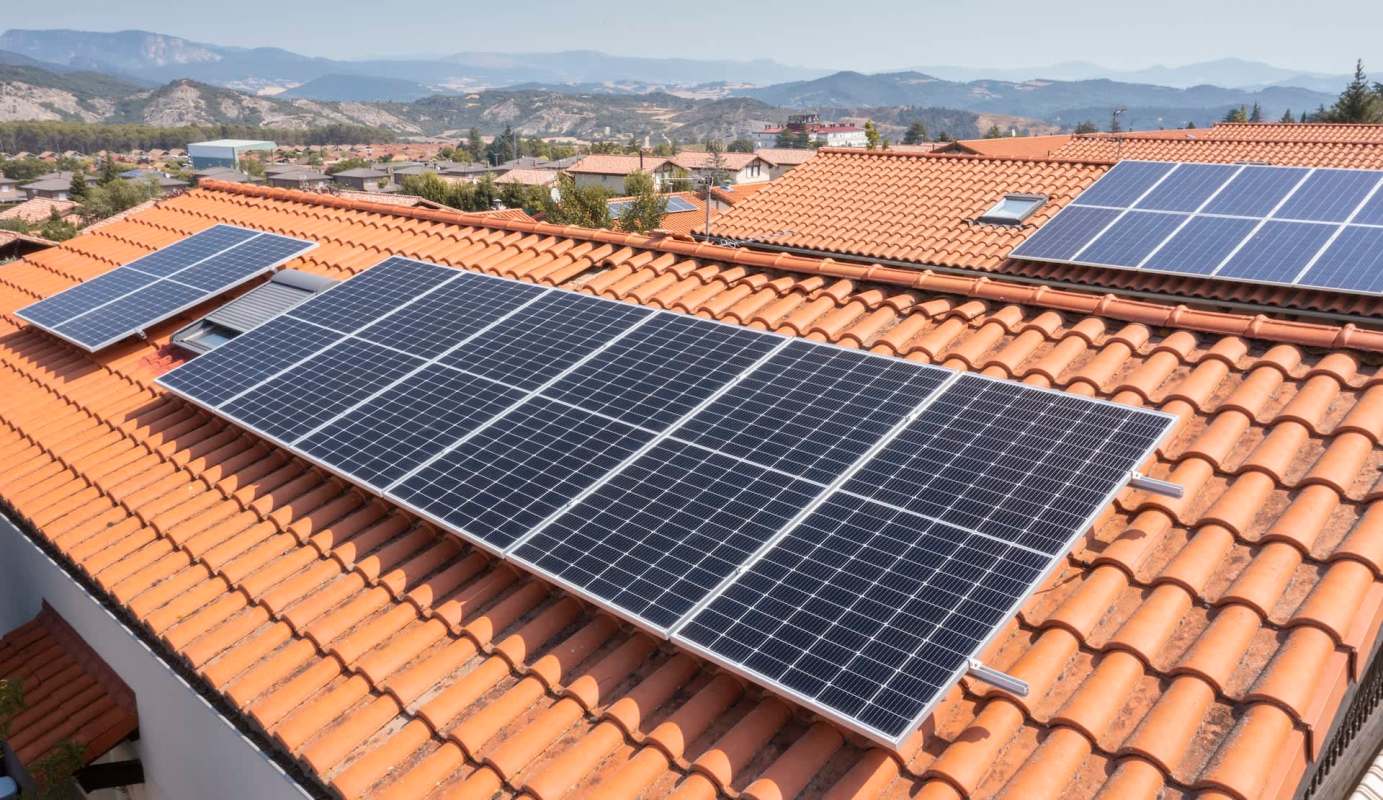
European Union countries may soon have more room to spend public money on clean energy without immediately breaching the bloc's fiscal rules, a shift that could help speed investments in batteries, building upgrades, and cleaner heating systems through 2028.
According to PV Magazine, the European Commission's new guidance would let member states apply the defense national escape clause to certain energy security measures from 2026 through 2028.
Here's what to know
Under Communication C/2026/4514, governments can use part of the national escape clause's existing fiscal flexibility for new energy security spending, including efforts meant to cut dependence on fossil fuels.
Only measures approved after Feb. 28, 2026, are eligible. The Commission said it first flagged the policy in the June 3, 2026, European Semester Spring Package and tied the step to "the ongoing conflict in the Middle East," per PV Magazine.
The new flexibility is still constrained. A country's allowed deviation from its recommended net spending path stays capped at 1.5% of gross domestic product, while energy security measures within that envelope are limited to 0.3% of GDP in any one year and 0.6% overall.
The range of potentially eligible measures is broad. The Official Journal groups relevant spending under households, businesses, the public sector, transport infrastructure, and the energy sector, with examples including renewables, batteries and other storage, nuclear plants, heat-pump support, EV charging, and building retrofit work.
TCD Picks » Quince Spotlight
💡These best-sellers from Quince deliver affordable, sustainable luxury for all




More background
The EU is signaling that some clean energy investments can also be treated as strategic safeguards against future shocks.
Use of the policy is not unlimited, the Commission stressed; countries must show that the spending is additional, effective, and fiscally sustainable.
Projects will not be waved through automatically, either. Spending that goes past the stated limits would still be assessed under the EU's standard fiscal checks.
What's being done?
Member states seeking the added flexibility must provide an initial rundown of the energy security measures they plan to support, along with estimated budget costs. The Commission will then review those requests under Article 26 of Regulation (EU) 2024/1263.
According to PV Magazine, the Commission said, "After assessing a request in accordance with the requirements of Article 26 of Regulation (EU) 2024/1263, the Commission may recommend that the Council approve it."
The document also said, "The notice includes an illustrative and non-exhaustive list of potentially eligible measures. The Commission will therefore assess the eligibility of measures on a case-by-case basis."
Where can I learn more?
This policy change is unfolding alongside broader EU arguments over renewable targets and the real-world economics of the technologies in the Commission's guidance, especially heat pumps and solar. Faster clean energy investment can affect household budgets, power prices, and even land use well beyond Europe.
• EU governments pushed back crucial plans for a new renewable target over disagreements regarding nuclear power.
• Across most EU countries, heat pumps are cheaper than gas boilers, saving up to €800.
• In northwest Europe, solar sent power prices below zero as a heat dome hit.
• Morocco's giant solar complex is freeing Europe from some Russian oil and gas dependence.
That helps explain why the EU is framing clean energy spending as both an economic and security issue. The same technologies highlighted in the guidance are already changing utility bills, power markets, and political debates across regions.

Get TCD's free newsletters for easy tips, smart advice, and a chance to earn $5,000 toward home upgrades. To see more stories like this one, change your Google preferences here.






