


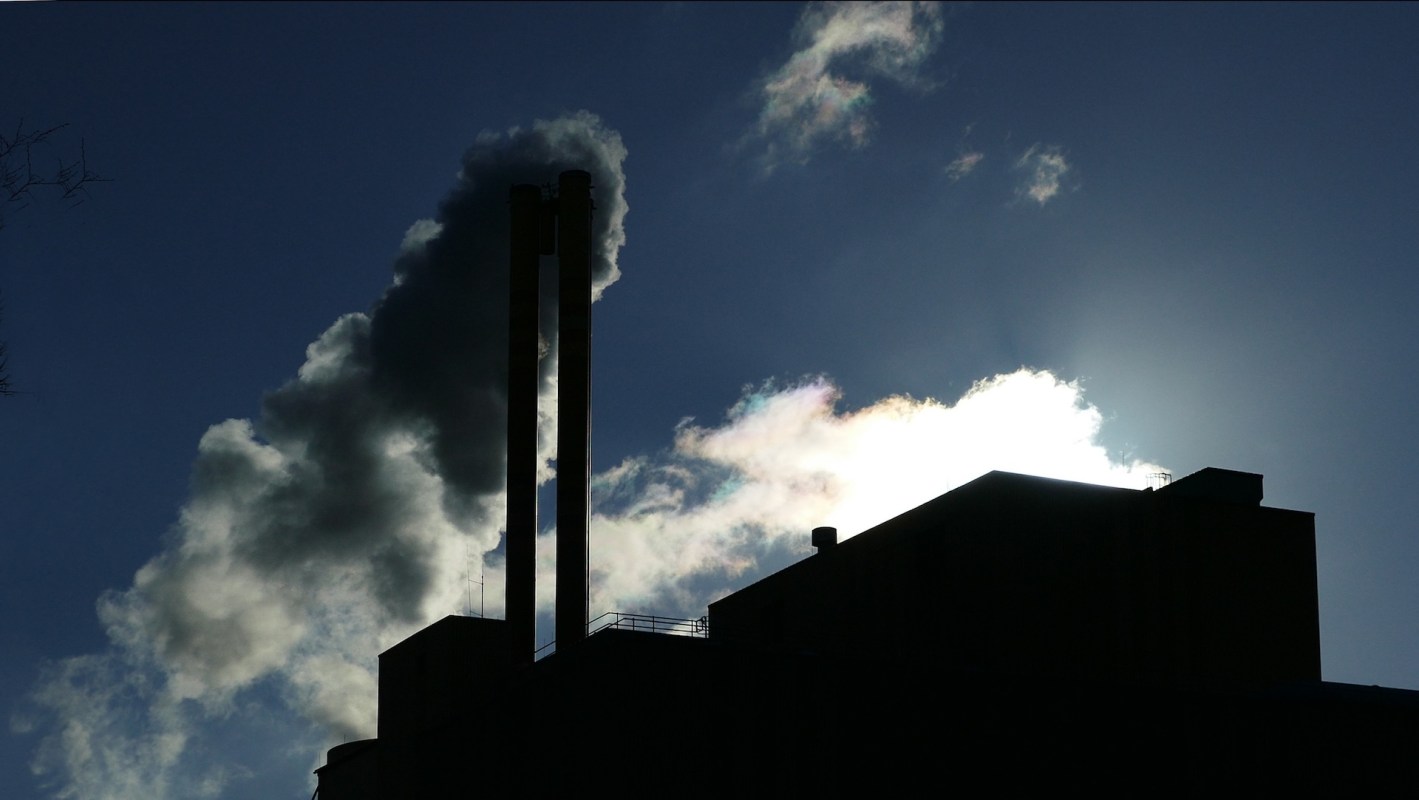
The Environmental Protection Agency moved to scrap most of the Biden administration's climate rules for power plants and signaled that it intends to eliminate the rest as well, Utility Dive reported.
The decision will slow efforts to cut pollution from power plants and raises fresh concerns for communities already shouldering the health and economic impacts of a warming planet.
Here's what to know
EPA Administrator Lee Zeldin indicated that the agency completed its repeal of most parts of the 2024 carbon-pollution rule for fossil fuel power plants and is separately seeking to rescind the greenhouse gas standards that still apply to the sector.
In explaining the action, the EPA argued that the Clean Air Act does not authorize it to regulate power-plant greenhouse gas emissions to address climate change.
The agency claimed that position was supported by the Trump administration's reversal of the landmark 2009 Endangerment Finding and by the Supreme Court's Loper Bright ruling.
NASA explained that "human activities (primarily the human burning of fossil fuels) have warmed Earth's surface and its ocean basins, which in turn have continued to impact Earth's climate."
TCD Picks » Quince Spotlight
💡These best-sellers from Quince deliver affordable, sustainable luxury for all




The repeal of the 2024 standards will take effect 60 days after publication in the Federal Register.
The EPA plans to hold a public hearing and open a 45-day public comment period on its broader proposal.
More background
Power plants remain a major source of climate pollution, and federal limits were intended to advance the sector toward cleaner energy generation over time.
Weakening those standards makes it harder to reduce the emissions that contribute to worsening heat, wildfire conditions, flooding, and other impacts that typically hit families and local governments first.
Supporters of the rollback argued that the previous rules were too costly and unrealistic.
"In regard to EPA's new proposed rule, we strongly believe that regulatory certainty is helpful as we plan for long-term investments that support grid reliability," said Rachael Marsh, chief legal officer at the Edison Electric Institute.
"We will continue partnering with EPA on a durable and achievable regulatory framework that is cost effective for customers and supports the investments needed to meet growing electricity demand."
Jim Matheson, CEO of the National Rural Electric Cooperative Association, called the Biden-era limits "unlawful, unrealistic and unachievable."
Michelle Bloodworth, CEO of America's Power, asserted that the rules effectively gave electricity providers a choice between closing coal plants by 2032 or trying to meet carbon requirements through carbon capture and storage, which she felt was too costly and insufficiently proven.
Opponents, however, warned that those arguments ignored the public costs of increased pollution and delayed climate action.
For communities near fossil fuel infrastructure or already coping with extreme weather, fewer safeguards mean greater risks over time, even if utilities gain short-term flexibility.
What's being done?
Former EPA veterans, environmental groups, and state and local officials are already organizing opposition, and some have indicated they intend to challenge the rollback in court.
"We've fought every one of these reckless rollbacks, and we're ready to sue again now to protect our health and safety," Connecticut Attorney General William Tong vowed.
Climate Mayors Executive Director Kate Wright also criticized the move.
Utilities, regulators, cities, and advocacy groups are now likely to keep battling over what a "durable and achievable" power-sector framework should look like — and who bears the cost when climate protections are removed.
"EPA has a responsibility to work alongside local leaders to protect Americans' health, not eliminate the safeguards that protect families from deadly toxins," Wright noted.
"While mayors continue to advance local initiatives to protect residents, the EPA is moving backwards."
Where can I learn more?
These articles cover court rulings, federal mandates, and regional policies shaping power-plant and energy rules.
• A federal court let Biden's coal-plant emissions rules stay in place while challenges moved forward.
• The Supreme Court declined to block the EPA's new power-plant mandate for coal and gas facilities.
• EPA under Lee Zeldin moved toward repealing coal and oil standards, alarming health advocates.

Get TCD's free newsletters for easy tips, smart advice, and a chance to earn $5,000 toward home upgrades. To see more stories like this one, change your Google preferences here.






