


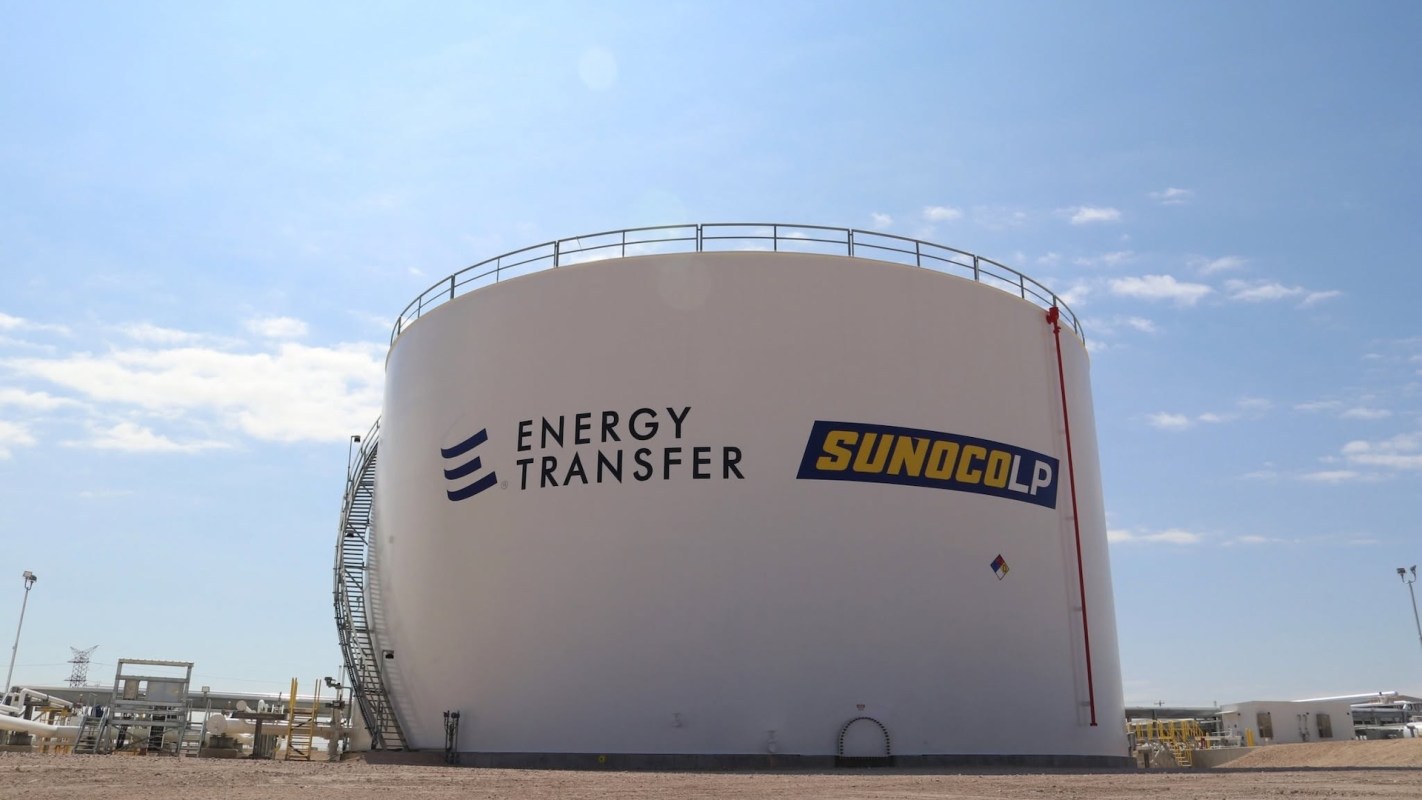
Before any charges have been filed, Energy Transfer is asking the courts to invalidate part of Pennsylvania's nearly 90-year-old Clean Streams Law.
The request comes as the pipeline company faces a criminal investigation in the state over a jet fuel leak that tainted drinking water wells, Inside Climate News reported.
Here's what to know
The Dallas-based company filed suit in April and asked Pennsylvania's Commonwealth Court to rule that portions of the Clean Streams Law are unconstitutional.
In its petition, Energy Transfer objected to the notion that accidental pollution could lead to criminal liability.
"A lack of mens rea requirement here offends the principles of justice and does not provide adequate notice of the offending conduct that could form the basis for criminal liability," the company wrote.
On Aug. 25, Pennsylvania Attorney General Dave Sunday urged the court to reject that effort, alleging that Energy Transfer was improperly trying to get ahead of an expected criminal case.
TCD Picks » Quince Spotlight
💡These best-sellers from Quince deliver affordable, sustainable luxury for all




"A criminal investigation is not a criminal charge, and a declaratory judgment cannot be used to substitute a defense against a criminal charge," Sunday maintained.
The court fight is unfolding as Energy Transfer and its subsidiary Sunoco continue to face scrutiny over the Twin Oaks pipeline in Bucks County.
According to Inside Climate News, six homes in Upper Makefield Township had jet fuel in their well water when the breach was discovered in January 2025.
At least 28 homes' wells tested positive for toxic chemicals including benzene and xylenes, and the company has paid for treatment systems at more than 200 homes.
More background
The challenge is notable for its focus on the Clean Streams Law's least serious category of violations, known as summary offenses.
Those provisions carry penalties of $100 to $10,000 for pollution discharges. Other parts of the law let prosecutors pursue more serious misdemeanor or felony charges when conduct is alleged to be negligent, reckless, or intentional.
Several legal experts told Inside Climate News the lawsuit appears to have been filed too early.
"There's really a tremendous amount of doubt that they would ever be resorting to the provision that this lawsuit is trying to have declared unconstitutional," said Ronald Sarachan, a retired federal prosecutor who led the Justice Department's environmental crimes unit during the Clinton administration.
Bucks County District Attorney Joe Khan has also argued that the outcome could reach well beyond this pipeline case.
He warned that if the court embraces Energy Transfer's position, it could undermine many other state laws dealing with minor offenses.
What's being done?
Multiple forms of state oversight are still moving forward.
In March 2025, the Pennsylvania Department of Environmental Protection issued an administrative order identifying potential violations connected to the spill. That same month, the attorney general's office told The Philadelphia Inquirer that it was investigating.
Meanwhile, Energy Transfer has proposed a cleanup approach built around vacuum extraction and continued water testing, though remediation could take years.
The public also got a better view of the dispute on Aug. 19, when court records were partly unsealed after a judge ruled that only confidential material could remain under seal.
The company has dealt with environmental enforcement in Pennsylvania before. In 2022, Energy Transfer pleaded no contest in a major criminal case that involved industrial waste spills and drinking water pollution at 22 sites across 11 Pennsylvania counties.
By Sept. 24, Energy Transfer must file a brief in Commonwealth Court supporting its petition.
In a court filing, Khan described what he saw as an attempt to contest regulations instead of amending harmful actions.
"Rather than provide the public with assurances that they will comply with the law moving forward, petitioners now seek to weaken the enforcement power of DEP, the Attorney General and every District Attorney in Pennsylvania."
Where can I learn more?
Energy Transfer's court fight is part of a much bigger debate over how energy companies disclose risks, win investor backing and pass costs on to the public.
The stories below show how those same pressures are playing out far beyond Bucks County, from climate disclosure rules to the cost of keeping aging power plants online.
• In California, lawmakers moved to force companies to disclose climate risks and emissions worldwide.
• Across the energy sector, fossil fuels are once again drawing investors despite mounting climate risks.
• Across the United States, keeping old coal plants open is costing ratepayers hundreds of millions.
Viewed alongside the Pennsylvania case, these stories underscore how legal rules, investor pressure, and energy policy shape who pays when pollution happens or aging infrastructure fails.
That's why the fight over Pennsylvania's enforcement powers could matter well past a single spill.

Get TCD's free newsletters for easy tips, smart advice, and a chance to earn $5,000 toward home upgrades. To see more stories like this one, change your Google preferences here.






