


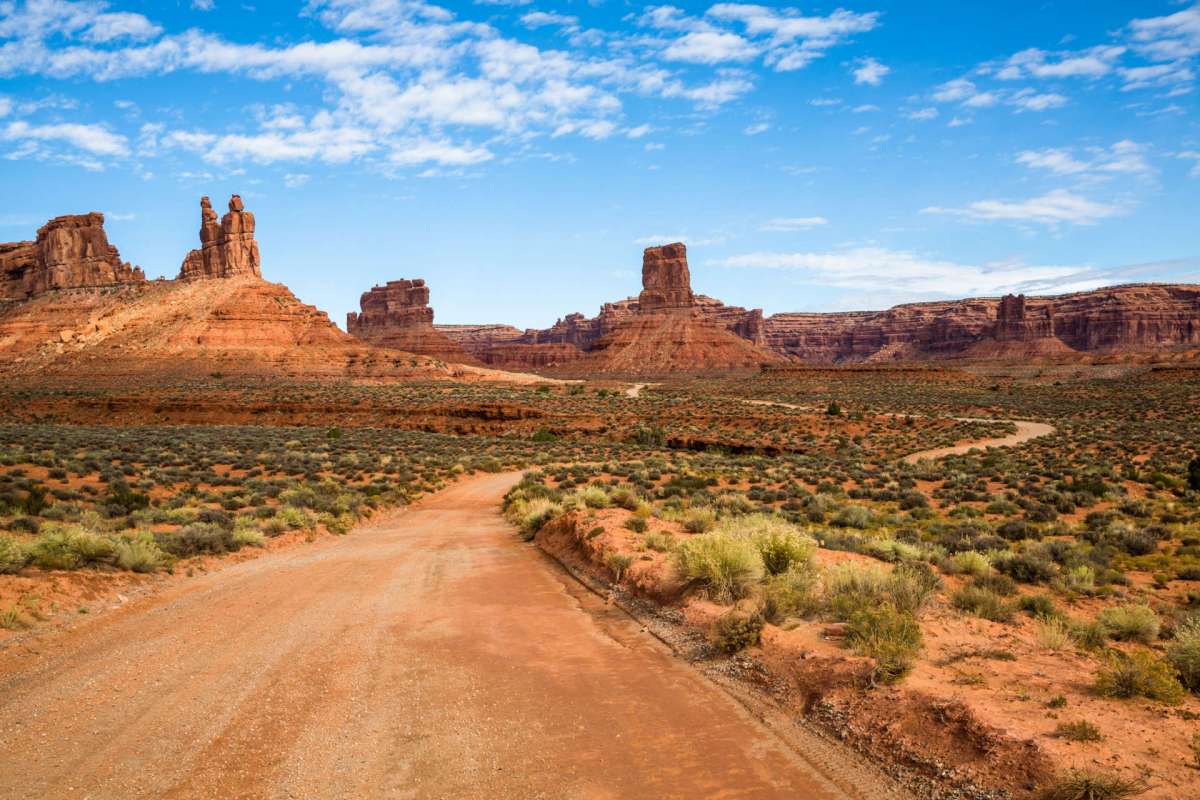
According to Grist, House Democrats are scrutinizing Energy Fuels after two senior company officials purchased stock before President Donald Trump reduced Bears Ears National Monument in Utah.
The timing is prompting fresh questions about a mining company that has already drawn criticism over how its operations could affect Indigenous communities, water quality, and public lands.
Here's what to know
The inquiry was launched by Jared Huffman of California, the top Democrat on the House Natural Resources Committee, and Maxine Dexter of Oregon, the subcommittee's top Democrat, after stock buys on July 7 and July 8 by CEO Ross Bhappu and board chair Bruce Hansen.
Democrats on the committee said Bhappu bought 74,000 shares on July 7, marking the biggest insider stock purchase in Energy Fuels history and lifting his ownership stake to 41%. Hansen purchased another 4,000 shares on July 8.
Trump then removed 1.24 million acres from Bears Ears National Monument, putting the area back into play for mining.
In their letter to Bhappu, lawmakers wrote: "We understand that monument boundaries were redrawn in a way that could benefit Energy Fuels." Energy Fuels' White Mesa Mill, the only remaining conventional uranium processing site in the U.S., sits less than a mile from the monument's former boundary.
TCD Picks » Quince Spotlight
💡These best-sellers from Quince deliver affordable, sustainable luxury for all




More background
Bears Ears is a sacred cultural landscape for a coalition of five tribal nations, and its sandstone deposits contain uranium and vanadium, minerals with clear commercial value.
The dispute also stretches back years. Documents show Energy Fuels urged the first Trump administration in 2017 to reduce Bears Ears in a way the company could profit from. President Barack Obama originally established the monument in December 2016, and President Joe Biden restored its boundaries in October 2021.
Energy Fuels has also stood to benefit from a broader federal push to expand domestic mineral production. On June 18, the Department of Defense gave the company a $725 million loan for rare earth development, and a July SEC investor presentation listed "strong government support" as a competitive advantage.
Tribal nations and environmental advocates have accused the company of moving radioactive material through tribal lands and storing material that could endanger water quality and public health in an already water-strapped region.
What's being done?
House Democrats are seeking records that could help determine whether any improper coordination took place, including communications involving Energy Fuels executives and federal officials, along with the company's lobbying contracts.
Energy Fuels said it knows about the letter and denies wrongdoing. In a statement, a company spokesperson said, "The Company is unaware of any evidence supporting claims of wrongdoing in the referenced letter and strongly rejects any suggestion that the Company or its executives engaged in any improper conduct."
The spokesperson also said the mill "has never been located in the Bears Ears National Monument."
Tribal leaders have continued to warn about what expanded mining access could mean for nearby communities, particularly when it comes to pollution, waste storage, and water safety.
After the monument cuts, the Bears Ears Commission said, "The decision weakens protections for a living cultural landscape and sacred ancestral homeland that has been cared for by Indigenous peoples since time immemorial."

Get TCD's free newsletters for easy tips, smart advice, and a chance to earn $5,000 toward home upgrades. To see more stories like this one, change your Google preferences here.







