


A Reddit post showing a screen inside an elevator struck a nerve with users who said advertising is creeping into yet another captive moment of daily life — and making some consumers less likely to spend money with the featured brands.
Here's what to know
On Reddit, the original poster captured the frustration in one line: "I see you're spending 10 seconds in an elevator. Just enough time to show you some advertising."
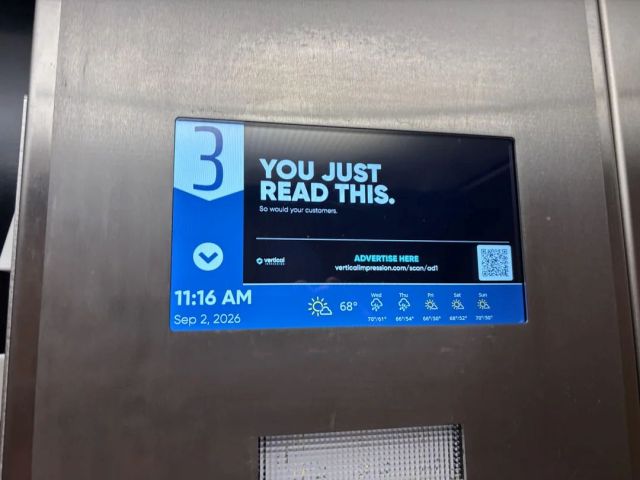
Many of the replies focused on the sense of having no choice but to look. As one commenter said, "Just seeing this fills me with rage. They're finding every possible place we have to escape the endless advertising and forcing it on us."
Several users said the ads do not just annoy them; they actively damage the advertiser's image.
"Intrusive ads in places like this piss me off so much that it is a guarantee I will never use the business advertised because my first impression of the business is a severely negative one," another commenter wrote.
However, a third person said, "I don't mind it. It's how I hear about new movies and things."
TCD Picks » Quince Spotlight
💡These best-sellers from Quince deliver affordable, sustainable luxury for all




But most reactions framed the screen as another example of public space being turned into ad inventory.
More background
Ads are appearing on gas pumps, self-checkout screens, streaming platforms, and in other moments that were once relatively quiet.
That kind of saturation can carry real consequences for consumers. When marketing follows people everywhere, it becomes harder to avoid impulse spending and easier to feel mentally drained by constant prompts to buy something. Protecting attention can also help protect a budget, especially for people trying to be more deliberate with their purchases.
If an ad feels unavoidable, consumers may remember the irritation more than the product.
What can be done?
People can limit the financial effects of constant advertising by sticking to shopping lists, muting or skipping ads when possible, and building in a short pause before making purchases prompted in high-pressure settings. Small habits like these can help reduce impulse buys and keep more money in pockets.
Property managers and advertisers may want to consider whether squeezing revenue from every available surface is worth alienating visitors, tenants, and customers. Short-term ad income can come with reputational costs if people feel trapped into watching.
Where can I learn more?
The backlash against the elevator ad screens echoes a wider frustration with how brands show up in everyday life.
The stories below look at other moments when marketing has shaped spending habits, triggered pushback, or raised questions about how much influence companies should have over people's attention.
• Reddit users slammed a disposable video card as wasteful marketing that turned promotion into trash.
• In fashion, social platforms have boosted pressure to buy and deepened concerns about waste.
When brands keep inserting themselves into more corners of daily life, plenty of people respond by tuning out — or deciding to spend their money elsewhere.

Get TCD's free newsletters for easy tips, smart advice, and a chance to earn $5,000 toward home upgrades. To see more stories like this one, change your Google preferences here.






